Intermediate Network Security Architectures
Layered Defense Strategies
Beyond the Perimeter
A firewall at the edge of your network is like a strong front door. It's essential, but what happens if someone gets past it? Relying on a single line of defense is a fragile strategy. This is where the concept of Defense in Depth comes in. It's a military-derived strategy that applies layers of security controls, assuming that any single defense might fail.
The idea is that if one defense layer is breached, other layers will prevent the attacker from advancing through the systems or reaching valuable assets.
Instead of one tall, thin wall, you build a series of shorter, overlapping walls. If an attacker breaches the first, they are immediately confronted by a second, and a third. Each layer is designed to slow them down, alert you to their presence, and reduce the total impact of a breach. This approach requires a fundamental shift in mindset from just keeping attackers out to ensuring that when they do get in, they can't get far.
Architecting with Trust Zones
To implement Defense in Depth, we start by segmenting the network into zones based on trust levels and data sensitivity. Not all data is equally valuable, so not all systems need the same level of protection. The goal is to create isolated environments for your most critical assets. Think of it like a bank vault. The public can enter the lobby (a low-trust zone), but only authorized employees can access the teller area (a medium-trust zone), and only a select few can enter the vault itself (a high-trust, or 'secure,' zone).
This is achieved through a multi-tiered network architecture. We use internal firewalls, VLANs, and access control lists to enforce strict boundaries between these zones. Traffic moving from a lower-trust zone to a higher-trust one is inspected with much greater scrutiny than traffic moving in the other direction.
We strategically place security appliances at the boundaries of these zones. For instance, an Intrusion Prevention System (IPS) might be placed between the corporate network and the secure zone housing financial data. A Web Application Firewall (WAF) would protect public-facing web servers in a semi-trusted zone called a , separate from the internal network. This ensures that even if a web server is compromised, the attacker doesn't have a direct path to internal systems.
Assuming the Breach
The most advanced form of layered defense is adopting an 'Assume Breach' mindset. This philosophy starts with the sobering assumption that your perimeter defenses have already failed or will fail. An attacker is already inside your network. The question is no longer if you will be breached, but when, and how quickly you can detect and contain the threat.
This changes everything. Security efforts shift from prevention alone to a balance of prevention, detection, and response. The focus becomes limiting an attacker's ability to move laterally across the network, escalate their privileges, and access high-value targets. Techniques like become critical.
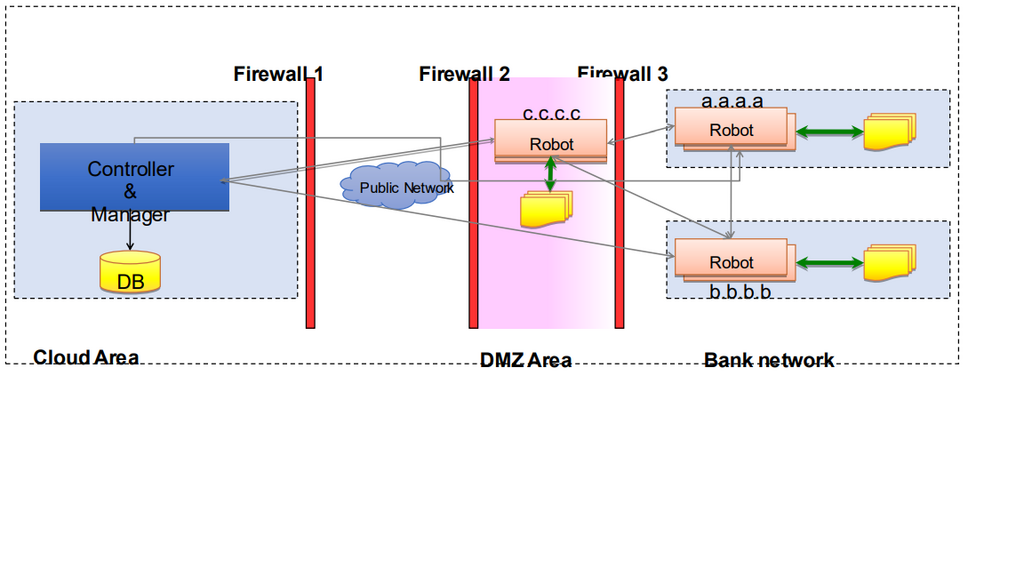
An 'Assume Breach' posture also highlights the trade-off between strict security and operational redundancy. For example, having a hot-failover database for redundancy is great for uptime, but it also creates a second high-value target that must be secured. If the primary database is compromised, are the credentials for the backup also exposed? Architecting for this scenario might involve using completely separate authentication systems for primary and backup systems, adding complexity but greatly enhancing security.
Under an 'Assume Breach' model, your network monitoring is no longer just looking for signs of intrusion at the edge. It's actively hunting for anomalous behavior within the network itself.
This proactive approach prepares you to handle security incidents effectively. Now let's test your understanding of these layered strategies.
What is the core principle of the "Defense in Depth" strategy?
In a Defense in Depth model, what is the primary purpose of segmenting a network into zones (e.g., DMZ, internal, secure)?