Intermediate Motion Design Techniques
Professional Animation Principles
Beyond Basic Movement
You've got the hang of keyframes and easing. You can move an object from point A to point B smoothly. But professional motion design isn't just about moving things; it's about making them feel alive. It’s about giving them weight, personality, and intention. This is where we move beyond simple transitions and into characterful movement.
The key is to master a few core principles that add nuance and a cinematic feel to your work. These techniques help guide the viewer's eye, tell a subtle story, and make your animations more polished and believable, whether you're animating a character or a user interface.
Sophisticated Squash and Stretch
Squash and stretch is more than just making a bouncing ball flatten. In professional motion graphics, it's a tool to communicate material properties and impact, even with abstract or non-organic shapes. Imagine a simple button on a screen. When a user clicks it, it might quickly squash down and then stretch back out, giving a satisfying, tactile sense of response. This brief deformation implies flexibility and energy.
The most important rule is to maintain an object's volume. If a shape gets shorter (squashes), it must get wider to compensate. If it gets taller (stretches), it must get thinner. This preserves the illusion that the object has consistent mass.
This principle isn't just for fast movements. A slow, heavy object might show a very slight squash as it comes to a rest, suggesting its weight. A light, airy UI element might stretch slightly as it floats into place. The amount of deformation tells a story about the object's physics and personality.
Fluidity Through Overlap
In the real world, things don't move or stop all at once. When a car brakes suddenly, your body lurches forward. This is the essence of . Follow-through is the idea that parts of an object continue moving after the main body has stopped. Overlapping action means different parts of the same object move at different rates.
Think of a character with a cape. The character stops running, but the cape flies past them for a moment before settling. In motion graphics, you can apply this to a logo reveal. The main icon might snap into place, but a decorative swoosh connected to it continues its arc for a few extra frames before resting. This creates a beautifully layered and organic effect.
A simple way to achieve this is to offset the keyframes for different parts of your animation. Let the main element's animation finish, then have the secondary element's animation finish a few frames later. This slight delay breaks the robotic simultaneity and introduces a natural, pleasing flow.
Adding Depth and Focus
Great animation doesn't just look good; it communicates clearly. Three principles that are crucial for this are anticipation, staging, and secondary action.
Anticipation is the preparation for an action. Before you jump, you bend your knees. Before you throw a ball, you wind your arm back. In motion design, a shape might pull back slightly before launching across the screen. This small preparatory movement signals to the viewer that something is about to happen, making the main action easier to follow and more impactful when it occurs. It builds tension and expectation.
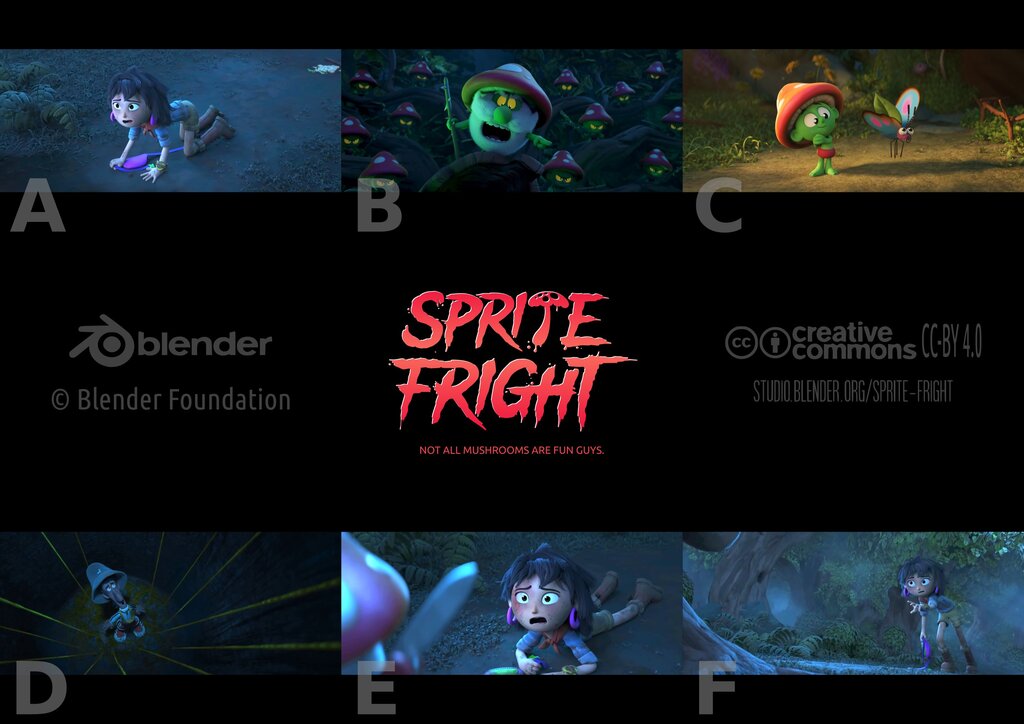
Staging is about directing the audience's attention to what is most important in the scene. It's the animation equivalent of cinematography. You can use composition, lighting, and camera movement to ensure the main action is clear and unmistakable. If three elements are animating on screen, but only one is important, use color, scale, or motion to make that one the clear focal point. Every other element should support it, not compete with it.
Secondary Action adds another layer of life to the scene. It's a subtle action that supports the main action without distracting from it. If your main action is a title sliding in from the left, a secondary action could be a gentle shimmer that runs across its surface as it settles. It enriches the main action and adds personality. The key is that if you removed the secondary action, the main point of the animation would still be understood.
Graceful Arcs
Very few things in the living world move in perfectly straight lines. From a thrown ball to the swing of an arm, movement tends to follow a curved path, or an arc. Animating along arcs makes motion feel more natural and less mechanical. A simple linear move from left to right can feel robotic. But moving that same object along a slight upward or downward curve feels more organic and graceful.
This is the essence of polishing animation arcs: noticing the small things that don’t quite sit right, identifying whether it’s a path, a spacing issue, or a lack of overlap, and making small, thoughtful adjustments.
When you animate an object, think about its trajectory. Instead of just setting a start and end keyframe, consider the path it takes between them. Most animation software allows you to edit the motion path directly, turning a rigid straight line into a smooth, elegant curve. This single adjustment can instantly elevate the quality of your motion, making it feel more deliberate and polished.
Applying these principles thoughtfully is what separates basic motion from professional animation. It's about making conscious choices to infuse your work with character, realism, and clarity. By moving beyond default settings and truly sculpting the motion of every element, you can create work that is not only visually appealing but also communicates with purpose.
When a UI button squashes slightly upon being clicked, what animation principle is primarily being applied to give a sense of tactile feedback?
A logo icon snaps into place, and a decorative swoosh attached to it continues its motion for a few extra frames before settling. This is an example of: