Intermediate Makeup Artistry Techniques
Advanced Skin Chemistry
The Chemistry of a Flawless Base
The secret to makeup that lasts all day isn't just about skill. It's about chemistry. Professional makeup artists understand that what happens before you even pick up a foundation bottle is what truly determines the final result. The key is knowing how your skincare and makeup products will interact on a molecular level.
Think of it like oil and water. They don't mix. The same principle applies to your makeup. Most foundations and primers fall into two main families: silicone-based or water-based. Mixing them is the fastest way to get pilling, which is when products clump into little balls, or separation, where makeup looks patchy and breaks apart.
The rule is simple: water-based products work with water-based products, and silicone-based products work with silicone-based products.
Decoding the Ingredient List
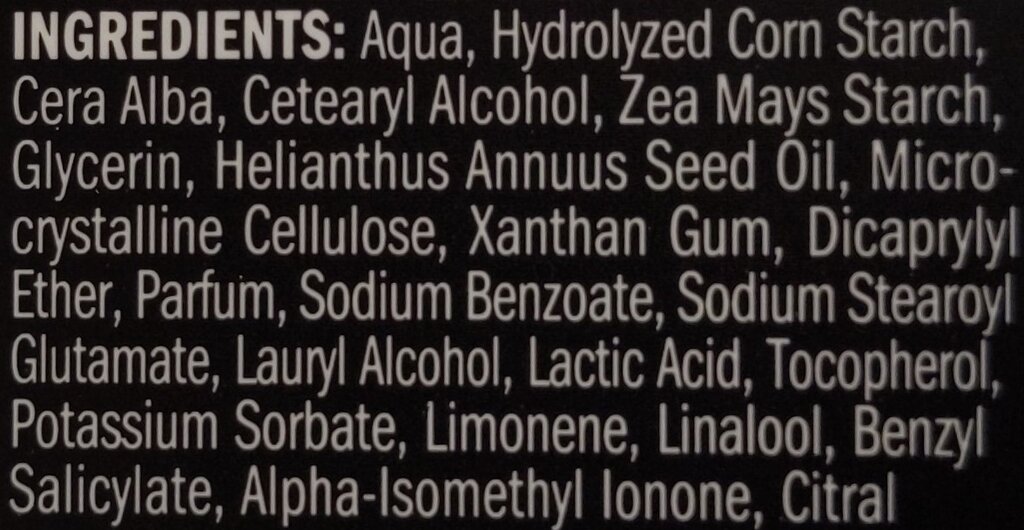
So how do you know what you're working with? You have to read the ingredient list, which follows a system called INCI (International Nomenclature of Cosmetic Ingredients). Ingredients are listed in descending order of concentration. If the first ingredient is "Aqua" or "Water," it's a water-based product. If you see words ending in "-cone" or "-siloxane" high up on the list (usually second or third), you're looking at a silicone-based formula.
| Category | How to Identify | Common Ingredients |
|---|---|---|
| Silicone-Based | Look for ingredients ending in -cone, -conol, or -siloxane near the top of the list. | Dimethicone, Cyclopentasiloxane, Phenyl Trimethicone |
| Water-Based | "Aqua" or "Water" is the first ingredient, and no silicones are in the top few ingredients. | Aqua, Glycerin, Butylene Glycol |
| Oil-Based | An oil is listed as the first or second ingredient. Often marketed for dry skin. | Prunus Amygdalus Dulcis (Sweet Almond) Oil, Squalane, Helianthus Annuus (Sunflower) Seed Oil |
Oil-based foundations are less common but follow the same logic. They work best with oil-based primers or rich, emollient moisturizers. Trying to layer an oil-based foundation over a lightweight, water-based gel moisturizer can lead to a slip-and-slide effect where the makeup never really sets.
Your Skin's pH and Makeup Stability
Your skin is naturally protected by a thin, protective film called the acid mantles. This barrier has a slightly acidic pH, typically between 4.5 and 5.5. This acidity is crucial for keeping the skin's microbiome balanced and fending off harmful bacteria. When you use products that are too alkaline, like some harsh cleansers, you disrupt this mantle.
A compromised acid mantle can't regulate moisture properly. For some, this leads to dryness and flaking. For others, the skin overcompensates by producing excess oil. Either way, the canvas for your makeup becomes unstable. Foundation won't adhere properly to dry patches, and it will slide right off an oily surface. Using pH-balanced skincare helps maintain this delicate environment, ensuring your makeup applies smoothly and wears longer.
Building the Perfect Canvas
Skin prep isn't just about moisturizing; it's about creating a specific texture for makeup to adhere to. This is done by using products with the right balance of humectants, emollients, and occlusives.
Humectants (like glycerin and hyaluronic acid) pull moisture from the air into the skin. Emollients (like squalane and ceramides) smooth the surface by filling in gaps between skin cells. Occlusives (like petrolatum and dimethicone) form a physical barrier to prevent water from evaporating.
The key is to tailor your prep to the skin type. Oily skin often benefits most from lightweight humectants that provide hydration without adding oil. Dry skin, on the other hand, needs all three: humectants to add water, emollients to smooth texture, and an occlusive layer to lock it all in. For combination skin, you might apply an emollient cream to dry cheeks and a light humectant serum to an oily T-zone. This targeted approach creates an even, stable canvas that prevents makeup from clinging to dry patches or sliding off oily areas.
By understanding these chemical principles, you move from simply applying makeup to truly formulating a look on the skin. This knowledge empowers you to troubleshoot issues like pilling or rapid fading and to create a durable, flawless finish every time.