Intermediate Hindu Mythology and Symbolism
Vedic to Puranic Evolution
From Rituals to Stories
The early Vedic period revolved around yajna, or ritual sacrifice. Priests would chant complex hymns to invoke deities who were largely forces of nature. Agni was the fire that carried offerings to the heavens, Indra was the mighty god of thunder and rain, and Surya was the sun. The relationship was transactional: perform the ritual correctly, and the gods would grant your boons.
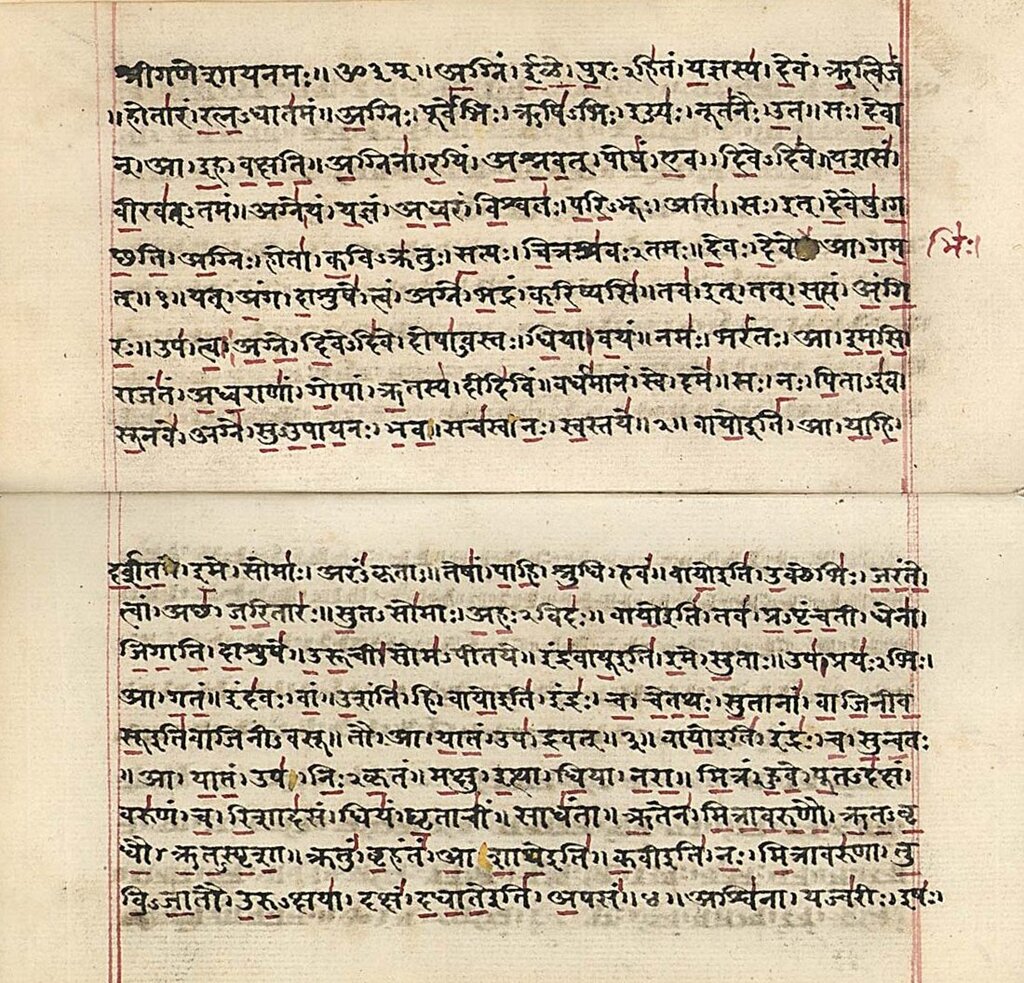
Over centuries, a significant shift occurred. The focus moved from external, precise rituals to internal, emotional devotion, or bhakti. This new path was championed by a different kind of literature: the Puranas. Instead of abstract hymns, the Puranas offered vivid narratives, epic tales of gods, goddesses, heroes, and demons. Religion became less about getting the ceremony right and more about hearing a story and feeling a connection.
The Rise of the Trimurti
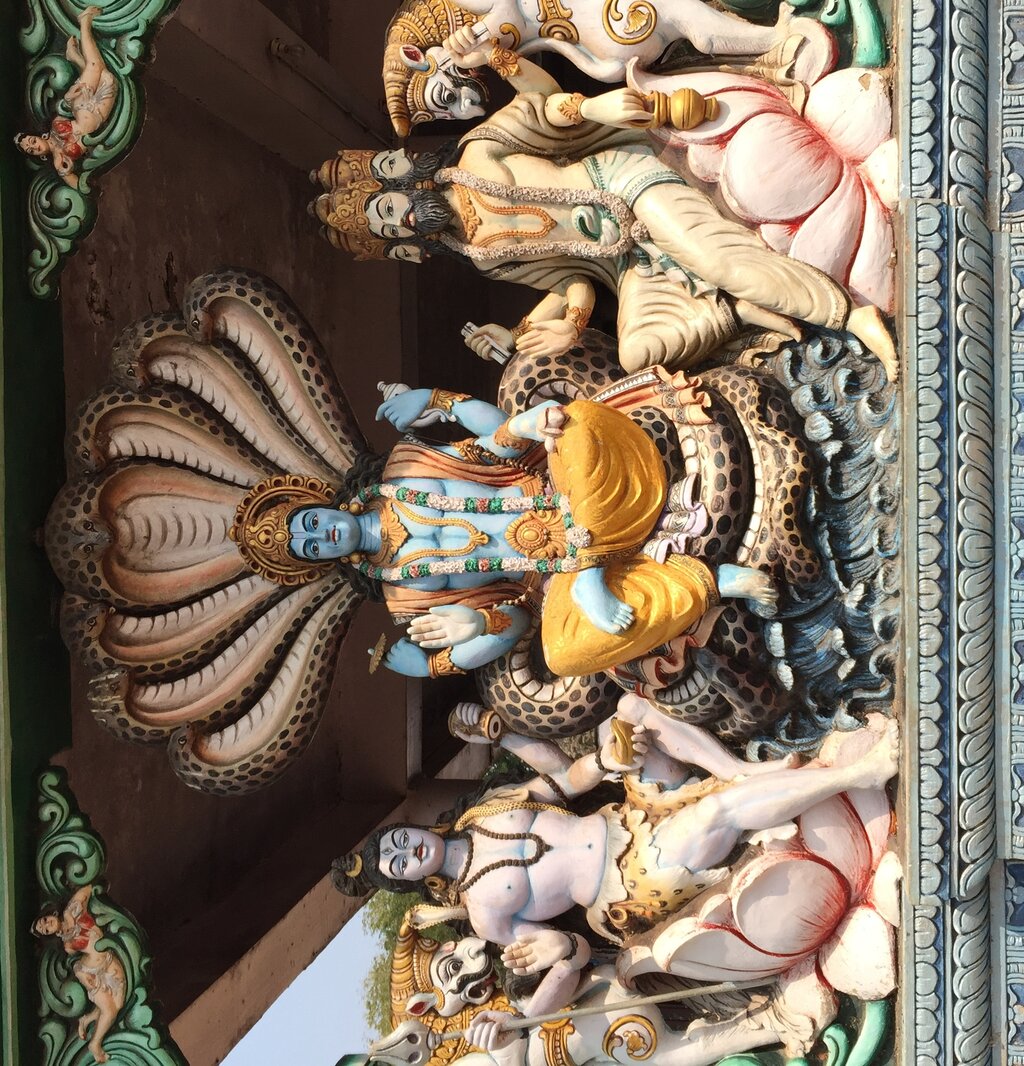
As stories replaced rituals, the divine cast changed. The elemental gods of the Vedas, once supreme, began to fade into the background. A new trio of cosmic deities emerged, forming the Trimurti. This consisted of Brahma, the creator; Vishnu, the preserver; and Shiva, the destroyer. These gods weren't just abstract powers. They had distinct personalities, complex family lives, and engaged in epic struggles. This shift towards giving gods human-like qualities and forms is known as and it made divinity more relatable.
A perfect example of this power shift is the story of Krishna and the Govardhan Hill. When villagers prepared a large offering for Indra, the traditional king of gods, Krishna persuaded them to worship the hill and its natural bounty instead. Enraged, Indra unleashed a torrential downpour to punish them. Krishna, an avatar of Vishnu, simply lifted the entire Govardhan Hill on his little finger, sheltering the villagers and their cattle. Humbled, Indra conceded defeat. The story vividly illustrates the decline of the old Vedic order and the rise of the new Puranic deities.
The Age of the Puranas
The Puranas are a vast collection of texts that codified this new form of Hinduism. While there are many such works, eighteen are traditionally recognised as the or Great Puranas. These texts served as a bridge, translating the profound, often abstract philosophical concepts of the Vedas and Upanishads into accessible stories and parables for the general populace. They contain everything from the creation of the universe to the genealogies of kings and sages.
A Purana is traditionally expected to cover five topics, known as the 'Pancha-lakshana' or five distinguishing marks.
| Characteristic | Sanskrit Term | Meaning |
|---|---|---|
| The Creation | Sarga | The original creation of the universe. |
| The Re-creation | Pratisarga | The periodic cycles of destruction and re-creation. |
| Genealogy of Gods | Vamsha | The lineages of gods and great sages. |
| Cosmic Cycles | Manvantara | The reigns of the various Manus, progenitors of humanity. |
| Dynastic Histories | Vamshanucharitam | The histories of the solar and lunar royal dynasties. |
This framework helped structure a new religious worldview. The earlier Vedic path, known as Karma-Kanda (the path of action/ritual), was demanding and required specialised knowledge. The Puranic tradition popularised Bhakti-Kanda, the path of devotion. It taught that salvation was not just for priests who mastered complex rites, but for anyone who approached the divine with a loving heart. This transition democratised Hinduism, making its profound truths available to all through the power of story.
What was the primary focus of religious practice during the early Vedic period?
The story of Krishna lifting the Govardhan Hill primarily illustrates which major shift in Hinduism?