Intermediate Garment Construction and Tailoring
Advanced Seam Finishes
Beyond the Zig-Zag
A well-sewn seam is strong, but a well-finished seam is a sign of true craftsmanship. While an overlocker or a zig-zag stitch can prevent fraying, they aren't always the most elegant solution. For high-quality garments, the inside should look almost as good as the outside. This is where advanced seam finishes come in. They encase raw edges completely, providing a clean, durable, and professional result tailored to the specific fabric and garment type.
When you want clean interior seams without compromising seam durability, two edge finishing techniques stand out.
Choosing the right finish is a balance of aesthetics, durability, and fabric weight. Let's explore three key techniques that will elevate your sewing projects from homemade to high-end.
The French Seam
The is the go-to for lightweight or sheer fabrics like chiffon, silk, or organza. It creates a very narrow, self-enclosed seam that looks neat and delicate from both sides. Because the raw edge is completely hidden within the seam itself, it's perfect for unlined garments where the interior might be visible.
The construction is a clever two-step process. First, you sew the seam with the wrong sides of the fabric together. This feels counterintuitive, but it's the key to the technique. After this first pass, you trim the seam allowance, press it, and then fold the fabric so the right sides are together, enclosing the raw edge from the first seam. A second line of stitching completes the seam, trapping the raw edges neatly inside.
While beautiful, this seam adds a bit of bulk, so it's not ideal for heavier fabrics. It also requires precision, especially on curves, where you need to clip the seam allowance carefully to allow the seam to lie flat without puckering. At intersections, such as where a sleeve joins a side seam, it's best to press the seam allowances in opposite directions to minimise thickness.
The Flat-Felled Seam
If the French seam is about elegance, the flat-felled seam is all about strength. This is the durable seam you'll find on the legs of your jeans, workwear, and men's shirts. It's incredibly strong because the seam is stitched down twice, and all raw edges are enclosed within the seam itself, protecting them from wear and tear. The result is a clean, parallel line of topstitching visible on the outside of the garment.
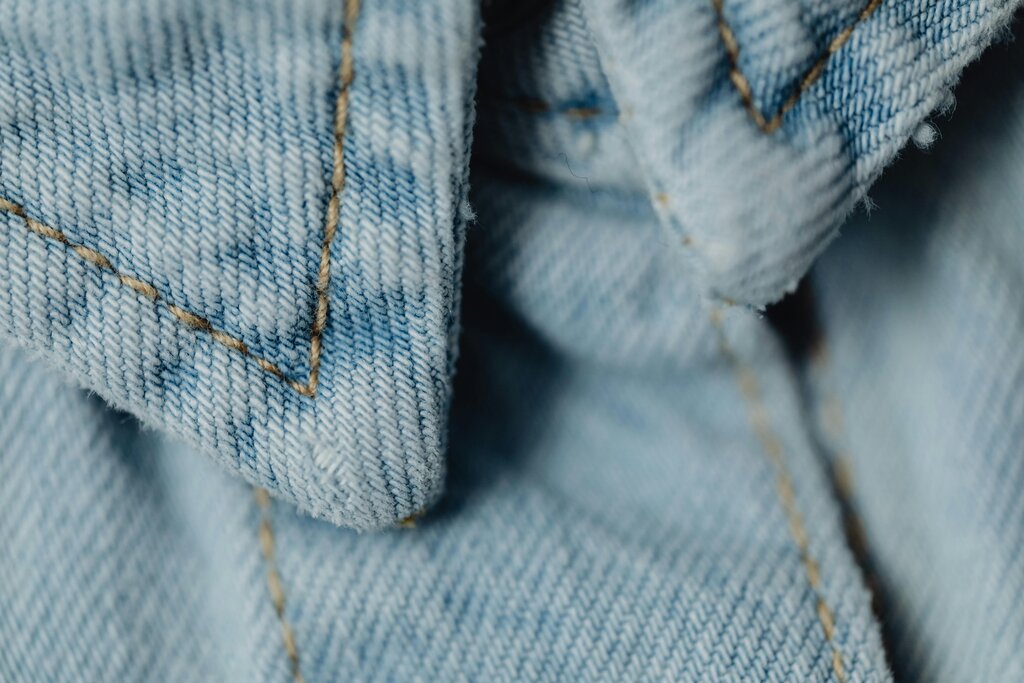
To create a flat-felled seam, you first sew a standard seam with wrong sides together. Then, you trim one side of the seam allowance short. The longer allowance is folded over the trimmed edge and pressed flat. Finally, you stitch the folded edge down, creating that signature double line of stitching. This can be done on the inside or outside of the garment, depending on the desired look.
This finish is best for stable, medium-to-heavyweight woven fabrics like denim, canvas, and linen. It's fantastic for straight or gently curved seams but can be very challenging to execute on tight curves or in tight spots like armholes. Because it's a flatter finish than the French seam, it's great for areas that need to be durable without being bulky, such as the yoke of a shirt or the side seams of trousers.
The Hong Kong Finish
The Hong Kong finish offers a high-end, bespoke touch, particularly for unlined jackets and coats. Instead of enclosing the entire seam, this technique binds each raw edge of the seam allowance separately with a strip of lightweight fabric, usually cut on the bias. This method keeps the seam allowances separate, allowing them to be pressed open, which reduces bulk significantly. It's a mark of quality that adds a beautiful pop of contrast colour or pattern to the inside of a garment.
To apply it, you first sew your main seam and press the allowances open. Then you take a strip of bias tape, place it right sides together with the raw edge of one seam allowance, and stitch it close to the edge. The bias tape is then wrapped around the raw edge to the underside and stitched in place, usually by 'stitching in the ditch' of the seam you just created. This conceals the second line of stitching from the right side. Repeat for the other seam allowance.
This technique is ideal for structured, heavyweight fabrics where other enclosed seams would be too bulky, such as wool, bouclé, or tweed. It beautifully finishes curved edges and adds almost no thickness to the seam, making it perfect for tailoring. While it doesn't add the same structural strength as a flat-felled seam, its purpose is purely aesthetic and preventative, stopping fraying while looking immaculate.
| Seam Finish | Best For | Key Advantage | Main Drawback |
|---|---|---|---|
| French Seam | Lightweight, sheer fabrics | Elegant, clean on both sides | Can be bulky, tricky on curves |
| Flat-Felled Seam | Medium to heavyweight fabrics | Maximum durability and strength | Difficult on tight curves, adds stiffness |
| Hong Kong Finish | Heavyweight, structured fabrics | Reduces bulk, high-end look | Time-consuming, adds no strength |
Choosing the right seam finish elevates your work from functional to exceptional. By matching the technique to the fabric and the garment's end use, you ensure a professional result that is not only beautiful on the outside but also meticulously crafted on the inside.
Ready to test your knowledge?
For which type of garment would a flat-felled seam be the most suitable choice?
The first step in creating a French seam involves sewing the fabric with the right sides together.