Intermediate French Fluency and Practical Application
Narrating the Past
Telling Stories in the Past
When you tell a story, you're not just listing facts. You're painting a picture. In French, narrating the past requires two main tools: the passé composé for the main events and the imparfait for the background details. Mastering both is the key to moving from simple statements to rich, compelling stories.
The Action: Passé Composé
Think of the passé composé as the main action of your story. It's for specific, completed events—things that happened and are now over. It answers the question, "What happened?"
Hier, j'ai acheté un livre. (Yesterday, I bought a book.) La semaine dernière, nous sommes allés au cinéma. (Last week, we went to the movies.)
The passé composé is a compound tense, meaning it has two parts: an auxiliary verb (avoir or être) conjugated in the present tense, and the past participle of the main verb.
Most verbs use avoir. However, a specific set of verbs, mostly dealing with motion or a change of state, use être. A common mnemonic to remember these verbs is DR MRS VANDERTRAMP When you use être, the past participle must agree in gender and number with the subject. For example, Elle est allée (She went), but Ils sont allés (They went).
The Scenery: Imparfait
The sets the scene. It describes background conditions, ongoing situations, and habitual actions in the past. It answers questions like, "What was going on?" or "What did things used to be like?"
Quand j'étais jeune, je jouais au football tous les jours. (When I was young, I used to play soccer every day.) Il faisait beau et les oiseaux chantaient. (The weather was nice and the birds were singing.)
The imparfait is a simple tense with a very regular formation. You take the nous form of the present tense, drop the -ons ending, and add the imparfait endings: -ais, -ais, -ait, -ions, -iez, -aient.
Weaving the Narrative
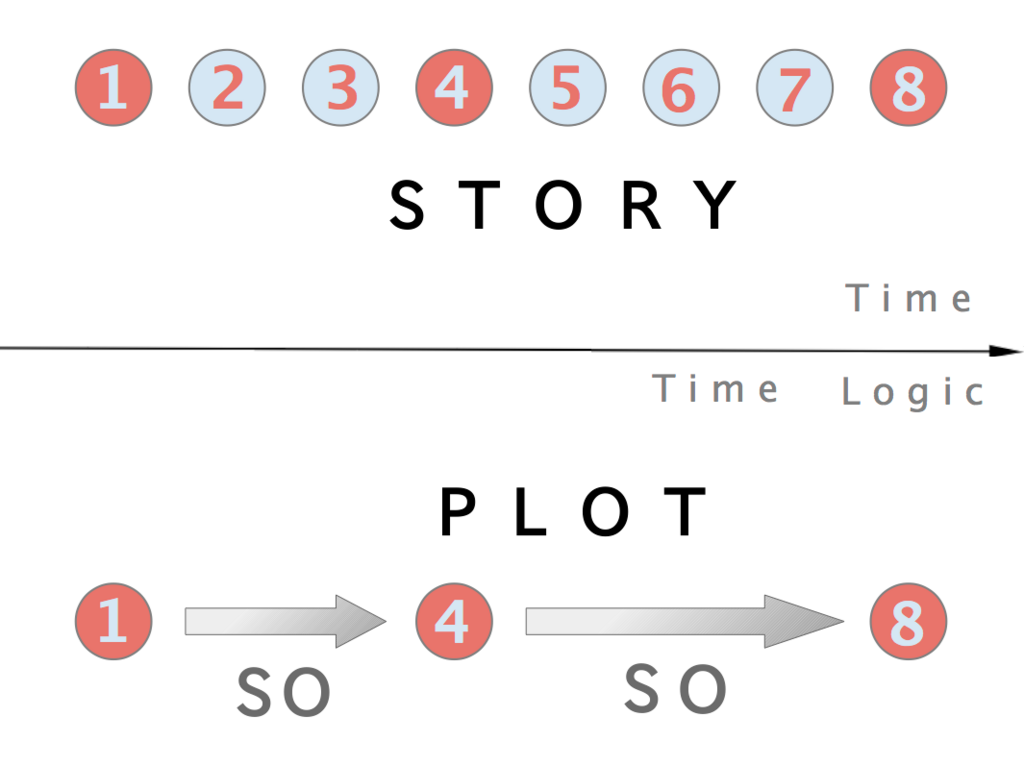
The real art is using both tenses together. The imparfait sets the stage, and the passé composé introduces the key events that move the story forward.
Use passé composé for actions that move the story forward, and imparfait for descriptions or actions that set the scene.
Look at this sentence: Il pleuvait (imparfait) quand je suis sorti (passé composé).
Here, "It was raining" sets the background scene. "When I went out" is the specific, completed action that happened within that scene. The imparfait is the long, continuous backdrop, and the passé composé is the sharp, sudden event.
| Tense | Use | Trigger Words |
|---|---|---|
| Passé Composé | A specific, completed action. The main event. | soudain (suddenly), tout d'un coup (all of a sudden), un jour (one day), hier (yesterday) |
| Imparfait | Description, background, habitual action, ongoing past events. | d'habitude (usually), souvent (often), tous les jours (every day), toujours (always), pendant que (while) |
Ready to practice telling your own stories? This quiz will test your ability to choose the right tense for the right situation.
Which tense is used to describe background conditions, ongoing situations, or habitual actions in the past?
Choose the correct verb conjugation to complete the sentence: Hier, je _________ au cinéma.
By learning how to weave these tenses together, you can add depth and color to your stories, turning simple statements into vivid narratives.