Intermediate Film Editing Mastery
Narrative Pacing Psychology
The Heartbeat of a Scene
Editing is more than assembling clips in order. It’s about manipulating time to guide an audience’s feelings. Every cut you make is a choice that can either heighten a moment or flatten it. The key is understanding the two rhythms you control: the internal rhythm of a shot and the external rhythm of the sequence.
The is the pacing within a single, uncut shot. It’s the tempo of an actor’s performance, the speed of a car, or the slow drift of a camera. Your job is to identify the natural pulse of the footage. A performer, for instance, has moments of action and moments of stillness. These pauses are the “breathing points” of a performance, the natural end of one beat and the start of another. Recognising these is the first step to knowing when to cut.
The external rhythm is the one you create. It’s the pace of the cuts themselves. This is where you become a composer, arranging individual shots into a sequence with a distinct tempo. Quick, short cuts can make a viewer's heart race, creating a sense of urgency, excitement, or panic. Conversely, letting a shot linger gives the audience time to think and feel, fostering introspection, sadness, or a growing sense of dread.
Pacing controls the rhythm of your story—the rise and fall of tension, the push and pull of suspense, the breathing room between dramatic beats.
Crafting Tension with Time
Controlling tension is about establishing and then breaking rhythmic patterns. Imagine a horror scene. You might start with slow, deliberate cuts between the character and what they’re looking at. The shots are long, building suspense. Then, as the threat gets closer, you shorten the duration of each shot. The cuts get faster and faster, mirroring a quickening pulse, until the final reveal. This acceleration is a powerful tool for putting the audience on the edge of their seat.
Releasing that tension is just as important. After a frantic, rapidly cut sequence, a long, quiet shot can feel like a deep exhalation for the viewer. It provides a moment of relief or reflection, allowing the impact of the preceding events to sink in. Without these moments of release, constant high-energy cutting can become exhausting and lose its effectiveness. It's the contrast that gives the pacing its power.
Pacing in Dialogue
Dialogue scenes are not just about showing who is speaking. The rhythm of the cuts can reveal the subtext of the conversation. Do you cut away from the speaker to show the listener's reaction? Holding on a reaction shot while another character speaks can tell the audience that the listener’s internal state is more important than the words being said. This is a core principle of —creating meaning from the juxtaposition of shots.
The timing of a cut in a dialogue scene is critical. Cutting at the precise moment a character finishes a thought respects the performance's internal rhythm. However, cutting before they finish can create a sense of interruption or urgency. Cutting a little after they finish, letting the camera linger on them for a beat of silence, can create a feeling of awkwardness or contemplation. Each choice subtly shapes the audience's interpretation of the characters and their relationship.
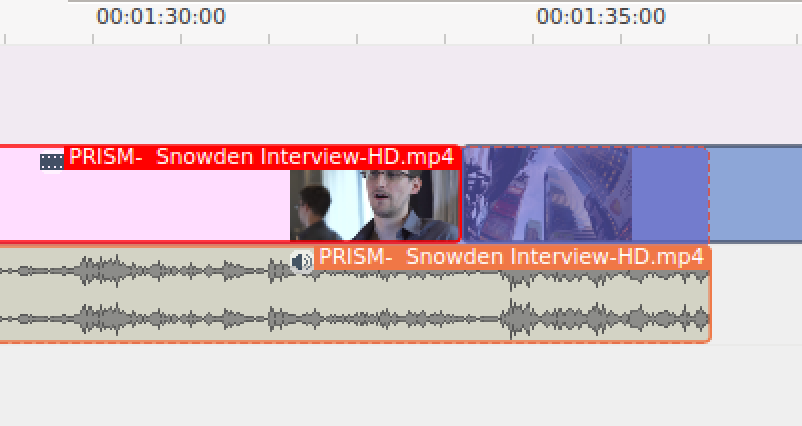
These aren't hard rules, but tools. The goal is to develop an instinct for how time feels on screen. By mastering the interplay between a shot's internal rhythm and the sequence's external rhythm, you move beyond simply assembling a story and begin to truly tell it.
What is the primary difference between a shot's 'internal rhythm' and a sequence's 'external rhythm' in film editing?
To create a feeling of panic, urgency, or intense excitement in a scene, an editor would most likely use: