Intermediate English Booster
Vocabulary Expansion
Read Actively, Not Passively
The single best way to find new words is to read. But how you read matters. Passive reading is when your eyes scan the words, but your mind is elsewhere. Active reading is like being a detective. You're engaged, searching for clues, and paying close attention.
When you encounter a word you don't know, don't just skip it. Stop and look it up. This small habit is a game-changer. It might feel slow at first, but it turns every page you read into a vocabulary lesson.
Try this: before you grab a dictionary, guess the word's meaning from the context of the sentence. This forces your brain to work a little harder and makes the new word more memorable once you learn its actual definition.
Keep a vocabulary journal. A simple notebook or a note on your phone works perfectly. For each new word, write it down, add its definition, and include the sentence where you found it. The context is key.
Make Stronger Connections
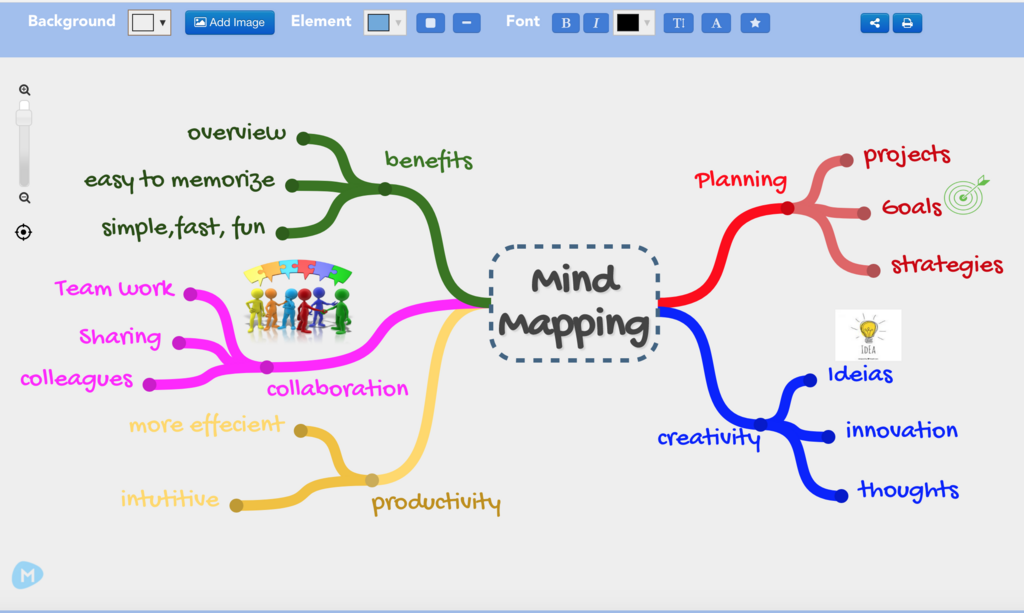
Finding new words is the first step. The next is making them stick. Our brains are better at remembering things that are connected to what we already know. Isolated facts are easy to forget, but a web of knowledge is strong.
This is where word association comes in. Instead of just memorizing a definition, create a link to something already in your mind. One powerful technique is using mnemonics, which are memory aids. To remember the word gregarious (meaning sociable), you could imagine your friend Greg, who is hilarious and loves parties. Greg is hilarious, Greg is gregarious.
Another method is to explore word families. When you learn a new word, look for its relatives. If you learn the word spectator (someone who watches something), you can also learn inspect (to look at something closely) and perspective (a way of looking at things). They all share the Latin root spec, which means "to look." Learning words in groups like this builds a rich network of understanding.
Play with Words
Learning vocabulary doesn't have to feel like a chore. Word games are an excellent way to expand your vocabulary while having fun. They challenge you to think creatively and recall words you might not use every day.
Classic games like Scrabble or crossword puzzles are fantastic for this. They force you to dig deep into your memory for words that fit specific letters or clues. Many apps and websites offer daily crosswords or other word puzzles, making it easy to build a consistent habit.
Engage with New Words Regularly: Make a habit of learning and using one new word daily.
Even simple word searches can help reinforce spelling and recognition. The goal is to make interacting with words a regular part of your routine. The more you treat language as a playground, the more your vocabulary will grow naturally.
Use It or Lose It
There’s a big difference between recognizing a word and being able to use it yourself. This is the difference between your passive vocabulary (words you understand) and your active vocabulary (words you use).
The best way to move a word from passive to active is to use it. Make it a goal to use a new word you've learned in conversation or writing within 24 hours. When you start your day, pick one word from your vocabulary journal. Then, look for opportunities to use it.
Try to slip it into an email, a text message, or a conversation with a friend. It might feel a bit forced at first, but this active practice is what truly cements a word in your memory. The more you use a new word, the more natural it becomes.
Ready to test your knowledge? Let's see what you've learned about building your vocabulary.
What is the key difference between active and passive reading when trying to learn new words?
According to the text, what should you do immediately after encountering an unknown word but before looking it up?
Expanding your vocabulary is a journey, not a destination. By reading actively, making connections, playing games, and using new words, you create a powerful system for continuous learning.