Intermediate Cyber Security Strategies
Advanced Threat Modelling
Thinking Like the Attacker
Effective threat modelling goes beyond simply listing things that could go wrong. It's a structured process that views your systems through the eyes of an adversary. Instead of just identifying threats, we need to simulate attacks and analyse the real-world business impact. This is where a risk-centric approach comes in.
One of the most comprehensive methodologies for this is the Process for Attack Simulation and Threat Analysis, or PASTA. It's a seven-stage framework designed to align security decisions with business objectives. Unlike simpler models that might just catalogue potential weaknesses, PASTA forces you to think about how an attacker would actually achieve their goals and what the consequences would be.
When you use the threat modeling process, you create consistent, repeatable steps for thinking through what can go wrong with — the cybersecurity impact arising from malicious actors successfully attacking — a software, application, or system that you're building, designing, or deploying.
The PASTA Methodology
PASTA breaks down the threat modelling process into seven distinct stages. Each stage builds on the last, moving from high-level business goals to specific, actionable security controls.
Stage 1: Define Objectives. Before looking at technology, we must understand the business. What is the application's purpose? What are the critical business processes it supports? What are the compliance and regulatory requirements? This stage establishes the context for all subsequent security analysis.
Stage 2: Define Technical Scope. Here, we map out the entire system. What applications, servers, and network components are involved? We define the boundaries of the system to create a clear picture of the attack surface.
Stage 3: Application Decomposition. Now we break the system down into its functional parts. We identify key components, entry points, and trust boundaries. A crucial tool here is the Data Flow Diagram (DFD), which maps how data moves through the application, who can access it, and where it is stored. This helps pinpoint where an attacker might try to intercept or alter information.
Stage 4: Threat Analysis. With a clear map of the application, we can begin to identify relevant threats. This stage uses threat intelligence sources, like the MITRE ATT&CK framework, to understand the tactics, techniques, and procedures (TTPs) used by real-world adversaries. We analyse which of these threats are applicable to our system's components.
Stage 5: Vulnerability & Weakness Analysis. This is where threats meet reality. We correlate the identified threats with potential weaknesses in our system. This involves scanning for known vulnerabilities in third-party libraries, analysing code for security flaws, and identifying misconfigurations. The goal is to find the specific holes an attacker could exploit.
Stage 6: Attack Modelling. This is the simulation step. We connect vulnerabilities and weaknesses into plausible attack chains. An attack tree is a great way to visualise this. It starts with an attacker's ultimate goal (e.g., "Steal User Data") and branches out into the specific, lower-level steps they would need to take to achieve it. This shifts the focus from a simple list of vulnerabilities to a narrative of how a breach would actually unfold.
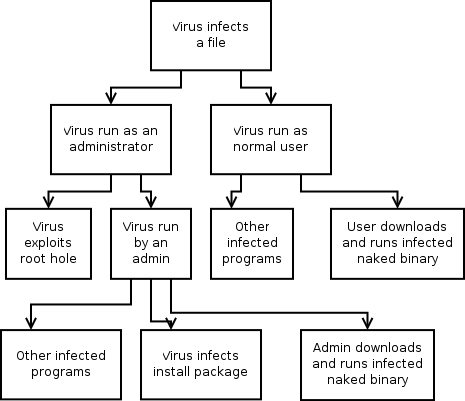
Stage 7: Risk & Impact Analysis. The final stage connects the technical findings back to the business objectives from Stage 1. For each simulated attack, we determine the likelihood and the business impact. Would a successful attack lead to financial loss, reputational damage, or a regulatory fine? This analysis allows us to score and prioritise risks, ensuring that we focus our defensive efforts on the threats that matter most.
Creating a Proactive Defence
The output of the PASTA process is a detailed and prioritised report of risks. It doesn't just say, "Here are 50 vulnerabilities." It says, "Here are the top five attack scenarios that pose the greatest risk to our business objectives, and here is how they would likely happen."
This level of detail enables organisations to move from a reactive posture, where they scramble to patch every vulnerability as it's discovered, to a proactive one. By understanding the attacker's perspective and the true business impact of potential threats, security teams can build a more intelligent, resilient, and cost-effective defensive strategy.
Ready to check your understanding?
What is the primary goal of the PASTA threat modelling framework?
In which stage of the PASTA process would you use threat intelligence sources like the MITRE ATT&CK framework to understand potential adversaries' TTPs (Tactics, Techniques, and Procedures)?
By following a structured methodology like PASTA, you can ensure your security efforts are not just busywork, but are directly contributing to the protection of what's most important to the business.