Intermediate Chess Strategy
Opening Principles
The First Ten Moves
The first phase of a chess game, the opening, isn't about launching a surprise attack. It's about setting up your pieces for the battle to come. Think of it like arranging your troops on a battlefield before the fighting starts. A good opening gives you a solid foundation for the middlegame, while a bad one can leave you struggling from the very beginning. Luckily, you don't need to memorize dozens of complicated move sequences. Instead, focus on three core principles.
The principles of controlling the center, developing pieces, and ensuring king safety provide a strong foundation that applies across various opening scenarios.
Control the Center
The four squares in the middle of the board—e4, d4, e5, and d5—are the most important territory in chess. A piece in the center controls more of the board, can move to either side quickly, and restricts your opponent's options. It's like holding the high ground in a battle.
This is why most strong openings begin with a push from one of the central pawns. Moves like 1. e4 and 1. d4 immediately stake a claim in the center and open lines for your bishops and queen to enter the game. Your goal is to use your pawns and pieces to exert pressure on these key squares.
Develop Your Army
Your pieces on the back rank can't do anything. Development is the process of moving your minor pieces—knights and bishops—off their starting squares and into active positions where they can participate in the game. A good rule of thumb is to develop your knights before your bishops. Knights are less flexible and have fewer good squares to go to, so it’s often clearer where they belong early on.
Once your pieces are developed, you have an army ready for action. Your opponent, if they've neglected development, is still stuck at the starting gate. A lead in development means you have more active pieces, giving you more attacking and defensive potential. This advantage in tempo is crucial.
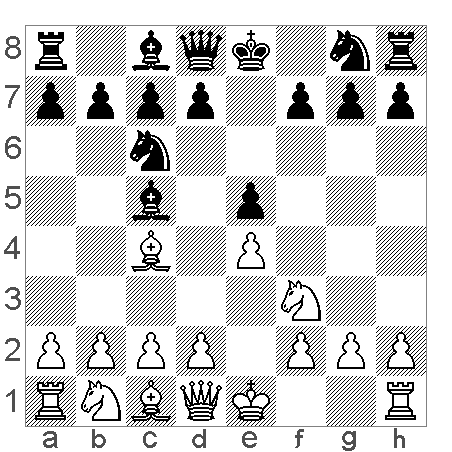
Every move should have a purpose. Try not to move the same piece multiple times in the opening unless you have a very good reason. Each move you waste is a move your opponent can use to develop another piece and get ahead.
Keep Your King Safe
The king starts the game in the center of the board, which quickly becomes an active and dangerous place. Leaving your king in the middle of the action is like putting your command center on the front lines—a recipe for disaster. The single most important move for king safety is castling.
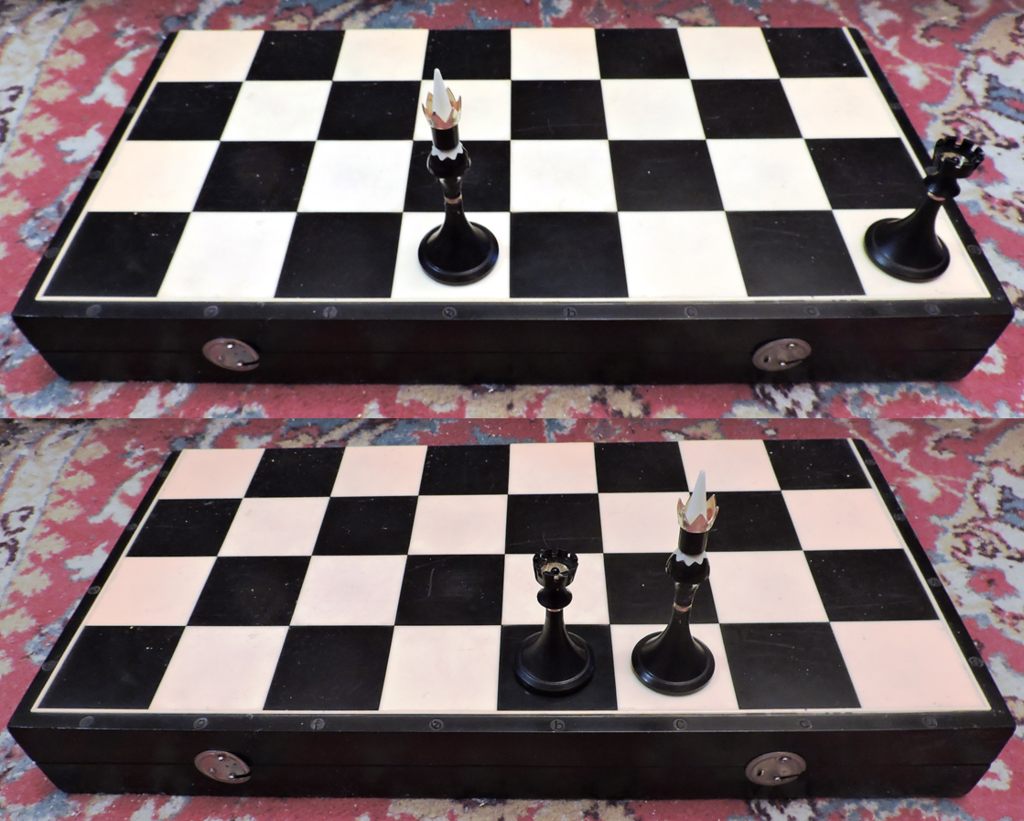
Castling accomplishes two vital goals at once. First, it tucks your king away in a corner, shielded by pawns. Second, it gets one of your rooks out of the corner and connects it with your other rook, allowing them to work together to control files. You should aim to castle within the first 7-10 moves in most games. To castle, you must not have moved your king or the castling rook, and the squares between them must be clear.
Common Opening Mistakes
Knowing the principles helps you avoid common pitfalls. Here are a few things to avoid:
- Bringing your queen out too early. The queen is your most powerful piece, which makes it a prime target. An early queen move can lead to it being chased around the board by your opponent's developing minor pieces, causing you to lose valuable tempo.
- Making too many pawn moves. While pawns are essential for controlling the center, moving too many of them in the opening neglects piece development. A wall of pawns is useless without an army behind it.
- Focusing on a premature attack. Beginners often try to checkmate their opponent in a few moves, like with the infamous Scholar's Mate. These attacks are easily defended by an experienced player and leave the attacker with a poorly developed, awkward position when the attack fails.
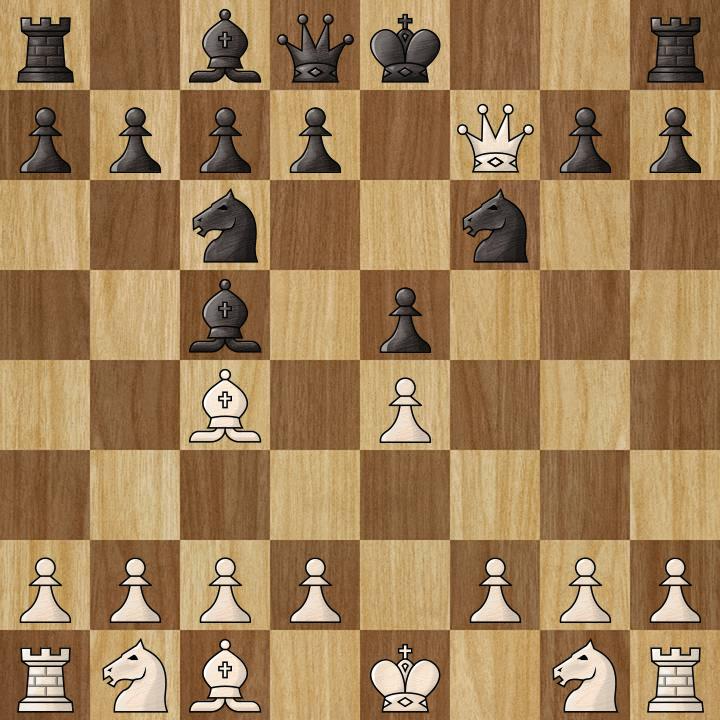
By sticking to the core principles of central control, piece development, and king safety, you'll consistently reach a solid middlegame position, ready to outplay your opponent.
Ready to test your knowledge of these core ideas?
What are the three core principles of a good chess opening?
Why is it generally a good idea to develop your knights before your bishops in the opening?