Intermediate Chess Strategy and Tactics
Opening Principles
The First Ten Moves
The opening is more than just the first few moves of a chess game. It's a battle for a positional advantage that sets the stage for the entire middlegame. Instead of memorising complex lines of theory, strong players rely on a set of guiding principles. Mastering these ideas allows you to find good moves in any situation, even unfamiliar ones.
The three golden rules of the opening are simple: control the centre, develop your pieces, and keep your king safe. Every move you make should serve at least one of these goals. Following these principles will lead you to a solid, playable position, ready for the complexities that lie ahead.
The principles of controlling the center, developing pieces, and ensuring king safety provide a strong foundation that applies across various opening scenarios.
Control the Center
The four squares in the middle of the board (e4, d4, e5, and d5) are the most important territory in chess. A piece placed in the centre controls more of the board and can move to either flank quickly. A knight on e4, for example, can reach eight different squares. A knight on the edge of the board, like h4, can only reach four.
Controlling this key terrain gives you more mobility and restricts your opponent. This control doesn't always mean physically occupying the squares with your pawns, though that is a common strategy. This direct approach is known as the Classical school of thought.
An alternative is the [{
Develop with Purpose
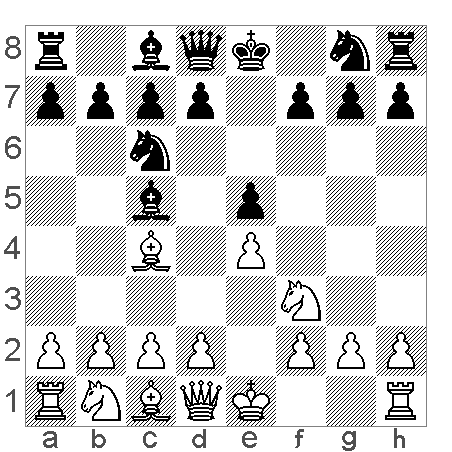
Once you've made your first pawn moves to influence the centre, the next goal is to develop your minor pieces—the knights and bishops. Development means moving them off their starting squares to more active posts where they help control the centre and prepare for future action.
A good rule of thumb is to develop your knights before your bishops. Knights are less flexible and have fewer good squares to go to. It's usually clear that knights belong on f3 and c3 (or f6 and c6 for Black). After the knights are out, you'll have a better idea of where the bishops should go.
One of the most common mistakes beginners make is moving their queen out too early. The queen is your most powerful piece, which makes her a valuable target. If you bring her into the game prematurely, your opponent can develop their own pieces by attacking her, forcing you to waste moves running to safety. This loss of time is a loss of —a critical concept in the opening.
Principle: In the opening, try not to move the same piece twice unless there is a very good reason, like capturing a more valuable piece or forcing a favourable exchange.
This leads to the idea of 'good' versus 'bad' trades. In general, you should avoid trading a developed piece for an undeveloped one. If your knight has moved to a great central square and your opponent offers to trade it for a bishop still on its starting square, the trade benefits them. They remove one of your active pieces while using the turn to bring a new piece into the game. Always consider how a trade affects the development race.
King Safety
The third and final golden rule is to protect your king. Your king starts in the centre of the board, which is a dangerous place to be as lines open up. The most effective way to secure your king is by early. Castling tucks your king away behind a wall of pawns and brings a rook into the game, connecting it with your other pieces.
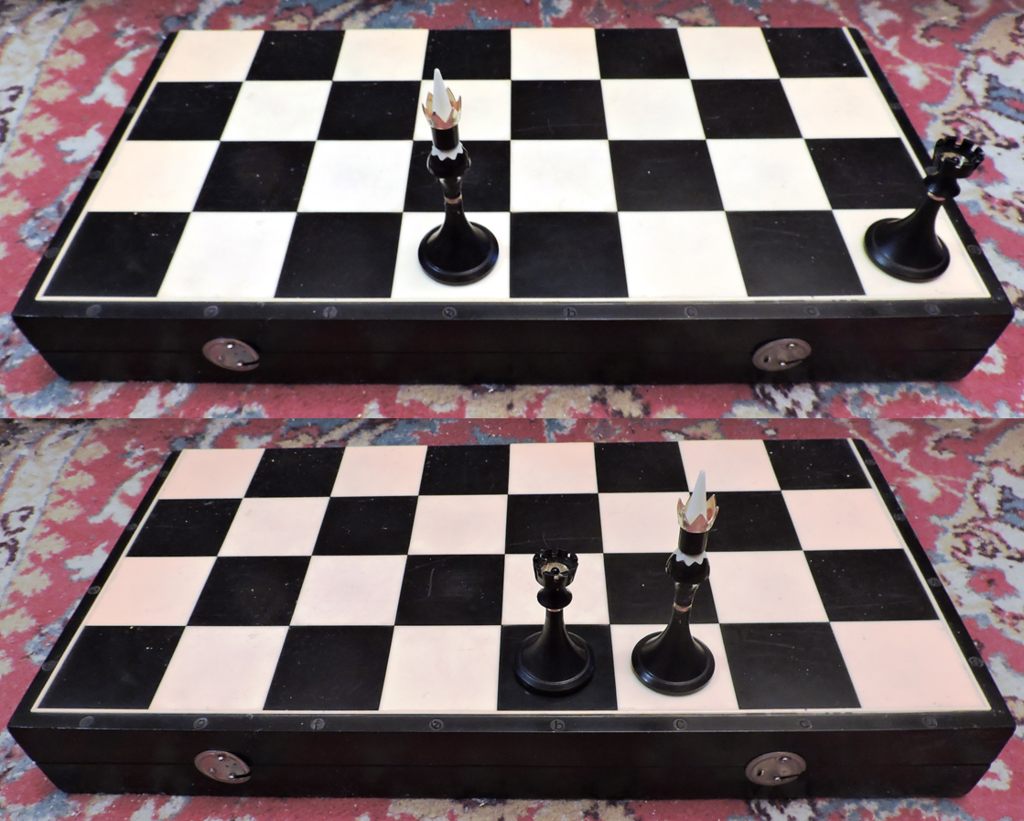
Your opening pawn structure plays a huge role in king safety. Moving the pawns in front of your castled king (for example, the f, g, and h-pawns) can create weaknesses that your opponent can exploit. In most cases, it's best to leave this pawn shield intact until you have a clear reason to advance it.
By following these three principles—controlling the centre, developing your pieces, and castling your king—you build a solid foundation. You'll enter the middlegame with your army coordinated and ready to fight, no matter what opening your opponent plays.
Let's see what you've learned about getting your pieces into the game.
What are the three fundamental principles, often called the 'golden rules', of the chess opening?
Which of these approaches describes the Hypermodern school of thought regarding centre control?