Intermediate Chess Fundamentals
Opening Principles
The First Moves Matter
Knowing how the pieces move is just the first step. The real art of chess begins with the opening, the first 10-15 moves that set the stage for the entire game. A good opening isn't about memorizing long sequences; it's about following timeless principles that give your pieces power and flexibility. The most important of these principles is controlling the center of the board.
At its core, the opening phase of chess is about establishing control of the center, developing pieces efficiently, and safeguarding the king.
The center consists of the four squares: d4, d5, e4, and e5. Pieces placed in the center control more of the board than pieces on the edge. A knight on d4, for instance, can move to eight different squares. A knight in the corner can only move to two. By using your pawns and minor pieces to influence these key squares, you create space for your army and restrict your opponent's options. A common way to start is by advancing a center pawn two squares, like 1.e4 or 1.d4, immediately staking a claim.
Developing Your Army
Once you've made your first pawn move, the next priority is piece development. This means moving your knights and bishops off the back rank and into the action. A good rule of thumb is to develop your knights before your bishops. Knights are less flexible and have fewer initial squares they can jump to, so it's efficient to get them into the game early. Bishops, on the other hand, can control long diagonals even from their starting squares once a pawn has moved.
A common mistake is moving the same piece multiple times in the opening. Every move is a unit of time, a concept known as tempo in chess. When you move a piece twice while your opponent is developing two different pieces, you are falling behind in development. You want to get all your soldiers into the battle, not just one or two.
tempo
noun
A single move, considered as a unit of time in the development of a position. Gaining a tempo means making a useful move that forces your opponent to respond, effectively giving you an 'extra' turn.
Another pitfall to avoid is bringing your queen out too early. While the queen is your most powerful piece, she is also your most valuable target. A premature queen attack can easily be repelled by your opponent's developing pieces. They will improve their position by chasing your queen around the board, gaining multiple tempos while you are forced to retreat. It's usually best to keep the queen safe until the middlegame is underway.
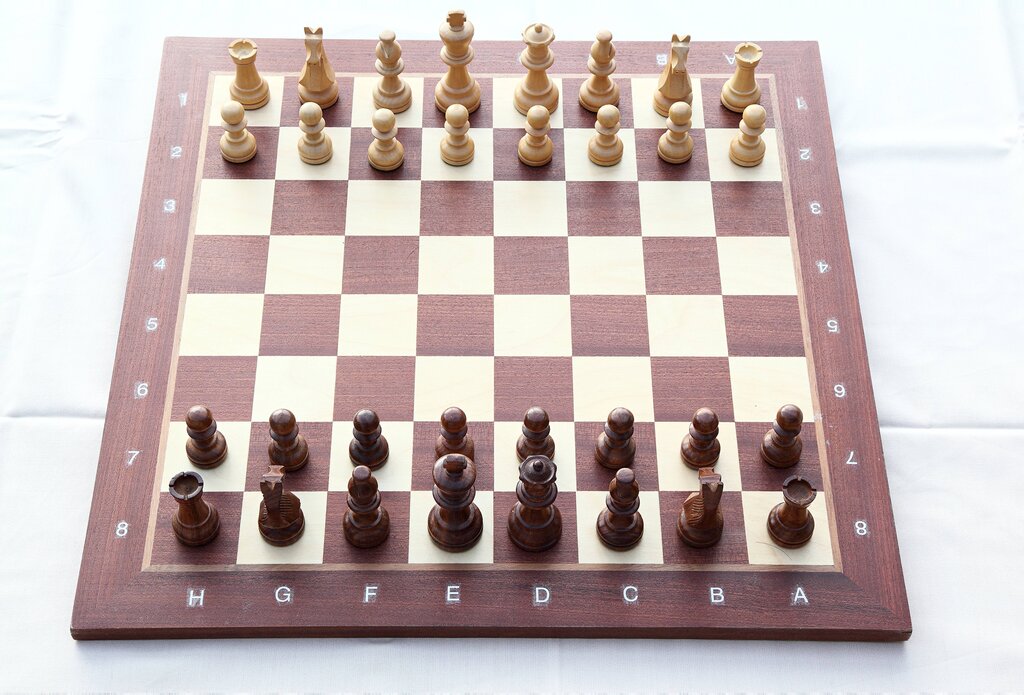
Keeping the King Safe
The third pillar of a good opening is king safety. Your king starts the game in the center of the board, a vulnerable position as files open up. The single most important move for king safety is castling. This special move tucks your king away to the side of the board behind a wall of pawns and simultaneously brings a rook into the game.
There are two types of castling: kingside and queenside. Kingside castling (castling short) is more common because it's quicker. The king moves two squares towards the rook, and the rook jumps over to the adjacent square. The king ends up safer on g1 (for White) or g8 (for Black). Queenside castling (castling long) moves the king to c1 or c8 and takes an extra move to secure the pawns in front of it, but it often leads to sharper, more aggressive games as the rook on d1 or d8 immediately controls a central file.
You should aim to castle early, typically within the first 10 moves. Delaying castling can leave your king exposed to sudden attacks. A well-played opening results in a position where your pieces are developed, your king is safe, and you are ready to fight for control of the middlegame. Here is a summary of the key 'dos and don'ts':
| Do ✅ | Don't ❌ |
|---|---|
| Control the center | Neglect the center |
| Develop knights and bishops | Move the same piece multiple times |
| Castle early | Bring the queen out too soon |
| Connect your rooks | Leave your king in the middle |
Let's see if you've got the hang of these core ideas.
According to fundamental opening principles, which area of the board is most important to control early in the game?
What is the primary reason that moving the same piece multiple times in the opening is a poor strategy?
Solidifying these principles is the first step toward building a strong and confident chess game. They provide a reliable framework for navigating the critical first phase of any match.