Intermediate Canva Design Mastery
Mastering Brand Systems
Beyond a Single Logo
A strong brand is a system, not just a single design element. While a logo is vital, true brand consistency comes from a comprehensive framework that governs every visual and textual asset. For businesses and designers juggling multiple projects, this system is the key to efficiency and recognition. The central hub for this framework in Canva is the Brand Kit.
Sure, setting up a Canva Brand Kit for each client takes time initially, but once it's done, I no longer have to waste time re-uploading logos or hunting down color codes.
Think of the Brand Kit as your single source of truth. It's where you define the rules for your visual identity, ensuring that every design—from a social media post to a formal presentation—is instantly recognizable and perfectly aligned with your brand.
Taming Your Logos
A professional brand needs more than one logo file. Different contexts demand different logo formats. A wide website header needs a horizontal logo, while a small social media profile picture calls for a compact icon or logomark. Storing these variations in your Brand Kit prevents team members from using the wrong version.
When you upload these to your Brand Kit, you can create separate folders for logos, ensuring your team can easily find the right asset for any application. This simple organization step eliminates design inconsistencies and saves valuable time.
A Palette for Every Purpose
Color is a cornerstone of brand identity. A professional Brand Kit goes beyond just picking a few nice shades; it defines specific color codes for different media to ensure consistency everywhere. The three most important color models are HEX, RGB, and s.
-
HEX & RGB: These are additive color models used for digital screens. HEX codes (like
#0A4481) are a staple in web design, while RGB defines colors by mixing red, green, and blue light. Your Brand Kit should list the primary, secondary, and accent colors in these formats for all digital assets. -
CMYK: This is a subtractive color model used for physical printing. It mixes cyan, magenta, yellow, and black inks. Because printed colors can look different from screen colors, having defined CMYK values is crucial for business cards, brochures, and packaging.
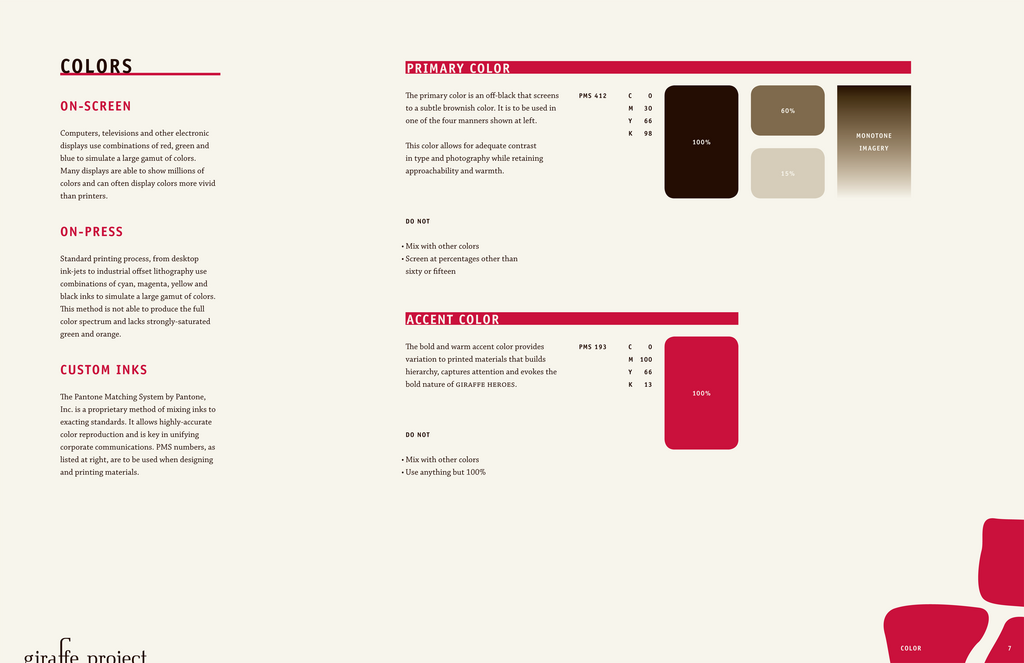
Canva allows you to create multiple color palettes within a single Brand Kit. You can have one for your core brand, another for a specific campaign, and a third with neutral tones. This flexibility helps you stay organized while allowing for creative variations that still feel on-brand.
Voice, Type, and Assets
Beyond logos and colors, a complete brand system includes typography, voice, and a library of approved assets. The Brand Kit centralizes all of these.
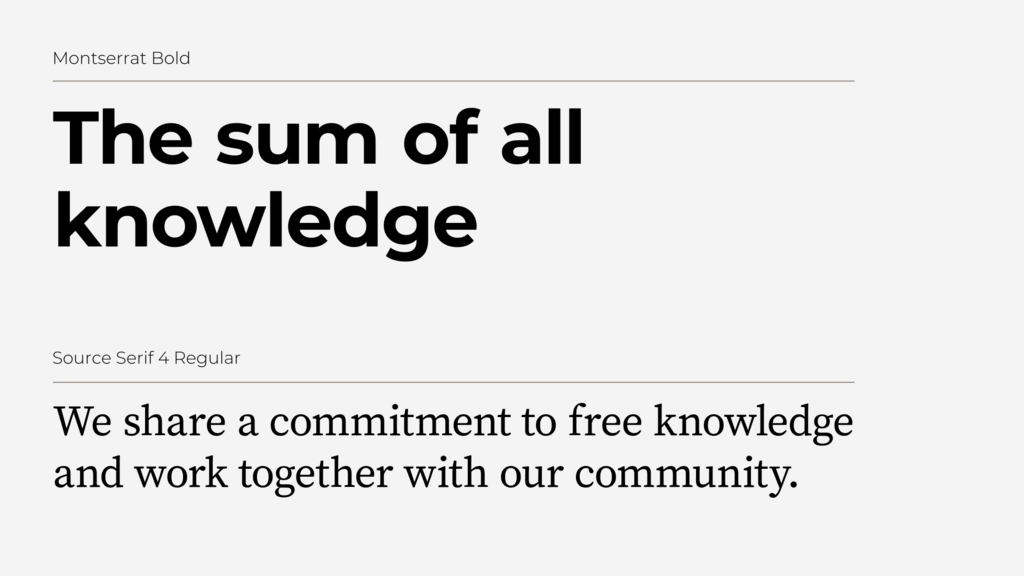
Typography Hierarchy Instead of just picking a font, define its role. A robust typography system establishes a clear hierarchy for titles, headings, subheadings, and body text. This guides the reader's eye and reinforces the brand's personality—be it bold and modern or classic and elegant. In your Brand Kit, you can set the font, size, and weight for each level of this hierarchy.
Brand Voice A newer, powerful feature in Canva is the ability to define your ''. This isn't about how your brand looks, but how it sounds. You provide a description of your brand's personality, tone, and vocabulary. Canva's AI tools, like Magic Write, will then use this profile to generate copy that sounds authentically like your brand, whether you want it to be witty, formal, or encouraging.
A well-defined Brand Voice ensures that even AI-generated content feels human and on-brand.
Brand Assets Finally, the Brand Kit is the perfect place to store other recurring visual elements. This includes custom icons, photographic styles, graphic elements, or textures that are unique to your brand. By creating dedicated folders for these assets within Canva, you give your entire team drag-and-drop access to an approved library, making it easy to create cohesive designs quickly.
By centralizing your logos, palettes, typography, voice, and assets, the Brand Kit transforms branding from a series of one-off decisions into a streamlined, scalable system.