Intermediate Biomedical Science Applications
Molecular Pathobiology Mechanisms
From Local Error to Systemic Crisis
Many widespread diseases don't start with a system-wide failure. Instead, they begin quietly, with a single molecular mistake inside a cell. A protein misfolds. A signal is misinterpreted. A gene mutation occurs. While these may seem like local problems, they can trigger a cascade of events that impacts the entire body.
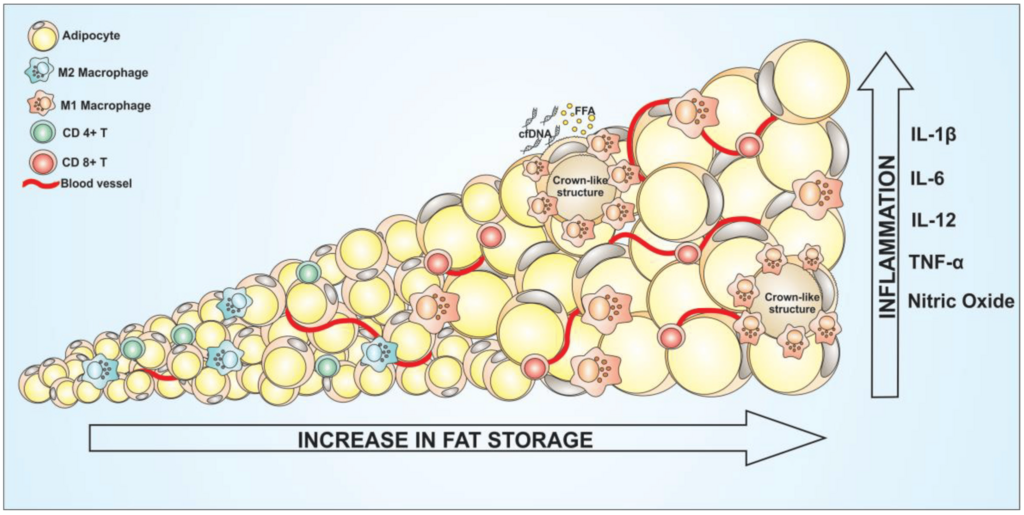
A common thread linking many chronic conditions is low-grade systemic inflammation a persistent, low-level activation of the immune system. Unlike the acute inflammation from a cut, which is helpful, this chronic state contributes to diseases like obesity, type 2 diabetes, and atherosclerosis. It's the body's emergency response system stuck in the 'on' position, slowly causing damage over time as individual cellular stresses add up to a whole-body crisis.
When Signals Go Wrong
Your cells are constantly communicating through a process called signal transduction. Think of it as a complex game of telephone. An external signal, like the hormone insulin, binds to a receptor on the cell surface. This triggers a chain reaction, passing the message from one protein to the next inside the cell, ultimately telling the cell to perform an action, like absorbing glucose from the blood.
In chronic diseases, this signaling pathway can break down. In insulin resistance, for example, the cell's receptors become less responsive to insulin. The message to take up glucose is muffled or lost. The pancreas compensates by producing even more insulin, but eventually, it can't keep up. The result is high blood sugar and the collection of conditions known as metabolic syndrome, including high blood pressure and abnormal cholesterol levels.
The Protein Folding Problem
Proteins are the workhorses of the cell, and their function depends entirely on their intricate, three-dimensional shape. A string of amino acids must fold into a precise structure to work correctly. When this process goes wrong, it's called protein misfolding. Misfolded proteins are not just inactive; they can become toxic. They tend to stick together, forming clumps or aggregates that disrupt cellular processes.
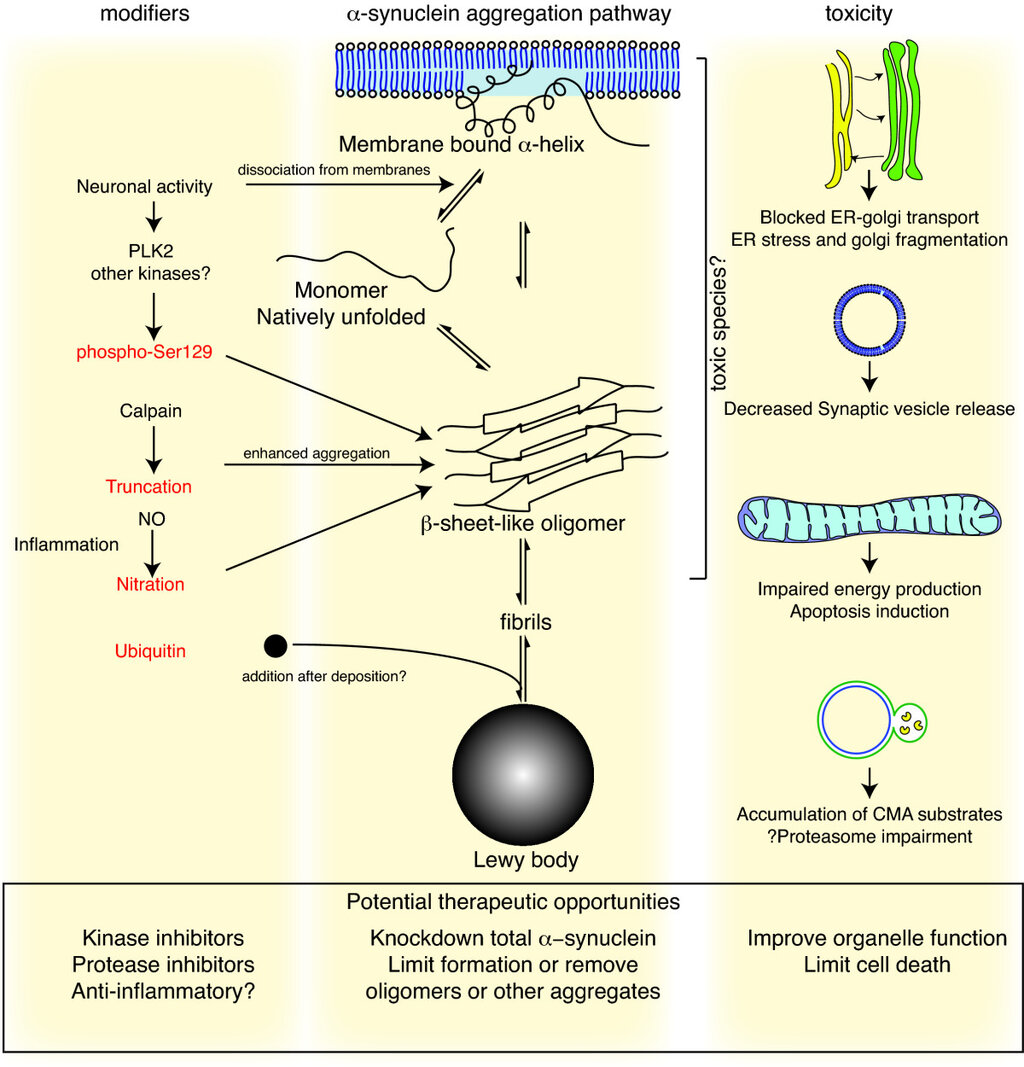
This mechanism is at the heart of several neurodegenerative diseases. In Alzheimer's disease, amyloid-beta proteins clump into plaques outside neurons, while tau proteins form tangles inside. In Parkinson's disease, a protein called alpha-synuclein misfolds and aggregates into structures known as Lewy bodies. These aggregates interfere with normal brain function, trigger inflammation, and ultimately lead to the death of neurons, causing the progressive symptoms of these conditions.
Uncontrolled Growth
Cancer is fundamentally a disease of broken cellular controls. Your body has sophisticated pathways that tell cells when to grow, divide, and die. An is a mutated gene that contributes to the development of cancer. Think of it as a car's accelerator getting stuck down.
These mutations often occur in genes that are part of signal transduction pathways controlling cell proliferation. For instance, a mutation in a growth factor receptor might cause it to be permanently 'on', constantly telling the cell to divide even without an external signal. Other mutations can disable tumor suppressor genes, which act as the cell's brakes. When both the accelerator and the brakes are broken, the cell begins to multiply uncontrollably, forming a tumor.
From a single faulty protein to a systemic inflammatory response, molecular pathobiology shows how the smallest changes can have the largest consequences for our health.
Now, let's test your understanding of these molecular mechanisms.
Which of the following best describes low-grade systemic inflammation?
Insulin resistance, a key factor in type 2 diabetes, is an example of a failure in which cellular process?