Interior Design Fundamentals
Design Principles
The Building Blocks of Design
Have you ever walked into a room and it just felt right? Everything seemed to be in its perfect place, creating a comfortable and pleasing atmosphere. That feeling isn't an accident. It's the result of applying fundamental design principles. These aren't strict rules, but rather guidelines that help create spaces that are both beautiful and functional. Think of them as the grammar of the design language.
Design principles, also known as principles of design, are the fundamental guidelines and artistic frameworks that shape the creation of visually compelling compositions.
By understanding these core concepts, you can learn to see why certain rooms work so well and apply those same ideas to your own home. Let's explore these principles one by one.
Creating Stability with Balance
Balance is all about distributing the visual weight of objects in a room to create a sense of equilibrium. It’s what makes a space feel stable and grounded. Imagine a seesaw; you need equal weight on both sides to keep it level. The same idea applies to arranging furniture and decor. There are two main ways to achieve this.
Symmetrical balance is like a mirror image. It creates a formal, orderly feeling. If you draw a line down the middle of the space, one side is nearly identical to the other. Think of a sofa with matching end tables and lamps on either side.
Asymmetrical balance, on the other hand, is more casual and dynamic. It uses different objects that have similar visual weight to create balance. A large sofa on one side of a room might be balanced by two smaller chairs and a floor lamp on the other. It's less predictable but can feel more modern and interesting.
The Art of Harmony and Rhythm
Harmony and rhythm work together to create a cohesive and engaging space. Harmony is the feeling that all the elements in a room belong together. It’s achieved when items share a common trait, like shape, texture, style, or color. A room filled with furniture of a similar wood tone and fabric textures feels harmonious. This unity makes a space feel calm and complete.
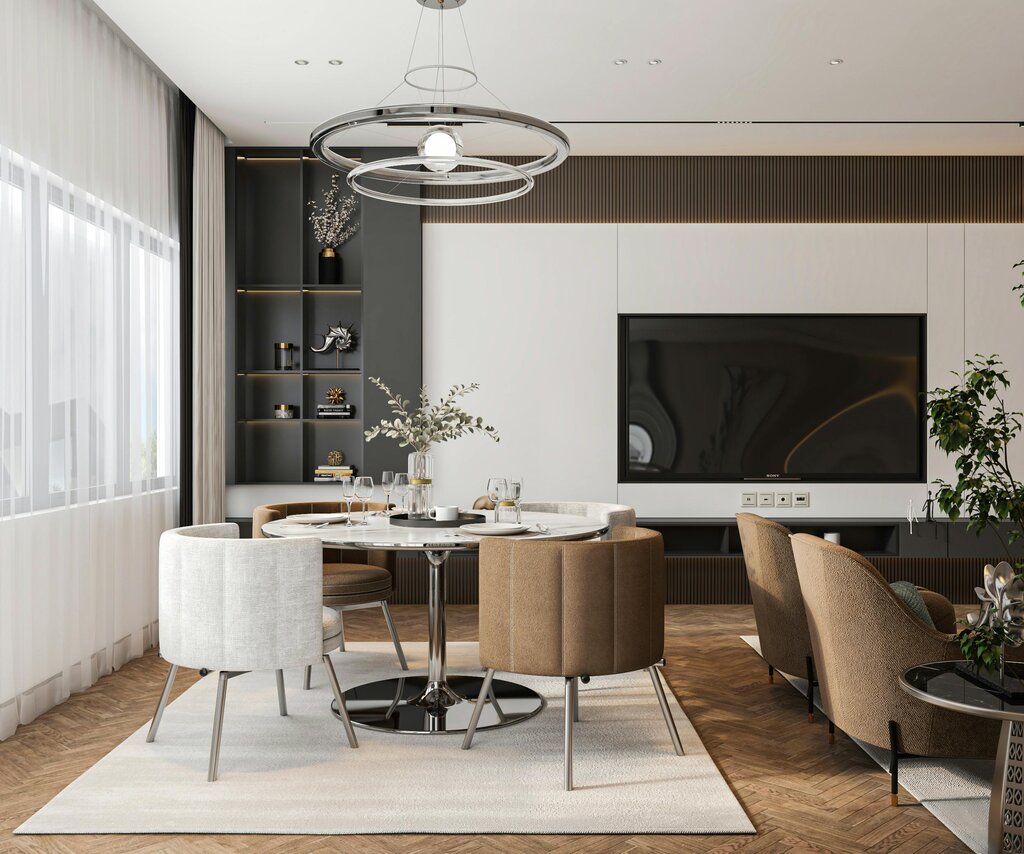
Rhythm, on the other hand, is about creating visual movement that guides the eye through the room. It’s like the beat in a song, creating a pattern that our eyes can follow. There are a few ways to create rhythm:
- Repetition: Simply repeating an element throughout the space, like using the same accent color on pillows, a vase, and a piece of art.
- Progression: This involves taking an element and changing it gradually. Think of a set of nesting tables or a collection of photos in frames that go from small to large.
- Transition: This is a more subtle technique that uses a continuous line to carry the eye from one point to another, like a curved archway or the flowing lines of a winding staircase.
Getting the Right Fit
Proportion and scale are two closely related principles that are crucial for a comfortable and well-designed room.
Scale refers to the size of an object in relation to the size of the room itself. A massive, overstuffed sofa will look out of place in a tiny apartment, just as a small, delicate chair would be lost in a grand living room with high ceilings. The key is to choose furniture that fits the volume of the space.
Proportion deals with how the sizes of different objects within the room relate to one another. A large coffee table should be paired with a substantial sofa, not a small loveseat. When the proportions are right, all the pieces feel like they belong together, creating a balanced and visually pleasing scene.
A common mistake is filling a small room with small furniture. Often, using fewer, larger pieces can make a small room feel bigger and less cluttered.
Emphasis, Contrast, and Details
The final set of principles helps add personality and interest to a space.
Emphasis is about creating a focal point, a center of attention that draws the eye when you enter a room. This could be a fireplace, a large piece of art, a dramatic light fixture, or a window with a stunning view. Everything else in the room should complement the focal point, not compete with it.
Start with a focal point: Identify the aspect you want to emphasize, then use contrast and proportion to draw extra attention to it.
Contrast is used to create visual excitement and prevent a room from feeling monotonous. This can be achieved by pairing opposites: light and dark colors, smooth and rough textures, or simple and ornate shapes. A sleek, modern table paired with rustic, textured chairs is a great example of contrast at work.
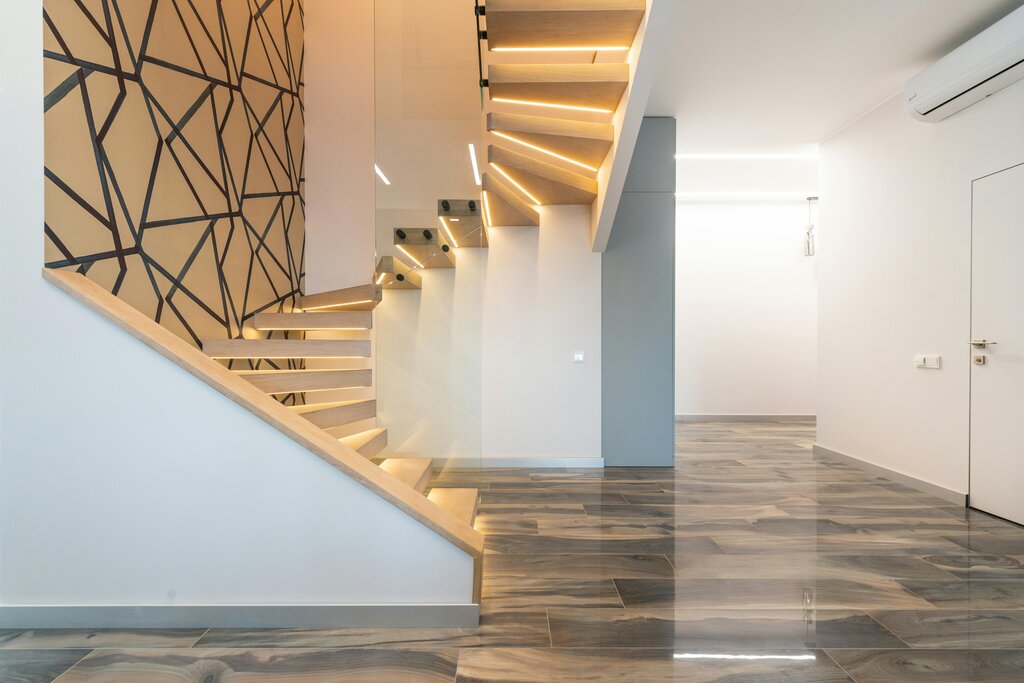
Finally, details are the finishing touches that pull a whole design together. These are the small things that add character and a sense of completeness to a room. Think of decorative trim on a pillow, the hardware on a cabinet, or a thoughtfully arranged collection of objects on a shelf. Without these small details, a room can feel generic and unfinished.
Learning to apply these principles will transform the way you approach decorating. They are the tools that allow you to create spaces that are not just filled with things you like, but are truly well-designed.
Ready to test your knowledge?
If you place a large sofa on one side of a room and balance it with two smaller chairs and a side table on the other, which design principle are you using?
True or False: The principle of 'scale' refers to the size relationship between different objects within the same room, such as a coffee table and a sofa.