Interior Design Fundamentals
Design Elements
The Building Blocks of Design
Every great room starts with the same fundamental ingredients. Think of them as the alphabet of interior design. Once you understand these basic elements, you can combine them in endless ways to create spaces that are not only beautiful but also feel just right. These aren't rigid rules, but rather the tools you'll use to bring your vision to life.
Line and Form
The first element, line, is the foundation of any space. Lines are created by the architecture of a room and the objects within it. They guide the eye, create movement, and define the overall structure.
- Horizontal lines, found in tables and other low furniture, create a sense of stability and restfulness.
- Vertical lines, seen in doorways, windows, and tall furniture, draw the eye upward and add a feeling of height and strength.
- Dynamic lines, which are diagonal or zigzagging, bring energy and excitement to a space.
- Curved lines soften a room, adding a natural, flowing, and gentle feel.
Lines combine to create shapes, which are the two-dimensional outlines of objects. A rug is a rectangle, a mirror is a circle. When a shape takes on three dimensions, it becomes a form. That rectangular rug has a flat form, while a spherical ottoman has a rounded, solid form.
Forms are the real substance of a room, the objects that have mass and take up space. Understanding the interplay between different forms, like a boxy sofa and a round coffee table, is key to creating a balanced and visually interesting composition.
Color and Light
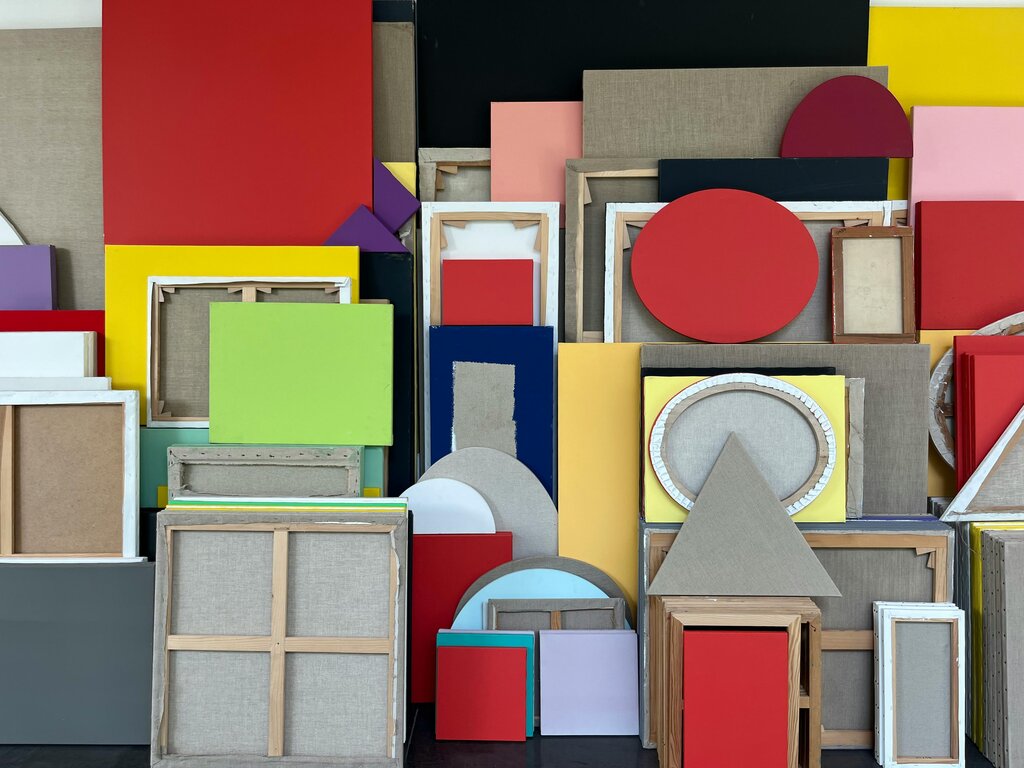
Color is arguably the most powerful and emotional design element. It can instantly change the mood of a room. Warm colors like reds, oranges, and yellows tend to be energizing and cozy, while cool colors like blues, greens, and purples often feel calming and spacious.
The way you use color can make a room feel larger or smaller, brighter or more intimate. A light color on the ceiling can make it feel higher, while a dark accent wall can add depth and drama.
Color doesn't just decorate a space; it defines it. The right palette can transform how you feel and interact within a room.
Light works hand-in-hand with color. It brings colors to life and shapes how we perceive a space. There are two main types of light to consider:
-
Natural Light: This is the sunlight that streams in through windows and doors. It changes throughout the day, altering the look and feel of your room. Maximizing natural light often makes a space feel more open and inviting.
-
Artificial Light: This is any light you add to a room, from ceiling fixtures to lamps. Good design uses layers of artificial light for different purposes: ambient light for overall illumination, task lighting for specific activities like reading, and accent lighting to highlight artwork or architectural features.
Space, Texture, and Pattern
Space is the canvas you work on. It's the physical area within the room's boundaries. Designers think about space in two ways:
- Positive space is the area filled with objects, like furniture, rugs, and lamps.
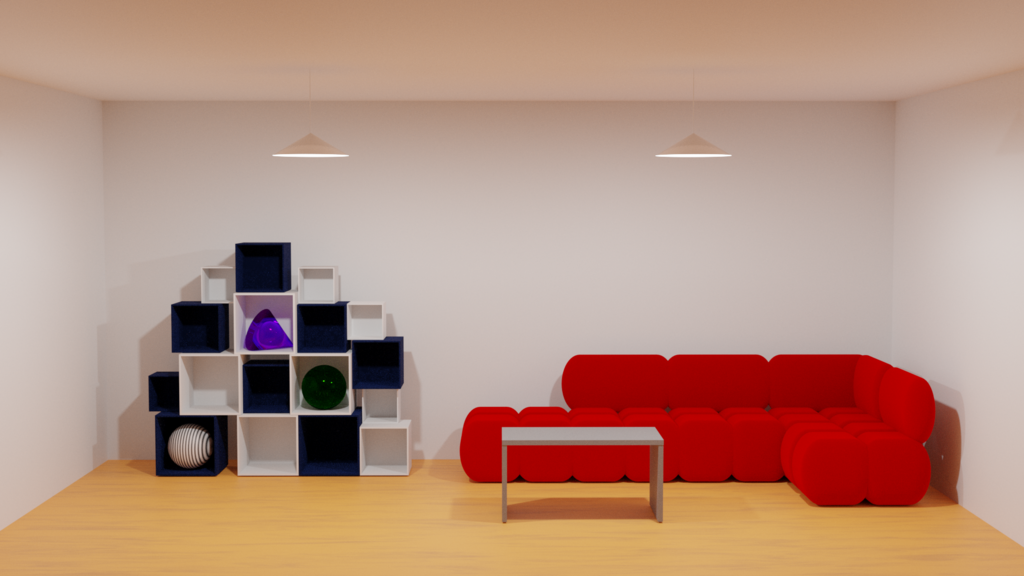
- Negative space is the empty area around and between those objects. It’s the floor you walk on and the air you move through. Don't underestimate negative space. It's essential for balance, preventing a room from feeling cluttered and giving your eyes a place to rest.
Texture is the element that engages our sense of touch, or at least our memory of it. It's the surface quality of an object. A rough-hewn wooden table, a soft velvet cushion, a smooth metal lamp, and a nubby wool rug all have distinct textures.
Mixing different textures adds depth and complexity to a design. A room with only smooth, flat surfaces can feel cold and uninviting. By layering textures, you create a richer, more tactile experience that makes a space feel complete.
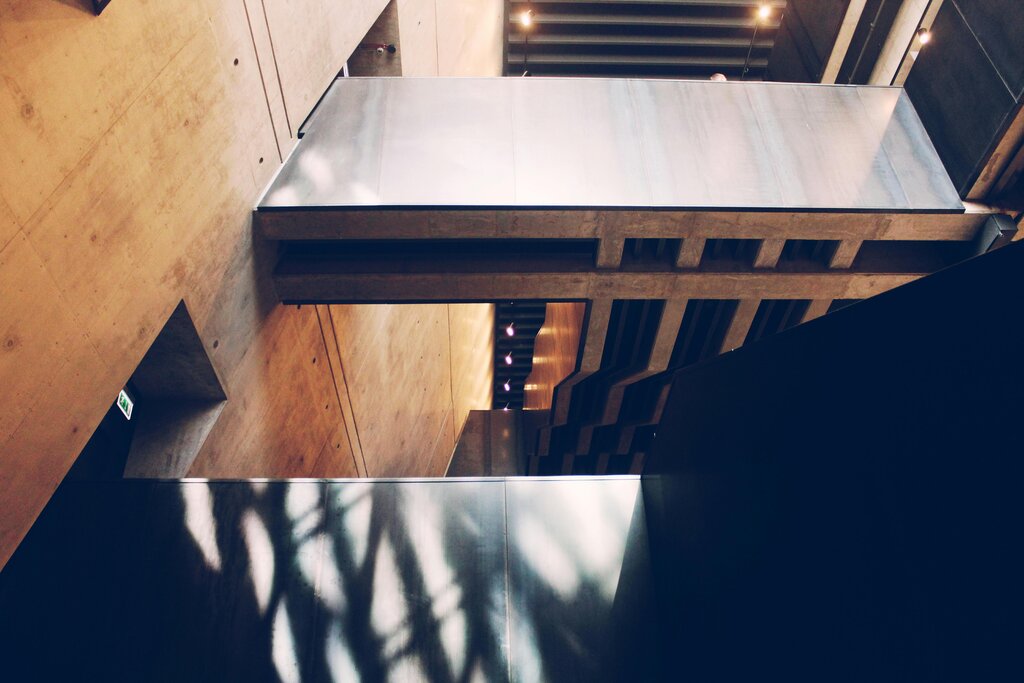
Finally, pattern is the repetition of a design element. It can be found in wallpaper, textiles, rugs, and artwork. Patterns can be geometric, like stripes and checks, or organic, like floral and animal prints. They add energy, rhythm, and personality to a space. A bold pattern can serve as a focal point, while a subtle one can provide a gentle layer of visual interest.
By understanding and manipulating these seven elements—line, form, color, light, space, texture, and pattern—you can craft interiors that are both functional and inspiring.