Interest Rates Explained
Introduction to Interest Rates
The Price of Money
At its core, an interest rate is simply the price of borrowing money. If you take out a loan, the interest rate is what you pay the lender for the privilege of using their money now. On the flip side, if you deposit money into a savings account, the bank pays you interest. In that case, the interest rate is your reward for letting the bank use your money.
Interest rates are the cost of borrowing money or the reward for saving it.
Think of it like renting a car. You pay a fee to use the car for a while. With money, interest is the fee. This price isn't random; it's expressed as a percentage of the amount borrowed, called the principal. This percentage is what we call the interest rate.
Nominal vs. Real Rates
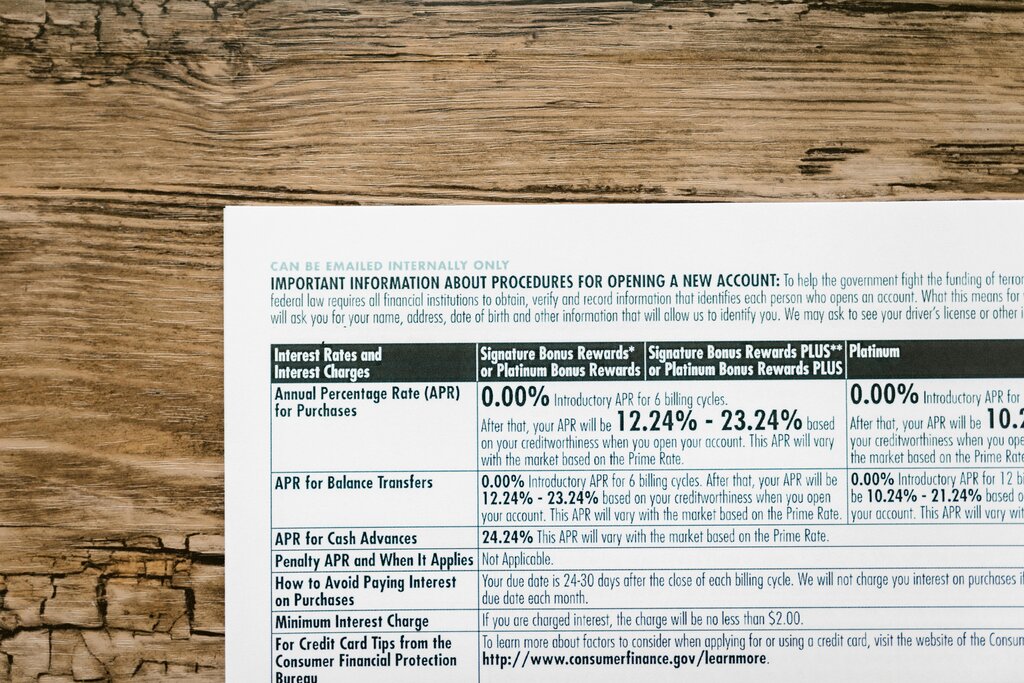
The interest rate you see advertised by a bank is the nominal interest rate. It’s the straightforward, stated percentage. If your savings account offers a 5% annual interest rate, that's the nominal rate. It tells you how much more money, in dollar terms, you'll have in your account after a year.
But money's value changes over time. This is due to inflation, which is the rate at which the general level of prices for goods and services is rising, and subsequently, purchasing power is falling. The real interest rate gives you a more accurate picture of your earnings by factoring in inflation.
The real interest rate tells you how much your purchasing power has actually increased, not just the number of dollars.
To find the approximate real interest rate, you subtract the inflation rate from the nominal interest rate. This is often called the Fisher Equation.
Here, is the real interest rate, is the nominal interest rate, and (the Greek letter pi) represents the inflation rate.
Let's say you put $1,000 in a savings account with a 5% nominal interest rate. After one year, you'll have $1,050. But if inflation for that year was 3%, the cost of goods and services has gone up. Your $1,050 doesn't buy as much as it would have a year ago. Your real return is only about 2%, meaning your purchasing power has only grown by that much.
What Moves Interest Rates?
Interest rates don't exist in a vacuum. They rise and fall based on several key economic factors. Understanding these forces helps explain why a loan might be cheaper this year than last.
Inflation
noun
The rate at which the general level of prices for goods and services is rising, and subsequently, purchasing power is falling.
Inflation: Lenders need to be compensated for the loss of purchasing power over the life of a loan. If inflation is expected to be high, they will charge higher nominal interest rates to ensure their real return remains positive. If they didn't, they would lose money in real terms.
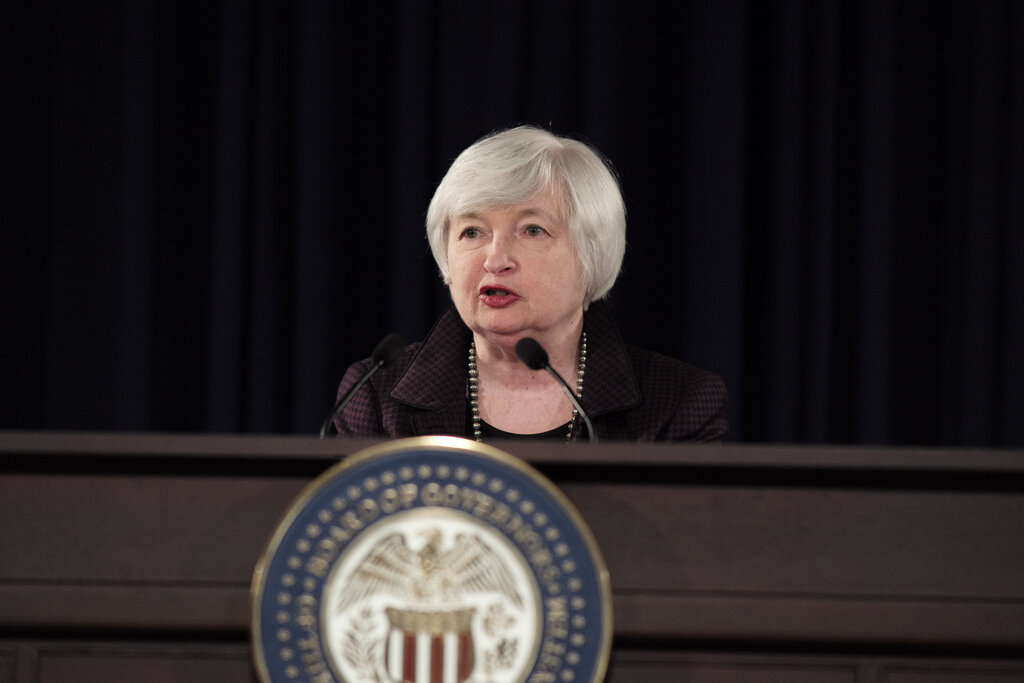
Central Bank Policies: Central banks, like the Federal Reserve in the United States, play a huge role. They set a target for a key short-term interest rate, which influences the rates that commercial banks charge each other and, ultimately, the rates offered to consumers and businesses. When a central bank wants to stimulate the economy, it typically lowers rates to encourage borrowing and spending. To cool down an overheating economy and fight inflation, it raises rates.
Market Demand: Like any price, interest rates are also affected by supply and demand. The supply comes from savers and lenders who are willing to part with their money for a time. The demand comes from borrowers—people buying homes, students paying for college, or businesses expanding. If many people want to borrow money but not many are willing to save, interest rates will tend to rise. Conversely, if there are a lot of savings available but low demand for loans, rates will fall.
Together, these factors create the dynamic environment where interest rates are set. They reflect the health of the economy, expectations for the future, and the basic exchange between those who have money and those who need it.