Interest Rates and the Fed Explained
Monetary Policy Basics
What is Monetary Policy?
Monetary policy is how a country's central bank manages the supply of money and credit to foster a healthy economy. Think of it as the control system for a country's financial engine. The goal isn't to make everyone rich, but to create stable conditions where the economy can grow sustainably.
In the United States, the central bank is the Federal Reserve, often just called "the Fed." Congress has given the Fed a "dual mandate"—two main objectives to guide its policy decisions:
- Promote maximum employment: This means encouraging conditions where everyone who wants a job can find one.
- Maintain stable prices: This involves keeping inflation low and predictable. When prices rise too quickly, the value of money falls, which hurts savers and creates economic uncertainty.
Achieving these two goals also helps with a third objective: keeping long-term interest rates moderate. When employment is high and prices are stable, the economy is balanced, and interest rates tend to follow.
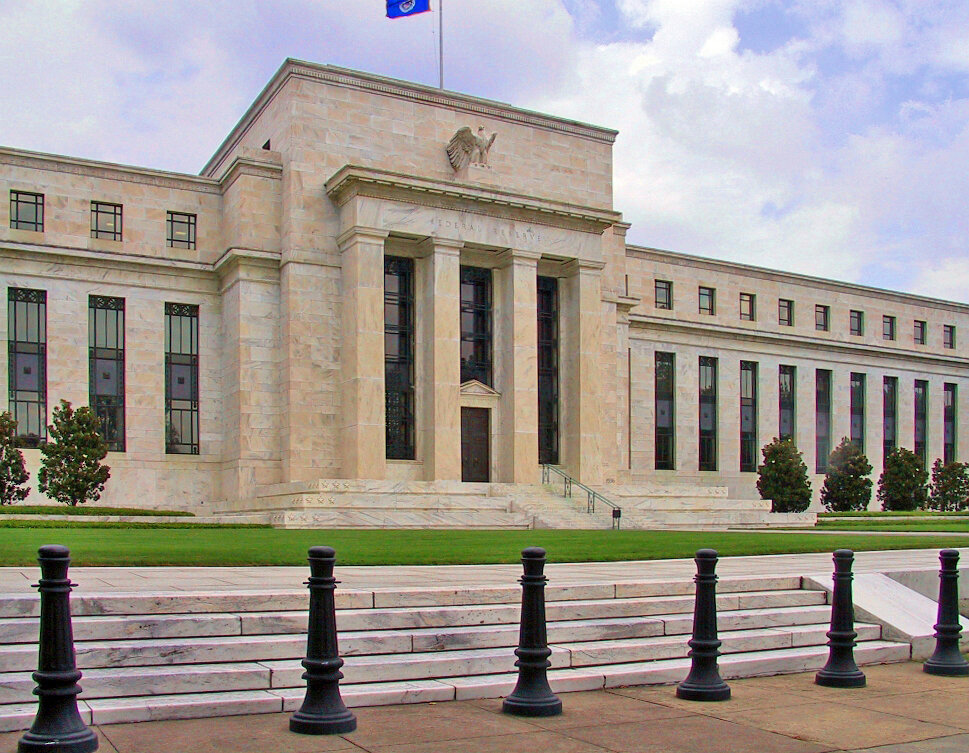
The Fed's Three Main Tools
To achieve its goals, the Federal Reserve has several tools at its disposal. While they can seem complex, they all work by influencing the amount of money available in the banking system. Here are the three primary ones.
- Open Market Operations
This is the Fed's most frequently used tool. Open market operations involve the buying and selling of government securities, like Treasury bonds, on the "open market." Commercial banks, financial firms, and investors are the main participants in this market.
When the Fed wants to increase the money supply, it buys government securities from banks. The Fed pays for these securities by crediting the banks' reserve accounts. This injects new money into the banking system, which banks can then lend out.
Conversely, when the Fed wants to decrease the money supply, it sells securities. Banks buy these securities, and the Fed debits their reserve accounts, effectively pulling money out of the banking system.
- The Discount Rate
Banks are required to hold a certain amount of money in reserve, but sometimes they might fall short on a given day due to unexpected withdrawals. When this happens, they can borrow directly from the Federal Reserve itself. The interest rate the Fed charges on these loans is called the discount rate.
By changing the discount rate, the Fed can influence banks' borrowing behavior. A lower discount rate makes it cheaper for banks to borrow from the Fed if they need to, which can encourage more lending and economic activity. A higher rate makes it more expensive, which can have the opposite effect. Changes to the discount rate also serve as a signal of the Fed's policy direction.
- Reserve Requirements
The reserve requirement is the fraction of deposits that banks are legally required to hold in reserve—meaning, they can't lend it out. For example, if the reserve requirement is 10%, a bank that receives a $1,000 deposit must hold $100 in reserve and can lend out the remaining $900.
The reserve requirement is the most powerful tool of monetary policy, so it is only rarely used.
Lowering the reserve requirement frees up more money for banks to lend, which increases the money supply. Raising it restricts the amount of money available for lending, shrinking the money supply. Because even small changes to this requirement can have a large impact on the banking system, the Fed rarely adjusts it.
These three tools give the Fed the leverage it needs to steer the economy toward its goals of stable prices and maximum employment.