Interest Rates and Fed Policy for Smart Decisions
Federal Reserve Basics
The Nation's Central Bank
The Federal Reserve System, often just called the Fed, is the central bank of the United States. Established in 1913, its primary job is to create a stable and flexible financial system for the country. Think of it as the bank for banks, and the institution responsible for managing the nation's money supply.
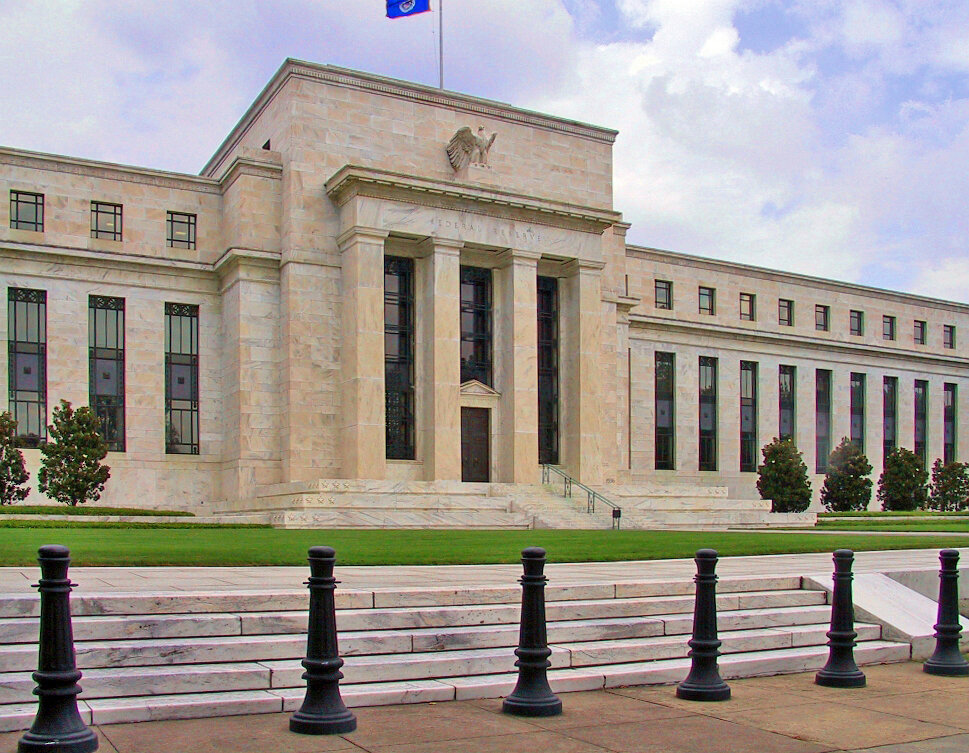
How the Fed is Organized
The Fed's structure is a unique blend of public and private elements, designed to be independent from short-term political pressures while still being accountable to the public. It has three key parts that work together.
Board of Governors: The Fed's main governing body. It consists of seven members, called governors, who are appointed by the President and confirmed by the Senate for 14-year terms.
12 Federal Reserve Banks: These are the operating arms of the central bank. The country is divided into 12 districts, each with its own regional Reserve Bank. These banks supervise commercial banks in their region and handle day-to-day operations.
Federal Open Market Committee (FOMC): This is the Fed's primary policymaking body. It includes the seven governors, the president of the Federal Reserve Bank of New York, and four other regional bank presidents who serve on a rotating basis.
The Dual Mandate
Congress has given the Fed two main goals to guide its actions. This is known as the "dual mandate."
First, the Fed aims for maximum employment. This doesn't mean zero unemployment, but rather the highest level of employment the economy can sustain without causing problems like runaway inflation. It's about creating conditions for a strong job market.
The second goal is price stability. This means keeping inflation low and stable. When prices for goods and services rise too quickly, the value of money falls, which hurts consumers and businesses. The Fed generally targets an average inflation rate of 2% per year.
The Fed has two primary economic goals — price stability and maximum employment — and it uses interest rates as its main lever to accomplish those outcomes.
Balancing these two goals can be tricky. Sometimes, actions taken to boost employment might lead to higher inflation, and vice versa. The Fed's challenge is to navigate this trade-off to keep the economy on an even keel.
The Fed's Toolbox
To achieve its dual mandate, the Fed uses several tools to influence the amount of money and credit in the economy. This is known as monetary policy. Here are the three main tools:
| Tool | What It Is | How It Works |
|---|---|---|
| Open Market Operations | The buying and selling of government securities (like bonds) on the open market. | This is the Fed's most-used tool. Buying securities adds money to the banking system, encouraging lending. Selling securities removes money, which tightens lending. |
| The Discount Rate | The interest rate that commercial banks pay to borrow money directly from their regional Federal Reserve Bank. | Lowering the discount rate makes it cheaper for banks to borrow, which can encourage lending. Raising it has the opposite effect. |
| Reserve Requirements | The amount of funds that a bank must hold in reserve against specified deposit liabilities. | If the Fed lowers the reserve requirement, banks have more money available to lend out. If it raises the requirement, banks have less money to lend. |
By adjusting these tools, the FOMC can influence interest rates throughout the economy, which in turn affects borrowing, spending, and investment decisions made by individuals and businesses.
Ready to check your understanding? Let's see what you've learned about the nation's central bank.
What are the two main goals of the Federal Reserve's "dual mandate"?
The Federal Reserve is designed to be independent from short-term political pressures but is still accountable to the public.
Understanding the Federal Reserve's structure and goals is the first step in seeing how its decisions ripple through the economy and affect everyone's financial lives.