Interest Rates and Fed Policy Explained
Introduction to Interest Rates
The Price of Money
Interest rates are one of the most important numbers in your financial life. Whether you're saving money, taking out a loan for a car, or buying a house, interest rates are working in the background. Simply put, an interest rate is the cost of borrowing money.
Interest rates are the cost of borrowing money or the reward for saving it.
Think of it like a rental fee. If you borrow money, you pay interest to the lender. If you lend money, such as by putting it in a savings account, the bank pays you interest. This price is usually expressed as a percentage of the amount borrowed, calculated over a year.
interest rate
noun
The proportion of a loan that is charged as interest to the borrower, typically expressed as an annual percentage of the loan outstanding.
The interest rate isn't just one single number. It's determined by the constant push and pull of supply and demand in the market for loans. When many people want to borrow but few are willing to lend, interest rates go up. When lots of money is available for lending but demand for loans is low, rates go down.
Nominal vs Real Rates
When you see an interest rate advertised by a bank, you're looking at the nominal interest rate. It's the stated price of borrowing money, without accounting for any other economic factors. It tells you how many more dollars you'll have to pay back.
But the value of a dollar changes over time because of inflation, which is the rate at which the general level of prices for goods and services is rising. To understand the true cost of a loan, you need to consider the real interest rate.
inflation
noun
The rate at which the general level of prices for goods and services is rising, and subsequently, purchasing power is falling.
The real interest rate is the nominal interest rate minus the rate of inflation. This number gives you a better idea of how your purchasing power is changing.
Imagine you get a loan with a 5% nominal interest rate. If inflation for that year is 3%, the real interest rate is only 2%. The money you pay back is worth less than the money you borrowed, so the lender's real return is smaller than the nominal rate suggests.
If inflation is higher than the nominal interest rate, the real interest rate becomes negative. In this scenario, a borrower actually gains purchasing power, while a lender or saver loses it. This is why expectations about future inflation play a huge role in setting today's nominal interest rates.
Why Interest Rates Matter
Interest rates are a key lever in the economy. They influence the decisions of everyone, from individual households to giant corporations and governments.
When interest rates are low, borrowing is cheaper. This encourages people and businesses to take out loans to buy homes, cars, or invest in new equipment. This spending can boost economic activity. On the flip side, low rates mean you earn less on your savings, which might discourage saving.
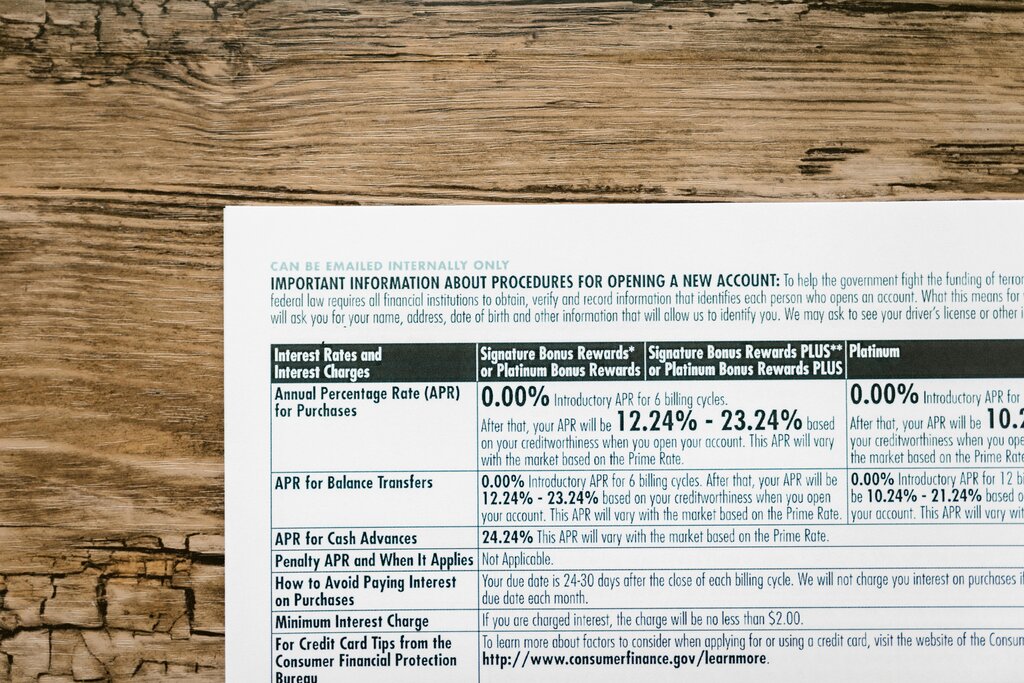
When interest rates are high, the opposite happens. Borrowing becomes more expensive, which can slow down spending and investment. This can help cool down an overheating economy and fight inflation. For savers, high rates are good news, as they offer a better return on their money.
This balancing act is central to economic health. Interest rates guide the flow of money, affecting everything from the housing market to business expansion and the overall pace of economic growth.
Let's review the key concepts we've covered.
Now, check your understanding of these fundamental ideas.
What is the most accurate definition of an interest rate?
To find the real interest rate, you subtract the inflation rate from the ______.
Understanding these basics is the first step. Next, we'll explore who sets these rates and how they use them to manage the economy.