Interest Rates and Fed Policy Explained
Interest Rates
The Price of Money
Think of interest rates as the price of using someone else's money. When you borrow money, you pay a fee for the privilege of using it now. When you lend money or save it in a bank, you earn a fee because someone else is using your money. That fee is the interest.
An interest rate is the percentage of a loan that a lender charges a borrower, or the percentage a bank pays a saver on their deposits.
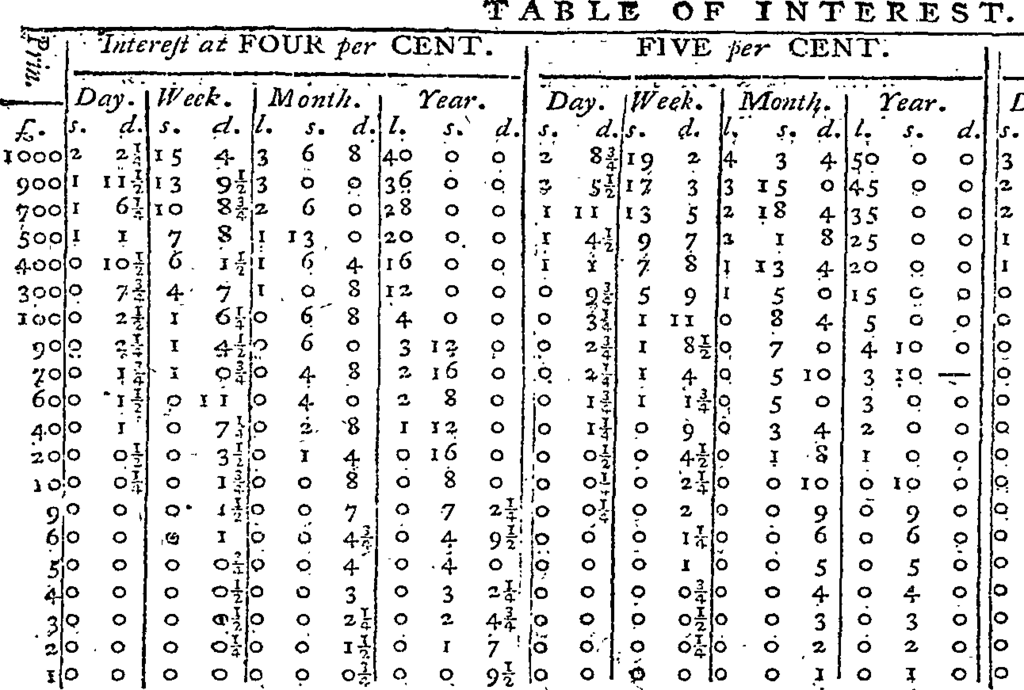
For example, if you borrow $1,000 for one year at an annual interest rate of 5%, you'll have to pay back the original $1,000 plus 5% of that amount. The interest would be . In total, you'd owe $1,050 at the end of the year.
Nominal vs. Real Rates
The interest rate you see advertised by a bank is called the nominal interest rate. It’s the straightforward, stated price of a loan or return on savings, without accounting for any other economic factors.
Nominal Interest Rate
adjective
The interest rate before taking inflation into account. It is the rate quoted by banks and financial institutions.
However, the value of money changes over time due to inflation, which is the general increase in prices and fall in the purchasing power of money. To understand the true return on your savings or the real cost of a loan, you need to consider the real interest rate.
Real Interest Rate
adjective
The interest rate that has been adjusted to remove the effects of inflation. It reflects the real cost of funds to the borrower and the real yield to the lender.
The real interest rate gives you a better picture of your financial situation. It's calculated by subtracting the inflation rate from the nominal interest rate.
Imagine you put $100 in a savings account with a 4% nominal annual interest rate. After a year, you’ll have $104. But if inflation for that year was 3%, the goods and services that cost $100 last year now cost $103. Your real gain in purchasing power is only about 1%, or $1. Your real interest rate is approximately .
The Ripple Effect of Rates
Interest rates have a powerful influence on the financial decisions of individuals and businesses, which in turn affects the entire economy.
| Decision | Low Interest Rates | High Interest Rates |
|---|---|---|
| Borrowing | Cheaper to borrow. Encourages taking out loans for cars, homes, or business expansion. | More expensive to borrow. Discourages taking on new debt. |
| Saving | Lower returns on savings. Less incentive to save, more incentive to spend or invest elsewhere. | Higher returns on savings. Encourages saving money in banks. |
| Investing | Businesses are more likely to invest in new projects and equipment because financing is cheap. | Businesses may delay investments because the cost of borrowing to fund them is high. |
When interest rates are low, borrowing becomes more attractive. People might be more willing to buy a house or a new car. Businesses might decide it's a good time to build a new factory. This increased spending and investment can boost economic activity.
Conversely, when interest rates are high, borrowing becomes more expensive. This can slow down spending and investment, as individuals and companies decide to save more and borrow less. These shifts in behavior are why interest rates are such a crucial element of the economy.
What is the best definition of an interest rate?
If you take out a $500 loan for one year with a 6% annual interest rate, how much interest will you owe?