Interest Rates and Fed Policy Explained
Federal Reserve Overview
America's Central Bank
The Federal Reserve System, often called the Fed, is the central bank of the United States. Established in 1913, its primary job is to provide the nation with a safer, more flexible, and more stable monetary and financial system. Think of it as the financial system's caretaker, working behind the scenes to keep the economy running smoothly.
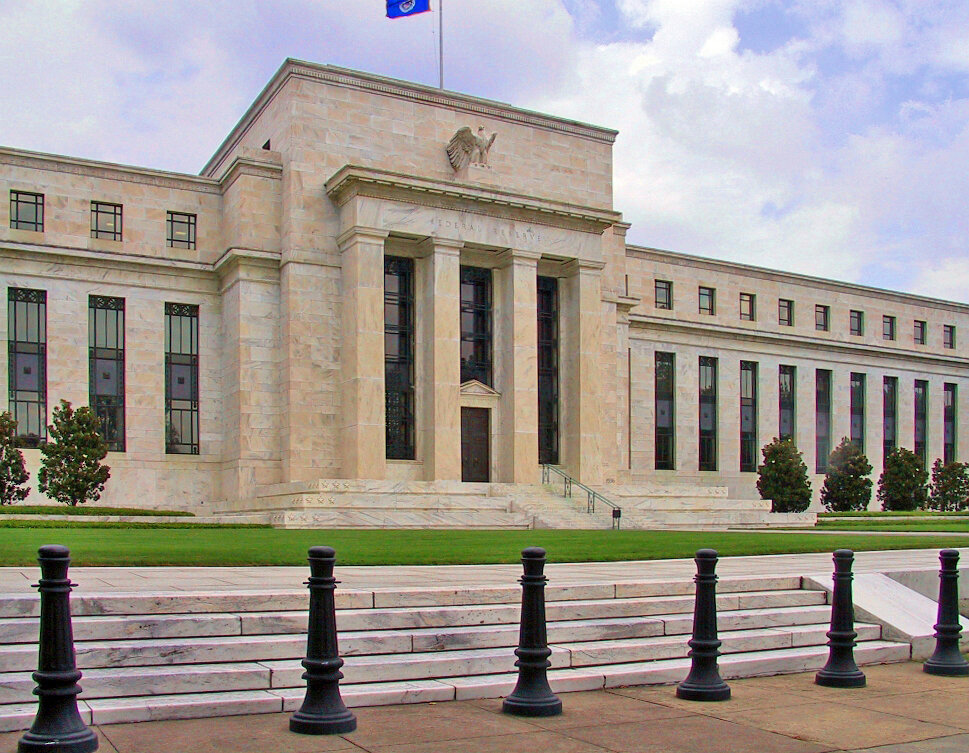
Unlike a typical bank where you might open a checking account, the Fed serves banks, the U.S. government, and the public interest. Its decisions influence everything from the interest rates on your car loan to the overall health of the job market. To understand how it works, we need to look at its unique structure.
Who Runs the Fed?
The Federal Reserve isn't a single entity but a system with three key parts: the Board of Governors, twelve regional Federal Reserve Banks, and the Federal Open Market Committee (FOMC). This structure is designed to be both centralized and decentralized, blending national oversight with local economic insights.
This public/private structure balances government oversight with the perspectives of private citizens and banks from across the country.
At the top is the Board of Governors in Washington, D.C. It consists of seven members, known as governors, who are appointed by the U.S. President and confirmed by the Senate. These governors serve staggered 14-year terms to ensure their decisions are insulated from short-term political pressures. The Board provides the overall guidance for the system and oversees the 12 Reserve Banks.
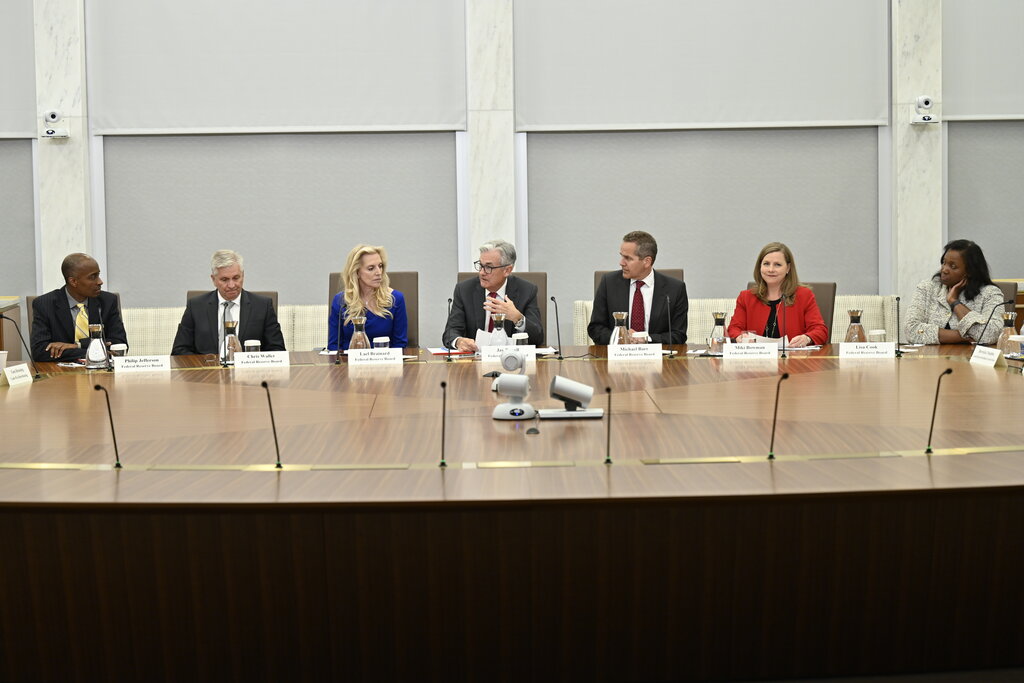
The country is divided into twelve Federal Reserve Districts, and each district has its own regional Reserve Bank. These banks are the operating arms of the system. They are sometimes called the "bankers' banks" because they provide financial services to commercial banks in their region, such as processing checks and electronic payments. They also supervise these local banks and gather valuable economic data from their communities, which helps inform national policy.
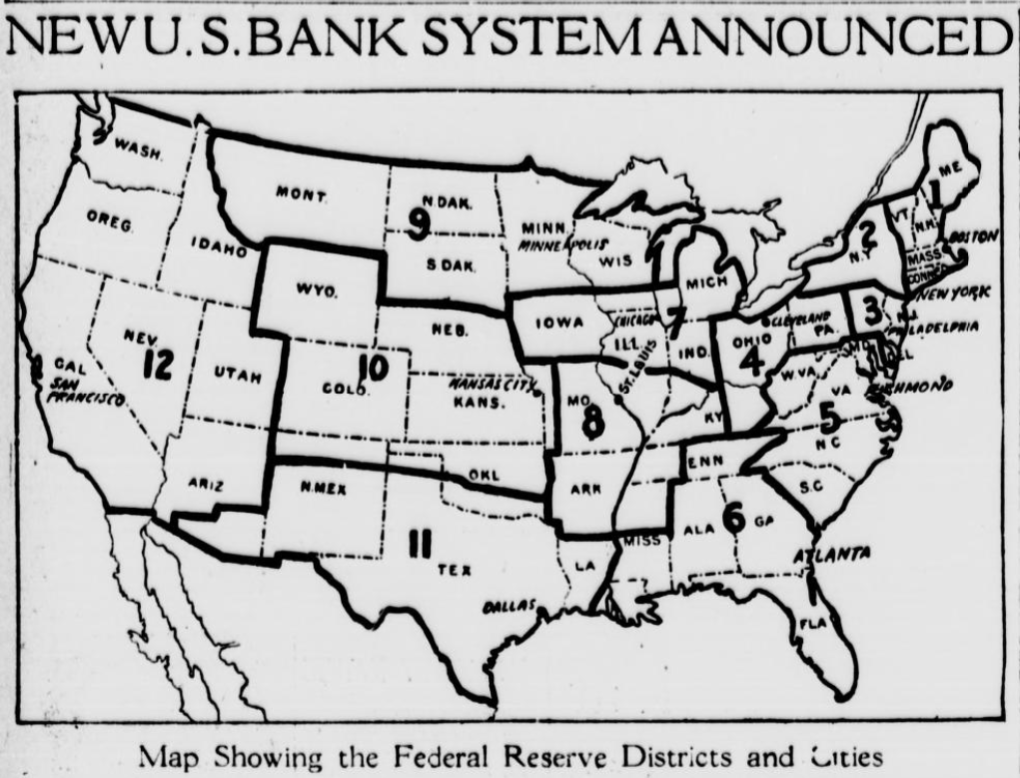
The third key part is the Federal Open Market Committee (FOMC). This is the Fed's main monetary policymaking body. The FOMC is responsible for making the critical decisions that influence the availability of money and credit in the U.S. economy. It is composed of the seven governors from the Board, the president of the Federal Reserve Bank of New York, and the presidents of four other Reserve Banks, who serve on a rotating basis.
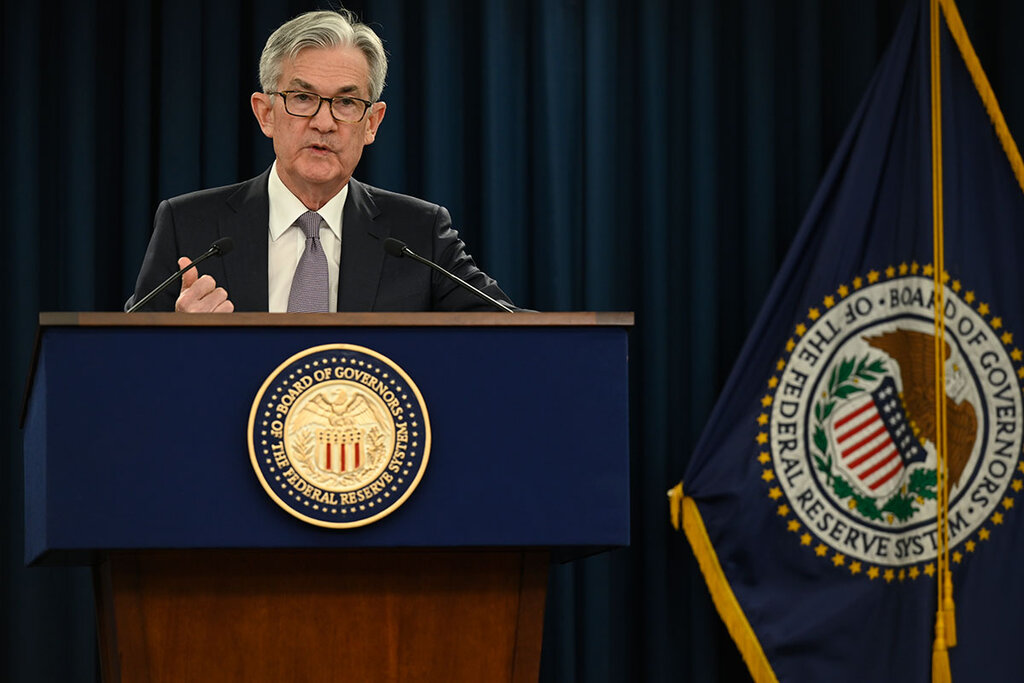
The Federal Reserve’s Federal Open Market Committee (FOMC) held interest rates steady and maintained its target federal funds rate range at 4.25-4.5%, as was widely anticipated before Fed Chair Jerome Powell’s announcement on Wednesday, March 19, 2025.
The Dual Mandate
So what guides the FOMC's decisions? The Fed operates under a mandate from Congress to achieve two main goals, often called the "dual mandate."
The Fed’s two goals are to promote maximum employment and stable prices.
Maximum employment means that everyone who wants a job can find one. The Fed tries to create economic conditions that foster strong job growth and a low unemployment rate.
Stable prices means keeping inflation under control. While a small amount of inflation is considered healthy for the economy, high or unpredictable inflation can erode the purchasing power of money and harm households and businesses. The Fed aims for a consistent, low level of inflation over time.
These two goals can sometimes be in conflict. For example, policies designed to boost employment might risk pushing inflation too high. The challenge for the Fed is to strike the right balance between them. All of its monetary policy actions are aimed at steering the economy toward this delicate equilibrium of plentiful jobs and steady prices.
Now, let's test your understanding of the Federal Reserve's core components and mission.
What is the primary mission of the Federal Reserve System?
The Federal Reserve's "dual mandate" refers to the goals of maintaining stable prices and ______.
Understanding this framework is the first step to seeing how the Fed's decisions ripple through the economy, influencing borrowing costs, investment, and employment.