Interest Rates and Fed Policy Demystified
Federal Reserve Basics
The Nation's Central Bank
The Federal Reserve System, often just called "the Fed," is the central bank of the United States. Think of it as the bank for banks. While you have an account at a commercial bank, that bank has an account at the Fed. Created by Congress in 1913, its main job is to foster a safe, flexible, and stable financial system for the nation.
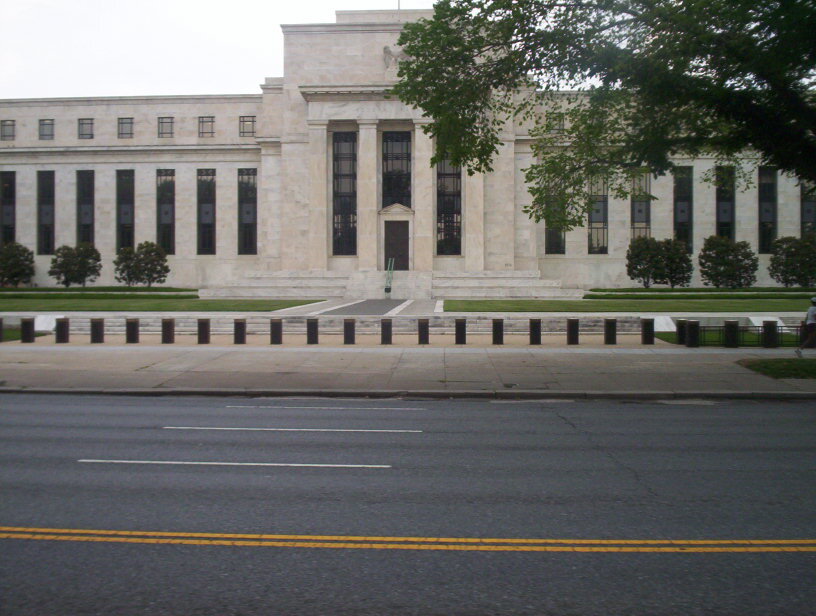
Unlike a single central bank, the Fed is a decentralized system with both public and private characteristics. This structure was designed to ensure its decisions are insulated from short-term political pressures while still being accountable to the public. It has three key parts: the Board of Governors, the 12 regional Federal Reserve Banks, and the Federal Open Market Committee (FOMC).
The Fed's Structure
At the top is the Board of Governors in Washington, D.C. This is the main governing body. It consists of seven members, known as "governors," who are appointed by the President and confirmed by the Senate. They serve long, 14-year terms that are staggered, meaning one term expires every two years. This design helps ensure continuity and independence.

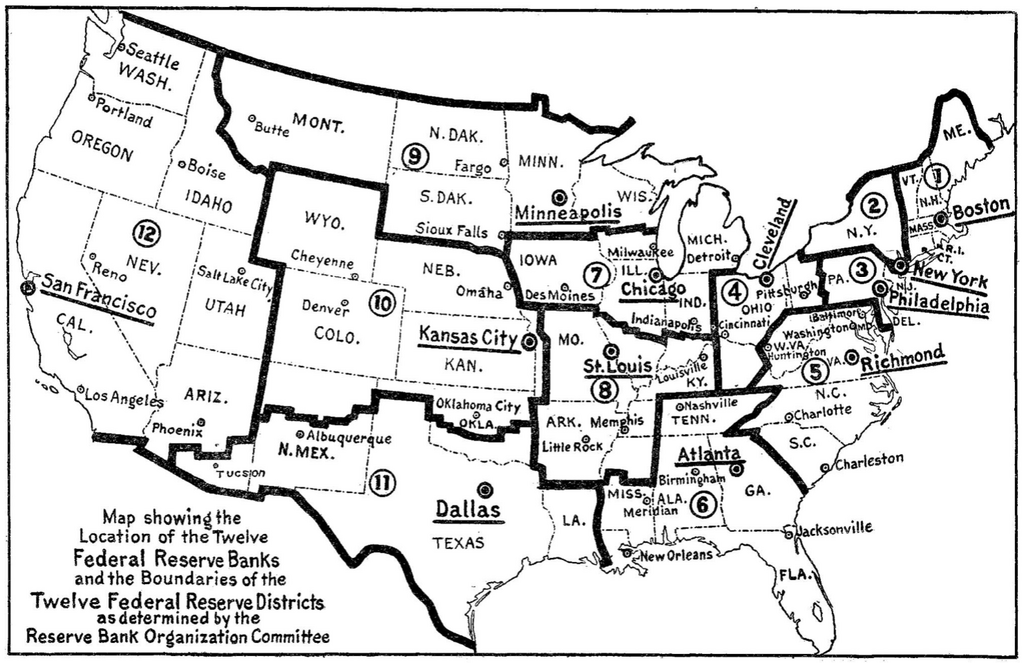
The system's operational arm consists of 12 regional Federal Reserve Banks. These banks are spread across the country in major cities like New York, Chicago, and San Francisco. Each one serves as a home base for the commercial banks in its district, providing financial services, supervising banks, and gathering local economic information. This regional presence helps the Fed understand and respond to economic conditions across the diverse U.S. economy.
Functions and Decisions
So, what does the Fed actually do? Its primary functions include supervising and regulating banks to protect consumers, maintaining the stability of the financial system, and providing financial services to banks, the U.S. government, and foreign official institutions. One of its most visible and impactful roles is conducting the nation's monetary policy.
That's where the Federal Open Market Committee (FOMC) comes in. This is the Fed's main policymaking body.
The FOMC is responsible for making key decisions about interest rates and the money supply in the U.S.
The committee has 12 voting members: the seven governors from the Board, the president of the Federal Reserve Bank of New York, and the presidents of four other regional banks who serve one-year terms on a rotating basis. The FOMC typically meets eight times a year to review economic and financial conditions and determine the appropriate stance of monetary policy. Its decisions can influence employment, inflation, and economic growth.
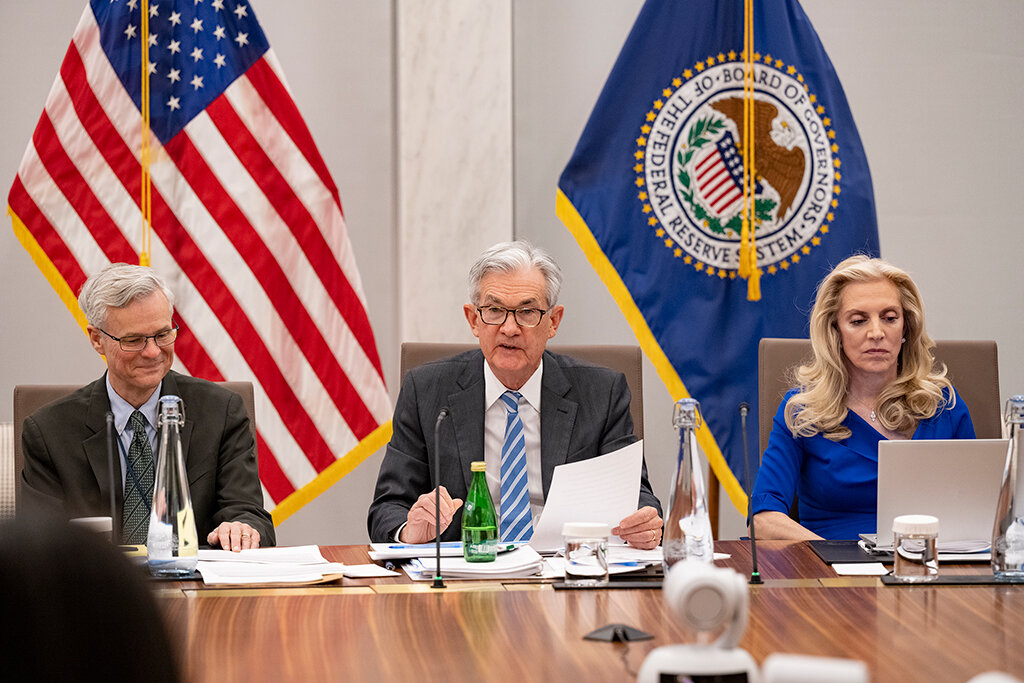
These three parts—the Board of Governors, the regional banks, and the FOMC—work together to carry out the Fed's mission for the U.S. economy.
Time to check your understanding of the Fed's structure and role.
What is the primary mission of the U.S. Federal Reserve System?
True or False: The seven members of the Board of Governors are appointed by the President and serve short, four-year terms to align with presidential elections.
Understanding this structure is the first step in seeing how the Fed's actions ripple through the economy, affecting everything from car loans to the stock market.