Interest Rates and Fed Policy
Understanding Interest Rates
The Price of Money
Think of money like any other good you can rent. If you need a car for a week, you pay a rental fee. If you need a place to live, you pay rent to a landlord. Interest is simply the rent you pay for using someone else's money.
Interest rates are the cost of borrowing money or the reward for saving it.
When you take out a loan, you're renting money from a bank. The interest is the fee you pay for that service. On the flip side, when you deposit money into a savings account, the bank is essentially renting your money. The interest they pay you is your reward for letting them use it. This concept isn't new; people have been calculating interest for centuries.
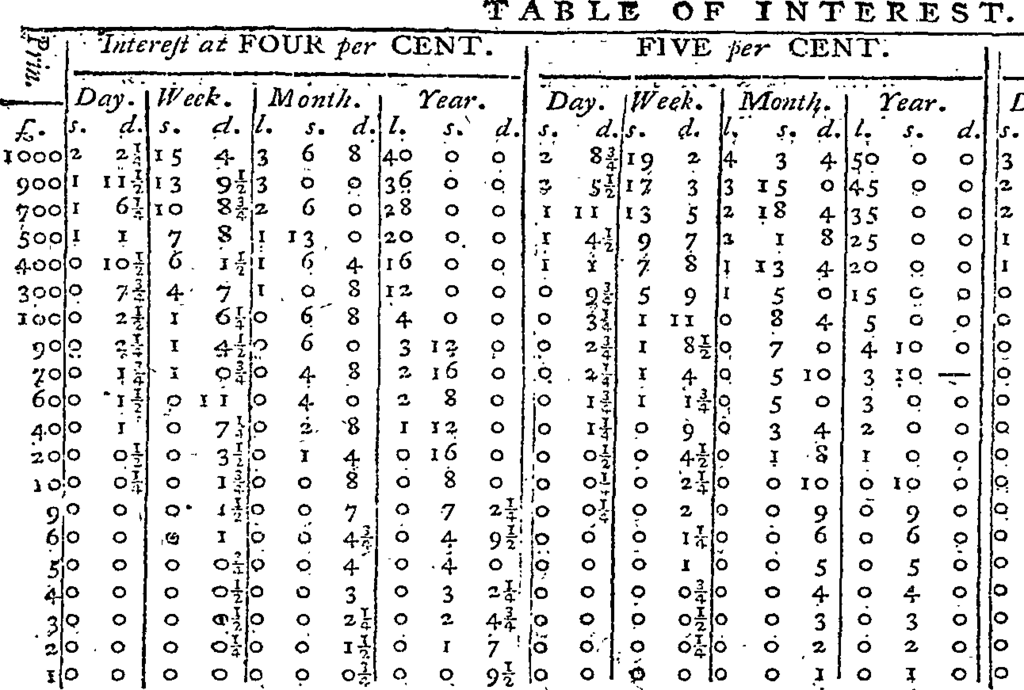
The specific amount of this "rent" is determined by the interest rate. It's almost always expressed as an annual percentage of the total amount borrowed or saved. For example, a 5% interest rate on a $1,000 loan means you'd pay $50 in interest over a year. A 2% interest rate on $1,000 in savings means you'd earn $20.
Interest Rate
noun
The percentage of a principal amount that is charged by a lender to a borrower for the use of assets, or paid by a bank to a depositor for funds held in a savings account.
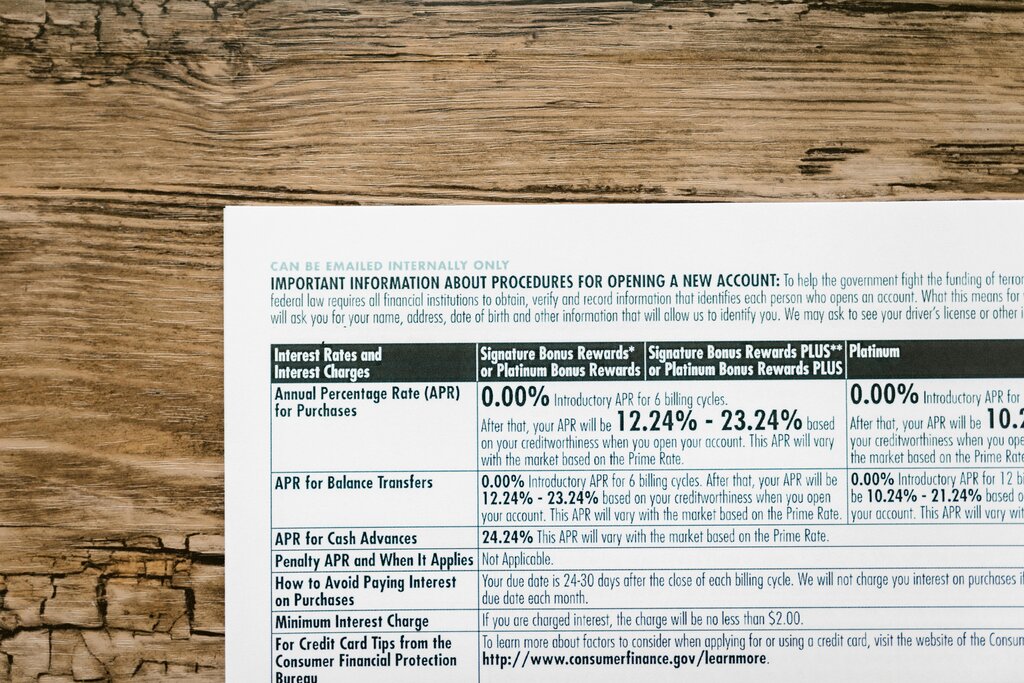
You'll encounter interest rates on all kinds of financial products, from mortgages and car loans to credit cards and student loans. Each one has a rate that reflects the terms of the agreement.
Nominal vs Real Rates
Not all rates are created equal. The number you see advertised on a loan or savings account is the nominal interest rate. It’s the straightforward, stated percentage. But it doesn't tell the whole story, because it ignores the effect of inflation.
Inflation is the rate at which the general level of prices for goods and services is rising, and subsequently, purchasing power is falling.
The real interest rate gives you a more accurate picture of your cost or earnings. It adjusts the nominal rate for inflation. Think about it this way: if your savings account earns 2% interest, but inflation is 3%, the prices of things you buy are rising faster than your savings are growing. Your money's actual purchasing power has decreased. The real interest rate shows you this change.
To get a rough idea of the real interest rate, you just subtract the inflation rate from the nominal interest rate.
If a car loan has a nominal rate of 6% and inflation is at 2%, the real interest rate you're paying is approximately 4%. This distinction is crucial for understanding the true cost of borrowing and the actual return on your savings.
What Makes Rates Change?
Interest rates aren't static. They fluctuate based on broad economic factors. The two biggest drivers are the health of the economy and inflation.
When the economy is strong, people and businesses are more confident. They borrow more money to buy homes, start companies, and expand operations. This higher demand for money pushes interest rates up. Conversely, in a weak economy, demand for loans falls, which tends to pull interest rates down to encourage borrowing and spending.
Inflation has a direct impact as well. If lenders expect high inflation, they will demand higher nominal interest rates on their loans. Why? They need to make sure the money they get paid back in the future has the same, if not more, purchasing power as the money they lent out today.
Central banks also play a major role through their monetary policy decisions, adjusting key rates to help manage inflation and support economic growth. These decisions ripple through the entire financial system, affecting the rates you see every day.
| Factor | Typical Effect on Interest Rates |
|---|---|
| High Inflation | Rates tend to increase. |
| Strong Economic Growth | Rates tend to increase. |
| Weak Economy | Rates tend to decrease. |
| Central Bank Policy | Can raise or lower rates. |
Understanding these forces helps explain why the interest rate on a mortgage or savings account can be so different from one year to the next.
Ready to test your knowledge?
What is the best analogy for interest?
The key difference between the nominal interest rate and the real interest rate is that the real rate is adjusted for what?
Interest rates are a fundamental part of our economy, influencing everything from the cost of a new car to the return on your savings.