Interest Rates and Economic Impact
Interest Rates
The Price of Money
At its core, an interest rate is the price of borrowing money. Think of it like a rental fee. If you borrow money, you pay a fee to the lender for using their funds. If you lend money, such as by putting it in a savings account, you earn a fee from the bank for letting them use your funds. This fee is the interest.
Interest
noun
A charge for the privilege of borrowing money, typically expressed as an annual percentage rate (APR).
When you take out a loan for a car, the interest rate determines how much extra you'll pay on top of the car's price. When you deposit money in a savings account, the interest rate determines how much your savings will grow over time. It's a fundamental concept that affects almost every aspect of finance.
What You See vs. What You Get
Not all interest rates are created equal. It's important to distinguish between two key types: nominal and real.
The nominal interest rate is the stated rate you see advertised. If a savings account offers a 5% interest rate, that's the nominal rate. It tells you how fast your money will grow in dollar terms.
The real interest rate gives you a better picture of your purchasing power. It adjusts the nominal rate for inflation. After all, if your savings grow by 5% but the prices of goods and services also increase by 3%, your actual gain in what you can buy is only 2%.
The real interest rate is what truly matters because it reflects the growth of your money's ability to buy things.
The relationship between them is straightforward. You subtract the inflation rate from the nominal rate to find the real interest rate.
If a loan has a nominal rate of 7% and inflation is 4%, the real interest rate the lender receives is approximately 3%. This distinction is crucial for understanding the true cost of borrowing and the actual return on savings.
Steering the Economy
Interest rates don't appear out of thin air. They are influenced by several factors, including the supply and demand for credit, economic conditions, and government policies. But the most powerful player in this arena is a country's central bank.
In the United States, this is the Federal Reserve, often called the Fed. Central banks don't directly set the interest rate for every loan and savings account. Instead, they control a key short-term interest rate, which then influences all other rates in the economy.
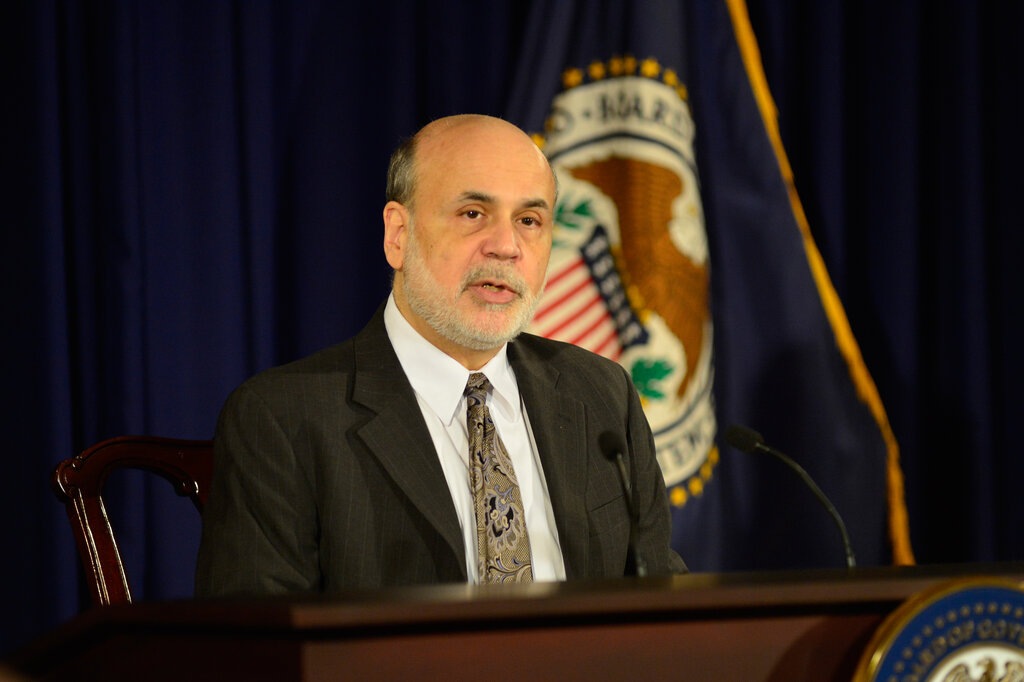
This key rate acts as a benchmark. For the Fed, it's the federal funds rate, the rate at which banks lend to each other overnight. When the Fed changes this target rate, it causes a ripple effect, impacting mortgage rates, car loans, credit card APRs, and business loans.
Central banks use interest rates to adjust the pace of economic growth, influence inflation, and steer economic expectations.
By adjusting this foundational interest rate, central banks use it as their primary monetary policy tool. When they want to cool down an economy that's growing too quickly, they might raise interest rates. This is known as tightening monetary policy. It makes borrowing more expensive, which can slow down spending.
Conversely, when they want to stimulate a sluggish economy, they might lower interest rates. This is called loosening or easing monetary policy. Lower rates make borrowing cheaper, encouraging businesses to invest and consumers to spend.
Let's check your understanding of these core concepts.
An interest rate can best be described as:
If a savings account has a nominal interest rate of 5% and the inflation rate is 3%, what is the approximate real interest rate?
Understanding what interest rates are, the different types, and how they are controlled is the first step in seeing how they shape the entire economic landscape.