Interconnected Realms: Placebo, Biology, and Art
Introduction to Placebo Effect
The Power of Belief
For centuries, physicians noticed a curious phenomenon. Some patients would feel better after receiving a treatment with no active medicinal ingredients, like a sugar pill. This observation led to the concept of the placebo effect: a measurable, observable, or felt improvement in health not attributable to an actual treatment. It's a powerful example of top-down influence, where the brain's expectations and beliefs directly alter the body's physiological state.
Placebo
noun
A substance or treatment which is designed to have no therapeutic value. Common placebos include inert tablets, inert injections, sham surgery, and other procedures.
Initially dismissed as mere imagination, we now know the placebo effect involves tangible neurobiological processes. It's not about fooling someone; it's about the brain activating its own internal pharmacy in response to a perceived treatment.
The Brain's Internal Pharmacy
When you believe a treatment will work, your brain can initiate real physiological changes. One of the primary mechanisms is the release of endogenous opioids. These are the body's natural painkillers, chemically similar to morphine. The expectation of pain relief can trigger their release, leading to genuine analgesia, or pain reduction.
This process demonstrates the brain's ability to regulate pain perception without any external chemical intervention. The belief itself becomes the catalyst for a biological effect.
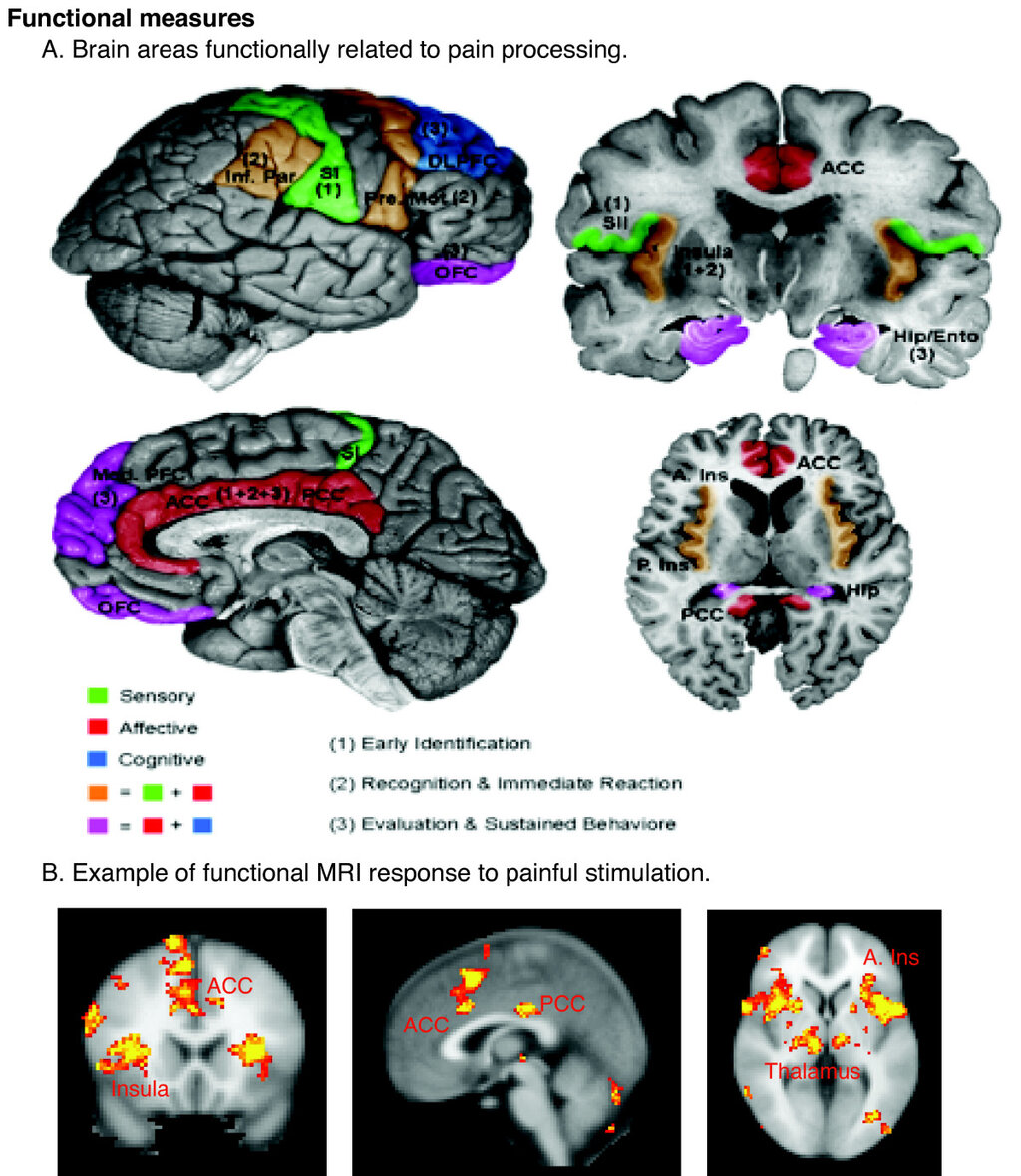
Several key brain regions orchestrate this response. The prefrontal cortex, the hub of higher-order thinking, is crucial for forming expectations. It assesses the situation—the doctor's words, the appearance of the pill, the clinical setting—and generates a belief about the likely outcome. This region then signals other parts of the brain.
The amygdala, heavily involved in processing emotions, also plays a role. It can modulate the emotional experience of pain. When you expect relief, the amygdala can help dial down the fear and anxiety associated with pain, further contributing to the overall feeling of wellness.
Placebo in Practice
Placebo analgesia is one of the most studied examples of this effect. In clinical trials for pain medication, a control group is often given a placebo. Consistently, a significant portion of this group reports a reduction in pain. This isn't just a subjective report; brain imaging studies show decreased activity in pain-processing regions of the brain, mirroring the effects of active painkillers.
The implications for medicine are profound. The placebo effect highlights the importance of the patient-provider relationship, the power of positive expectations, and the context in which treatment is delivered. It demonstrates that the mind and body are not separate entities but are deeply interconnected, with our thoughts and beliefs capable of producing powerful physical outcomes.
Placebo-activated opioids, for example, not only relieve pain; they also modulate heart rate and respiration.
Now, let's test your understanding of these concepts.
What is the best definition of the placebo effect?
Which brain region is primarily responsible for forming the expectations that initiate the placebo response?
Understanding the placebo effect is crucial for appreciating the complex interplay between mind and body in health and healing.