Interchange Pricing Explained
Introduction to Data Integration Platforms
The Central Hub for Your Data
Imagine trying to understand a customer. Your sales team has their purchase history in one system. The marketing team has data on which emails they open in another. And the support team has a record of their phone calls in a third. Trying to piece together a complete picture is a slow, manual, and error-prone process. Each system speaks a different language, and the data lives in isolated islands, or silos.
This is a common challenge for businesses of all sizes. Data is everywhere, but connecting it is hard. Data integration is the process of combining data from these disparate sources to create a single, unified view. A data integration platform is the tool that makes this happen automatically.
Think of it as a universal translator and central hub for all your company's information.
This platform connects to all your different data sources, pulls the information together, and often cleans and transforms it into a standard format. The result is a single source of truth that anyone in the organization can use.
Benefits of a Unified View
When data is no longer siloed, the entire business runs more effectively. Key decisions can be made with confidence because they are based on complete, accurate information. Instead of arguing about which department's numbers are correct, teams can focus on what the data is telling them.
The benefits are significant:
- Smarter Decision-Making: See the full picture of your operations, from sales trends to customer behavior, all in one place.
- Increased Efficiency: Teams spend less time hunting for data and more time using it. Automated data flows eliminate tedious manual work.
- Better Customer Insights: Understanding the entire customer journey allows for more personalized marketing, proactive support, and better product development.
- Higher Data Quality: The integration process itself is an opportunity to cleanse, validate, and standardize data, making it more trustworthy and reliable.
Cloud-Based Solutions
Historically, data integration required expensive, on-premise hardware and specialized teams to maintain it. Today, most data integration platforms are cloud-based. This makes them more accessible, scalable, and cost-effective.
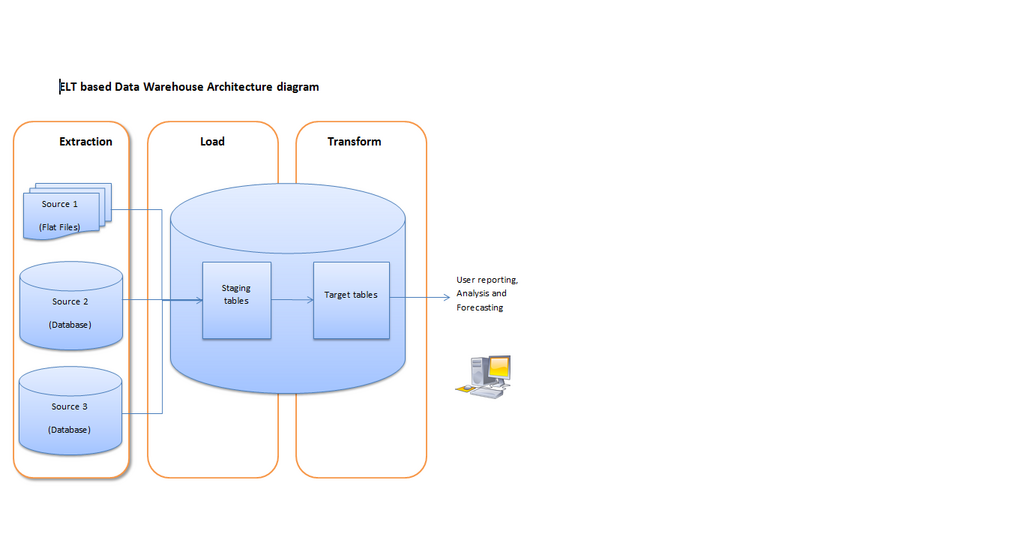
Cloud platforms can connect to hundreds of different applications, databases, and files, whether they are in the cloud or on a local server. They handle the complex work of data extraction, transformation, and loading (a process often called ETL or ELT) behind the scenes. This allows businesses to set up powerful data pipelines without needing a massive infrastructure investment.
By consolidating supply chain data in one unified platform, businesses can eliminate inefficiencies, streamline workflows, and make more informed decisions based on accurate, real-time data.
Ultimately, a data integration platform is a foundational piece of technology for any modern, data-driven organization. It turns scattered bits of information into a cohesive, strategic asset.
What is the primary problem that data integration is designed to solve?
True or False: A key benefit of data integration is that it can improve data quality.