Interaction Design Fundamentals
Understanding User-Centered Design
Putting People First
When you build something, who are you building it for? It’s a simple question, but the answer is the foundation of a powerful design philosophy: User-Centered Design, or UCD.
User-centric design (UCD) puts the needs, desires, and limitations of the user at the forefront of the design process.
Imagine hiring an architect to build your dream house. But instead of asking about your family, your lifestyle, or how you like your coffee in the morning, they just build a house they think is cool. You might end up with a house that’s technically impressive but completely wrong for you.
UCD is the opposite of that. It’s an approach where the entire design process revolves around the people who will actually use the product. It's about understanding their world, their challenges, and their goals before a single line of code is written or a single pixel is placed.
Core Principles of UCD
User-Centered Design isn't a strict set of rules, but a mindset guided by a few key principles.
Usability
noun
The ease with which a user can interact with a product or service to achieve a specific goal.
Involve users from the start. Don't wait until the end to see if people like what you've built. UCD involves talking to real users throughout the entire process, from brainstorming initial ideas to testing the final product. Their feedback is the compass that guides the project.
Focus on usability goals. A product isn't successful just because it works; it has to be usable. This means it should be easy to learn, efficient to use, and not frustrating. The goal is to create an experience that feels intuitive and effortless.
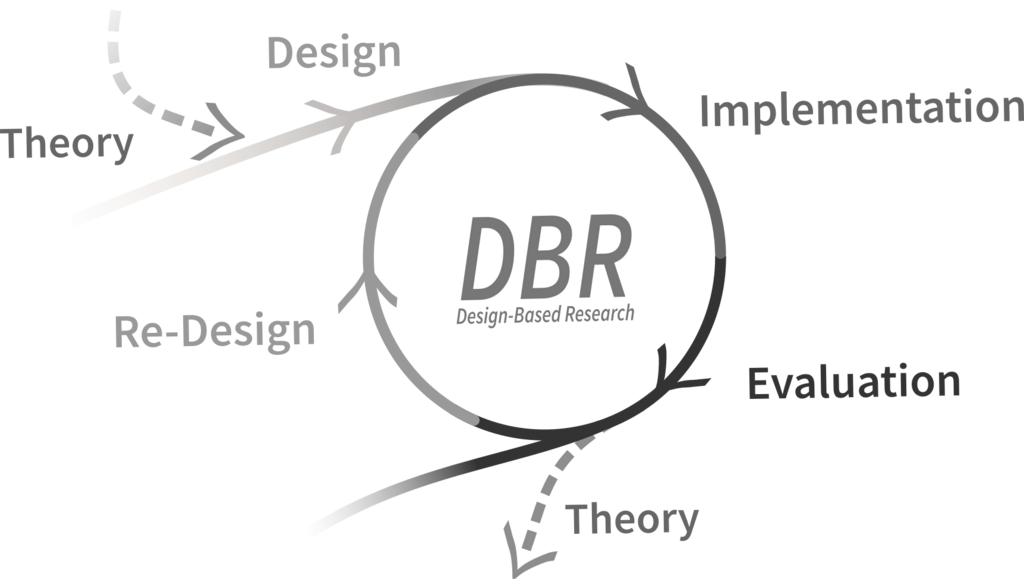
Test and iterate. The first draft is never the final draft. UCD is a cyclical process of designing, testing with users, gathering feedback, and refining the design. This loop continues until the product truly meets user needs.
The Payoff of a User-First Approach
Adopting a UCD approach requires effort, but the benefits are significant. When you build a product with a deep understanding of your users, you create something they genuinely want and need. This leads directly to higher user satisfaction and loyalty.
It also makes business sense. Fixing a fundamental design flaw after a product has been fully built and launched is incredibly expensive. UCD helps identify and solve these problems early in the process, saving time, money, and headaches.
Ultimately, User-Centered Design is about empathy. It's about stepping out of your own perspective and building solutions for others.
By understanding the people you're designing for, you can create products that are not only functional but also meaningful and enjoyable to use.
Let's check your understanding of these core ideas.
What is the primary focus of the User-Centered Design (UCD) philosophy?
According to UCD principles, when is the most effective time to gather feedback from users?
By keeping the user at the heart of the design process, you create products that don't just solve a problem, but do so in a way that feels natural and intuitive.