Interacting with AI Assistants
Introduction to Conversational AI
What Is Conversational AI?
At its core, conversational AI is technology that allows humans to talk with computers in a natural, human-like way. Instead of clicking buttons or typing rigid commands, you can simply speak or type as if you were talking to another person. The goal is to make our interactions with technology seamless and intuitive.
Think about the smart speakers in your home or the digital assistants on your phone. These are everyday examples of conversational AI at work. You ask a question, and it understands and responds.
This technology is a specific branch of artificial intelligence focused on understanding and processing human language to create a back-and-forth dialogue. It’s the engine behind chatbots that answer customer service questions and virtual assistants that can schedule your appointments or play your favorite song.
A Quick Trip Through Time
The idea of talking to computers isn't new. One of the earliest examples was a program from the 1960s called ELIZA. It simulated a conversation by recognizing keywords in a user's text and reflecting them back as questions, much like a therapist might. While groundbreaking, ELIZA didn't truly understand language; it was just a clever pattern-matcher.
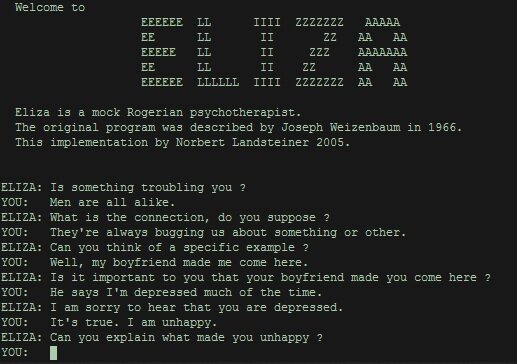
Early systems were mostly rule-based. Developers had to write explicit rules for every possible turn in a conversation. If you said something the programmer hadn't anticipated, the system would fail. This made conversations feel brittle and limited.
Over the decades, with massive increases in computing power and data, conversational AI has shifted from these rigid, rule-based systems to ones powered by machine learning. Modern systems can learn from vast amounts of text and speech data, allowing them to handle a much wider range of queries and sound far more natural.
How Does It Work?
Two key technologies make modern conversational AI possible: Natural Language Processing (NLP) and Machine Learning (ML).
Natural Language Processing
noun
A field of AI that gives computers the ability to read, understand, and derive meaning from human language.
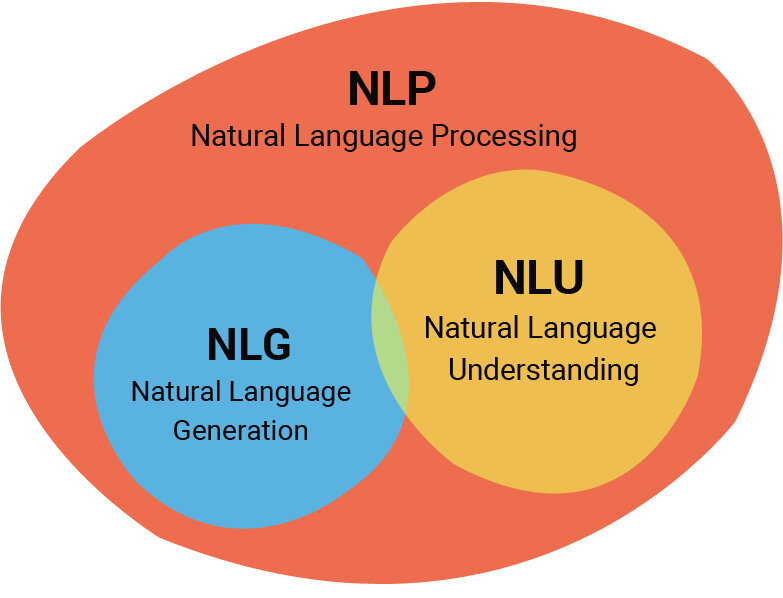
NLP itself can be broken down into two main parts:
-
Natural Language Understanding (NLU): This is the 'listening' part. NLU helps the machine decipher the intent behind what you said. For example, it figures out that "What's the weather like?" and "Do I need a jacket today?" are both asking for a weather forecast.
-
Natural Language Generation (NLG): This is the 'speaking' part. Once the AI understands your request, NLG formulates a grammatically correct and natural-sounding response.
Machine learning is the engine that powers NLP. Instead of being programmed with rules, ML models are trained on huge datasets of human conversations. This training allows them to learn the patterns, nuances, and context of language. The more data they process, the better they get at understanding and responding accurately.
Where We See It Today
Conversational AI is no longer a futuristic concept; it's integrated into many of the tools we use daily.
Virtual Assistants like Apple's Siri, Amazon's Alexa, and Google Assistant live on our phones, speakers, and even in our cars. They help us with simple tasks like setting alarms, sending texts, or getting directions, all through voice commands.
Chatbots are common on websites and in messaging apps. They provide automated customer support, answer frequently asked questions, help you book a flight, or track a package. This frees up human agents to handle more complex issues.
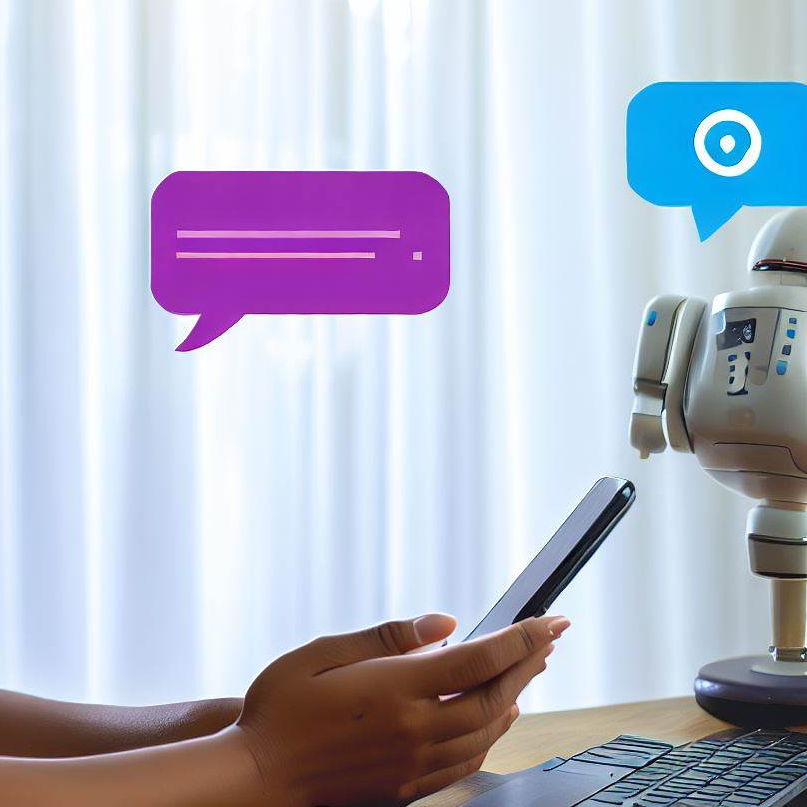
The impact of this technology on how we interact with computers is profound. We are moving away from needing to learn how a computer works (menus, commands, clicks) and toward a future where the computer learns how we work. This shift to a Natural User Interface, where we can use voice, gesture, and touch, makes technology more accessible and easier for everyone to use.
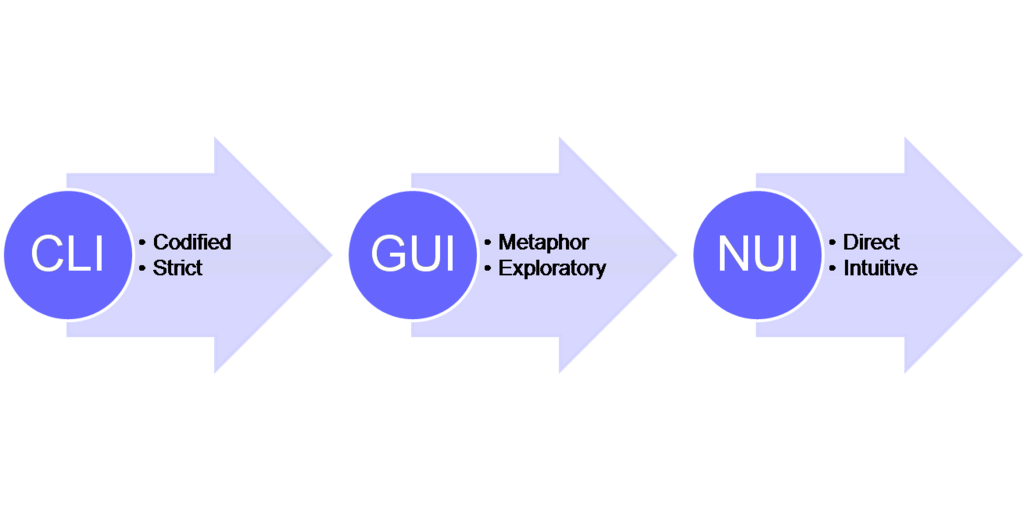
By allowing us to communicate with devices on our own terms, conversational AI is breaking down barriers and making technology a more helpful and integrated part of our lives.