Interacting with AI Agents
Introduction to Human-AI Interaction
What is Human-AI Interaction?
Human-AI Interaction, or HAI, is the study of how people and artificial intelligence systems work together. It's a field focused on making our communication with AI seamless, effective, and even enjoyable. Think of it as the bridge between human thought and machine processing.
Unlike a simple tool like a hammer, which always does the same thing, AI can learn, adapt, and make decisions. This creates a new kind of relationship. HAI explores how to design these interactions so that AI understands our needs and we understand its capabilities and limitations. The goal is to create a partnership where both human and machine can achieve more together than they could alone.
Effective HAI isn't just about giving commands. It's about creating a two-way dialogue between people and technology.
A Quick History Lesson
The way we interact with AI has changed dramatically over time. Early AI systems were rigid and based on strict rules. Interacting with them felt like using a complex calculator. You had to provide precise inputs in a specific format to get a predictable output. There was no room for error or ambiguity.
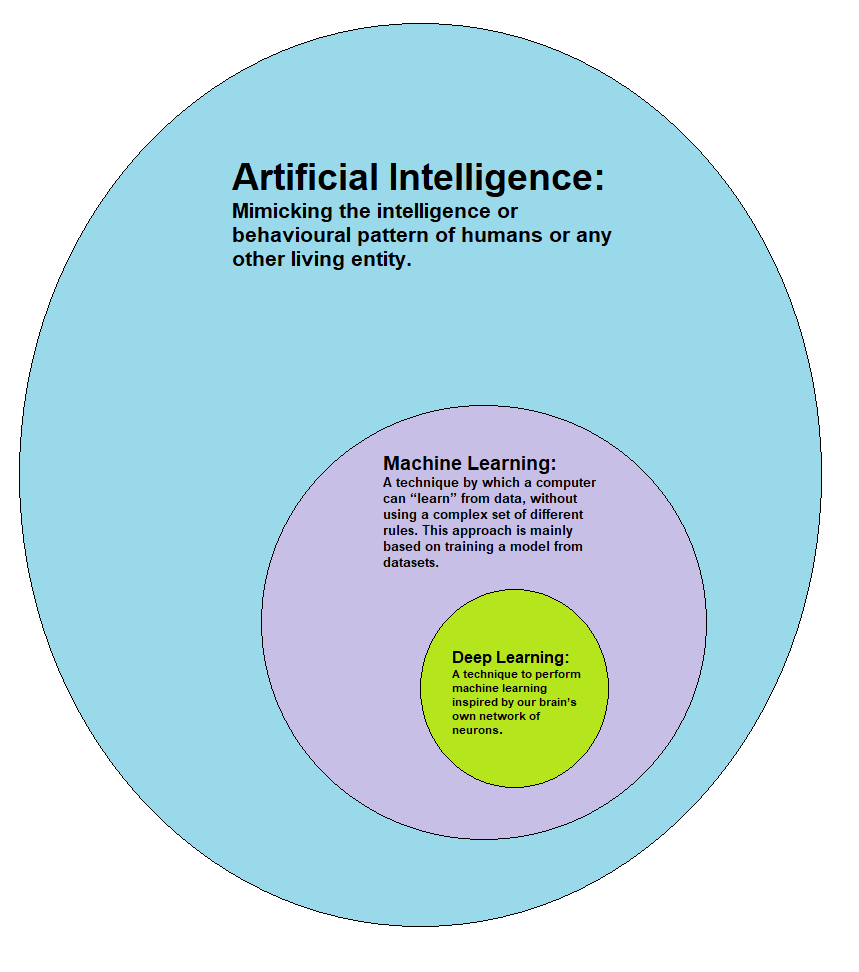
As AI evolved, so did our interactions. The rise of machine learning and deep learning introduced systems that could learn from data. This is the AI we're more familiar with today. Instead of just following rules, it recognizes patterns. This shift allows for much more natural forms of communication, like speaking to a virtual assistant or getting personalized recommendations. AI moved from being a purely computational tool to an integrated part of our daily activities.
Designing for People
The most effective AI systems are built with people in mind from the very beginning. This approach is called human-centered AI design. It prioritizes human needs, values, and experiences throughout the entire development process.
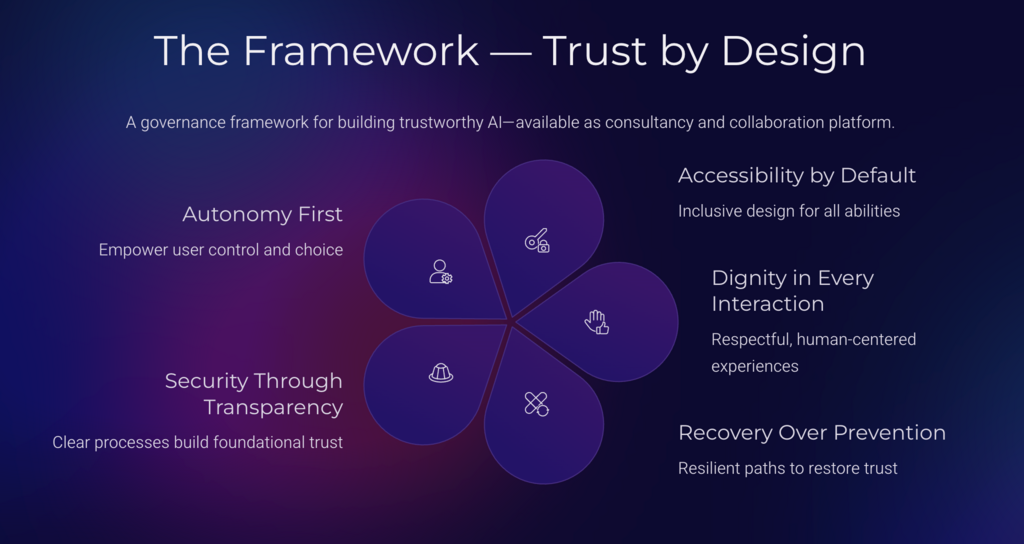
The core idea is to make AI intuitive and useful. A human-centered system should be easy to understand and control. Users should know what the AI is doing, why it's doing it, and how to correct it if it makes a mistake. This transparency builds trust, which is essential for any successful collaboration between humans and AI.
Maintaining a human-centric approach in AI development involves prioritizing human values, well-being, and autonomy.
Designing this way means focusing on complementing human abilities, not just automating tasks. An AI designed to help a doctor diagnose diseases, for example, shouldn't aim to replace the doctor. Instead, it should provide insights and analyze data in ways that enhance the doctor's expertise and lead to better patient outcomes.
The Ethical Side
As AI becomes more integrated into our lives, the ethical implications of our interactions with it become more important. Building AI responsibly requires us to think carefully about fairness, accountability, and privacy.
AI systems learn from data, and if that data reflects existing societal biases, the AI can perpetuate or even amplify them. For instance, an AI hiring tool trained on biased data might unfairly screen out qualified candidates from certain backgrounds. Ensuring fairness is a key challenge in HAI.
Accountability is another major concern. When an AI system makes a critical error, who is responsible? The user, the developer, or the company that deployed it? Establishing clear lines of responsibility is crucial for building trust. Finally, many AI systems rely on vast amounts of personal data to function. Protecting this data and respecting user privacy is a fundamental ethical obligation in the design of any AI system that interacts with people.
What is the primary goal of Human-AI Interaction (HAI)?
Human-centered AI design prioritizes complementing human abilities rather than simply automating tasks.
Thinking through these principles is the first step toward building AI that is not only powerful but also beneficial for everyone.