Intensive Care Physiology Essentials
Introduction to Critical Care Physiology
The Body's Balancing Act
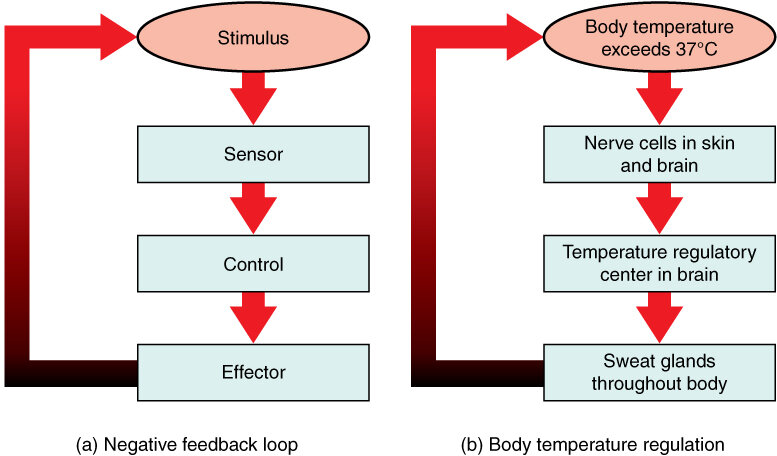
Your body is a finely tuned machine, constantly working to keep everything stable. This steady internal state is called homeostasis. Think of it like the thermostat in your house. If the temperature drops, the heat kicks on. If it gets too warm, the air conditioning starts. Your body does the same for temperature, blood sugar, oxygen levels, and countless other variables.
homeostasis
noun
The tendency of a system, especially the physiological system of higher animals, to maintain internal stability, owing to the coordinated response of its parts to any situation or stimulus that would tend to disturb its normal condition or function.
This balancing act relies on feedback loops. Most common are negative feedback loops, which work to counteract a change. When you get hot, you sweat to cool down. When your blood sugar rises after a meal, your pancreas releases insulin to bring it back to normal. In critical care, we're often dealing with situations where the body's ability to maintain homeostasis is overwhelmed by severe illness or injury.
Reading the Signs
So how do we know if the body is maintaining its balance? We look at vital signs. These are the most basic, critical indicators of life: heart rate, blood pressure, and respiratory rate. They provide a quick snapshot of how the body is functioning.
Each vital sign is tightly regulated. Your heart rate can speed up or slow down based on signals from the autonomic nervous system. The sympathetic division—your "fight-or-flight" system—accelerates it, while the parasympathetic division—"rest and digest"—slows it down. Blood pressure is more complex, involving the force of the heart's contractions, the flexibility of your arteries, and the volume of blood, all managed by signals from your brain and hormones. Your respiratory rate is primarily controlled by the brainstem, which senses carbon dioxide levels in your blood. Too much CO2, and it tells you to breathe faster.
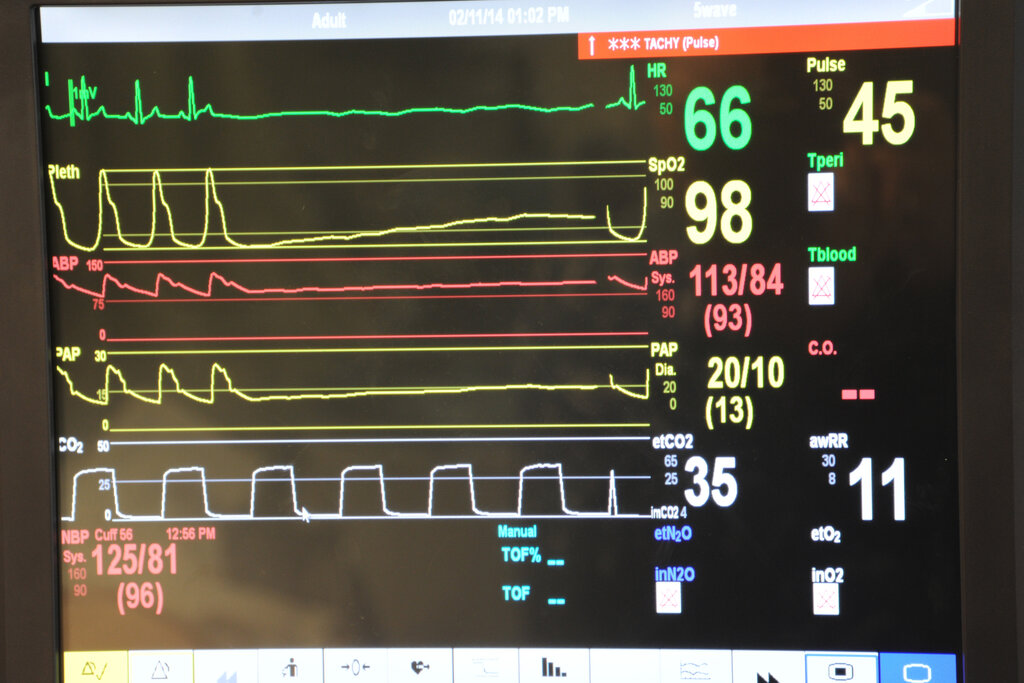
When a person is critically ill, these numbers can change rapidly. A fast heart rate might mean the body is fighting an infection or has lost blood. A drop in blood pressure could signal a serious problem with the heart or circulation. Monitoring these signs is fundamental to critical care.
The Internal Sea
About 60% of your body is water. This internal sea is filled with electrolytes, which are minerals with an electric charge, like sodium, potassium, and calcium. Every single cell in your body depends on the precise balance of water and electrolytes to function. They are essential for nerve impulses, muscle contractions, and hydration.
For example, your heart can't beat correctly without the right balance of potassium and calcium. Your nerves can't send signals without sodium. The kidneys are the master regulators of this delicate balance, filtering your blood to excrete or retain water and electrolytes as needed. In critical illness, this balance is often disrupted due to things like dehydration, kidney injury, or organ dysfunction, requiring careful management with IV fluids and medications.
Responding to Crisis
When the body faces a major stressor—like a severe injury, infection, or surgery—it kicks into survival mode. This is called a compensatory mechanism. The most well-known is the "fight-or-flight" response, driven by the sympathetic nervous system.
Your adrenal glands release hormones like adrenaline (epinephrine) and cortisol. Adrenaline instantly increases your heart rate and blood pressure, delivering more oxygenated blood to your muscles and brain. Cortisol helps release glucose into the bloodstream for a quick energy boost. This is a powerful, short-term survival tool.
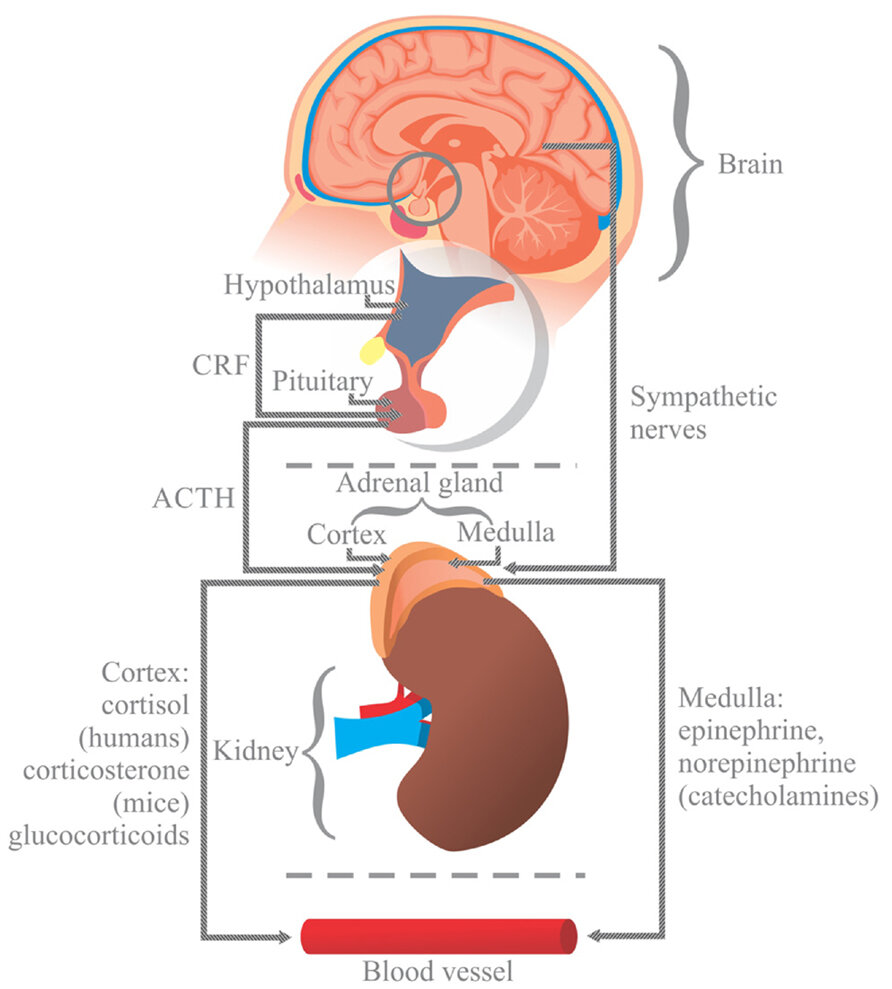
These mechanisms are designed to be temporary. In a prolonged critical illness, they can become exhausted or even cause harm. A constantly racing heart puts a strain on the muscle, and chronically high cortisol levels can impair the immune system. The goal of critical care is to support the body when its own compensatory mechanisms are failing, giving it a chance to heal.
Understanding these core principles—homeostasis, vital signs, fluid balance, and stress responses—is the foundation for managing critically ill patients.
Let's test your understanding of these foundational concepts.
What is the primary goal of homeostasis?
When you get hot, your body sweats to cool down. This is a classic example of:
By understanding how the healthy body works, we can better recognize when things go wrong and how to intervene effectively.