Intelligent AI Agents Explained
Introduction to AI Agents
What Are AI Agents?
Think about how you navigate the world. You see a red light, you stop. You feel a raindrop, you open an umbrella. You perceive your environment and take actions to achieve goals, like staying dry or not causing a traffic accident.
In the world of artificial intelligence, an AI agent does something very similar. It's a system designed to operate on its own to achieve a specific goal.
An AI agent can be broadly defined as a system that perceives its environment, processes data, and takes actions to achieve specific goals.
This cycle of perceiving, thinking, and acting is the foundation of any agent. Let's break down those first and last steps.
-
Perceiving: An agent uses sensors to gather information about its environment. For a robot, sensors might be cameras and microphones. For a stock-trading algorithm, the sensor is a feed of market data.
-
Acting: An agent uses actuators to perform actions. A robot's actuators are its motors, wheels, and grippers. The trading algorithm's actuators are the commands it sends to buy or sell stocks.
Why Agents Matter
The concept of an agent is powerful because it gives AI a body, so to speak. It moves AI from being a passive tool that just analyzes data to an active participant that can accomplish tasks in the real or digital world.
The key word here is autonomy. Agents are designed to work without constant human supervision. They make their own decisions based on what they perceive and what they're programmed to achieve. This ability to act independently is what makes them so useful in a huge range of applications.
Agents in the Wild
You probably interact with AI agents every day. A smart thermostat is a simple one. Its sensor detects the room temperature (the environment), and its actuator turns the heating or cooling system on or off to maintain your desired temperature (the goal).
Virtual assistants like Siri and Alexa are more complex agents. Their environment is your voice, and their sensors are microphones. They process your commands and act by speaking back, playing music, or controlling other smart home devices.
A self-driving car is an even more advanced example. It has a complex environment: the road, other cars, pedestrians, and traffic signals. It uses a suite of sensors—cameras, radar, GPS—to perceive this world. Its actuators are the car's steering, acceleration, and braking systems. The car's agent must constantly perceive, process, and act to achieve its goal of getting you safely to your destination.
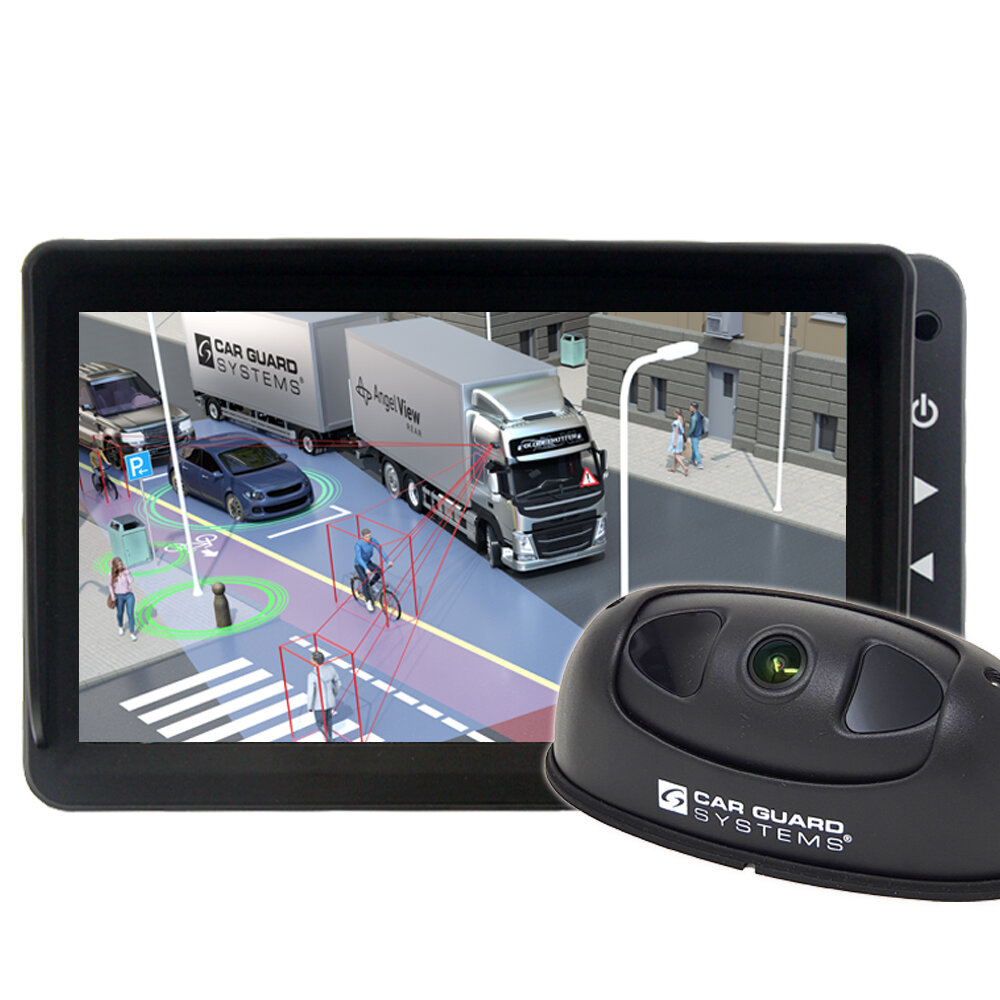
From managing your home's climate to navigating city streets, AI agents are the entities that put artificial intelligence into action.