Intelligence Studies Fundamentals
Introduction to Intelligence Studies
What Is Intelligence?
When you hear the word “intelligence,” you might picture spies in trench coats or high-tech command centers. While that's part of the picture, the field of intelligence studies is much broader. At its core, intelligence is about reducing uncertainty for decision-makers.
Intelligence
noun
Information that has been collected, processed, and analyzed to meet the specific needs of policymakers. It is not just raw data; it is knowledge applied to a purpose.
Think of a government leader who needs to make a critical decision about foreign policy, national security, or the economy. They need the best possible information to understand the situation, weigh the options, and anticipate the consequences. Intelligence provides that context. It's the processed information that helps leaders see the world more clearly, from understanding a rival nation's intentions to tracking global health threats.
A Brief History
The practice of gathering information on adversaries is as old as human conflict itself. Ancient rulers used scouts and envoys to report on enemy movements and political climates. Sun Tzu, in The Art of War, dedicated an entire chapter to the use of spies over 2,500 years ago.
However, the formal, organized intelligence agencies we know today are a more recent development. They largely emerged in the late 19th and early 20th centuries as nations built global empires and faced more complex international threats. World War I and World War II were major turning points, accelerating the development of code-breaking, aerial reconnaissance, and counterintelligence operations.
The Cold War cemented the central role of intelligence in international affairs. Agencies like the CIA in the United States and the KGB in the Soviet Union became powerful instruments of statecraft, engaging in a global contest for information and influence.
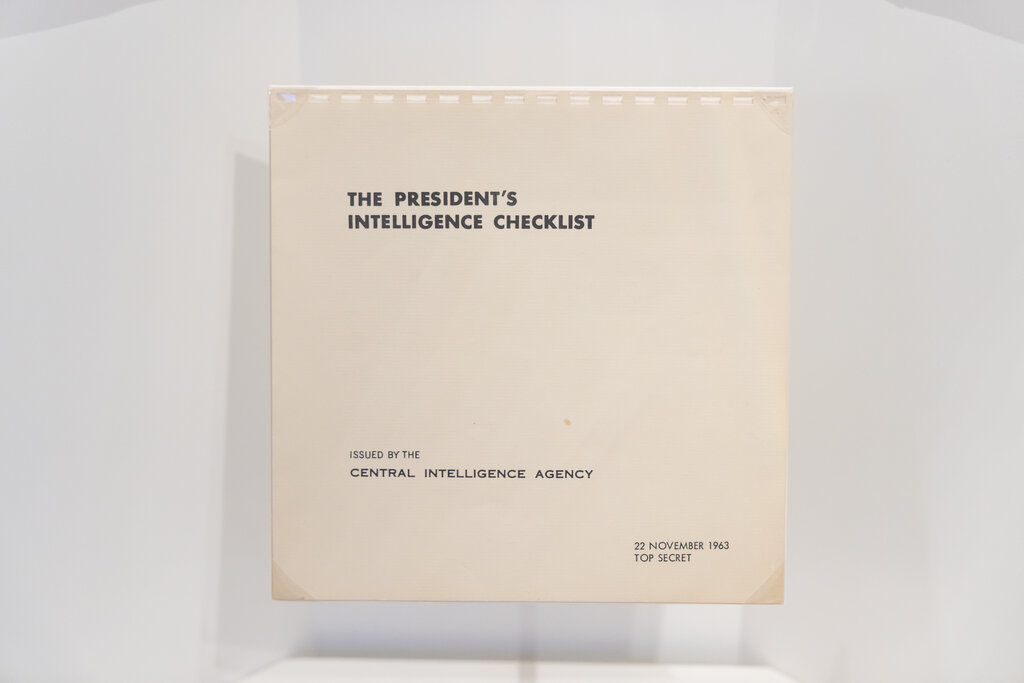
Today, intelligence work has expanded far beyond military and political conflicts to include challenges like terrorism, cyber threats, economic espionage, and climate change.
Roles and Functions
Intelligence agencies don't just collect secrets. Their work is a structured process designed to turn raw data into useful insights. This process is often described as the "Intelligence Cycle."
Here's a breakdown of the cycle:
- Planning & Direction: This is where it all starts. Policymakers ask questions and set priorities. What do we need to know? Intelligence managers translate these needs into a concrete collection plan.
- Collection: Agencies gather raw information from various sources. This is the part of the job that often gets glamorized in movies, but it's a meticulous and often tedious process.
- Processing & Exploitation: Raw data isn't useful on its own. It needs to be converted into a usable format. This could mean translating foreign language documents, decrypting coded messages, or organizing satellite imagery.
- Analysis & Production: This is the crucial thinking stage. Analysts take the processed information, look for patterns, connect the dots, and assess its meaning and significance. They produce reports, briefings, and assessments that answer the original questions from policymakers.
- Dissemination: The finished intelligence product is delivered to the people who need it, from presidents and generals to diplomats and economic advisors.
Ethics and Law
Intelligence work operates in a world of secrets, which creates unique ethical and legal challenges. Democratic societies, in particular, face a constant tension between the need for secrecy to protect national security and the principles of transparency and accountability that underpin their governments.
Laws and oversight mechanisms are created to govern intelligence activities. These frameworks are designed to ensure that agencies operate within the bounds of the law, respect citizens' rights, and are accountable to elected officials. They dictate what agencies can and cannot do, especially when it comes to collecting information on their own citizens.
The central ethical question in intelligence is how to balance the need to acquire information for the collective good with the rights and privacy of individuals.
This balancing act is never easy and is the subject of constant public debate. Issues like surveillance, data privacy, and the use of covert action force societies to confront difficult questions about security, liberty, and the proper role of government.
According to the provided text, what is the fundamental purpose of intelligence?
An agency has just received a raw, encrypted message in a foreign language. The act of decrypting the message and translating it into English falls into which stage of the Intelligence Cycle?
Understanding these foundational concepts provides a framework for exploring the more complex and specialized aspects of the intelligence world.