Intellectual Self-Defense and Information Hygiene
Understanding Information Overload
The Digital Deluge
Ever felt like you're trying to take a sip from a firehose? That's a pretty good description of navigating the modern world. We're constantly flooded with news, emails, social media updates, and notifications. There's more information available at our fingertips than any previous generation could have imagined. But having access to everything doesn't always feel like a good thing. It can be exhausting.
This feeling of being overwhelmed by a constant stream of content has a name: information overload. It happens when the amount of information we're trying to process exceeds our brain's capacity to handle it. Instead of becoming more informed, we end up feeling stressed, confused, and less able to make clear decisions.
information overload
noun
A state of being overwhelmed by the amount of information one has to process, leading to difficulty in making decisions and understanding issues.
What Causes the Flood?
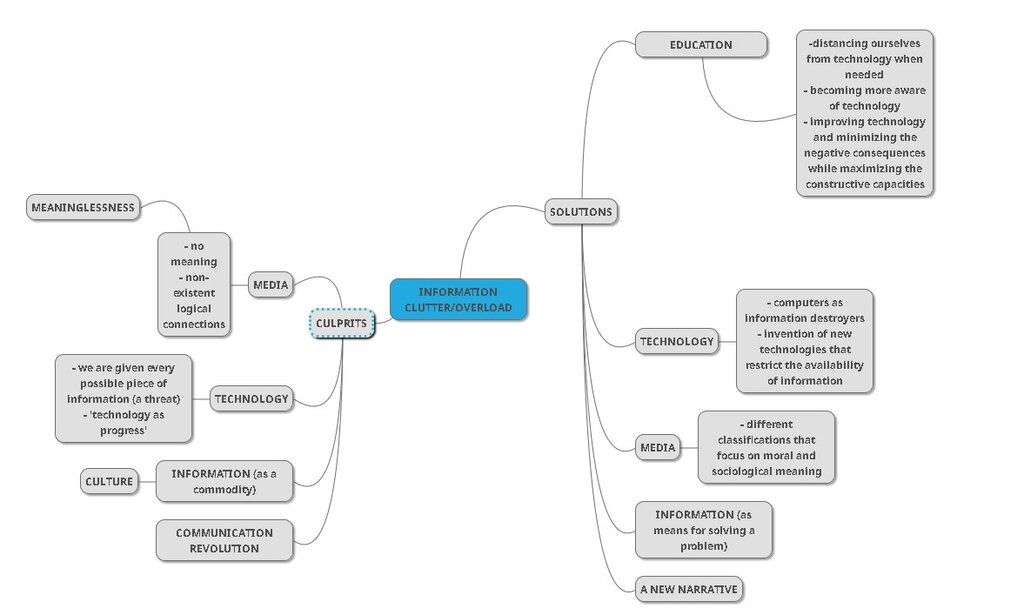
The primary driver of information overload is technology. The internet, smartphones, and social media have created a world where information is produced and shared at a staggering rate. The 24-hour news cycle means we're never far from breaking stories, and our social feeds are endless rivers of updates, opinions, and advertisements.
Digital platforms are a huge part of this. They are designed to capture and hold our attention. Algorithms learn what we like and show us more of it, creating personalized feeds that are hard to look away from. Notifications constantly pull us back to our devices, interrupting our focus and adding to the mental clutter.
Every notification, email, and alert is a tiny demand on your attention. Individually they're small, but together they create a constant state of distraction.
The Price of Too Much
Our brains aren't built to handle this constant barrage. When we're overloaded, our cognitive functions start to suffer. One of the most common effects is decision paralysis. Faced with too many options or too much data, we freeze up and struggle to make a choice. Think about trying to pick a movie on a streaming service with thousands of titles, it can sometimes feel impossible.
Our attention spans also take a hit. When we're constantly switching between tasks and scanning headlines, our ability to focus deeply on a single topic diminishes. This makes complex problem-solving and learning more difficult.
Clutter overwhelms your brain with too much information, which reduces focus, increases stress, and triggers decision fatigue.
The impact isn't just cognitive; it affects our mental well-being, too. The pressure to stay informed and connected can lead to anxiety and stress. Comparing our lives to the curated highlights we see on social media can affect self-esteem. The feeling of never being able to catch up can be mentally draining, leading to burnout.
Recognizing the symptoms of information overload is the first step. When you feel overwhelmed, it's a sign that your brain is telling you it's time to step back and manage your information intake.
What is the best definition of "information overload"?
According to the provided text, what is the primary driver of information overload today?
Understanding what information overload is and how it affects us is crucial in today's digital world. By being aware of its causes and consequences, we can begin to think about how to navigate this landscape more mindfully.