Intellectual Property Essentials
Introduction to Intellectual Property
What Is Intellectual Property?
Think about the things you own: a phone, a book, a bicycle. These are all physical property. You can hold them, see them, and lock them up to keep them safe. But what about ideas? An invention, a story, a logo, or a secret recipe? These are also valuable creations, but you can't put them in a safe. They come from the human mind. This is where intellectual property, or IP, comes in.
Intellectual Property
noun
Creations of the mind, such as inventions; literary and artistic works; designs; and symbols, names and images used in commerce.
IP laws are designed to protect these intangible creations, just like other laws protect your physical belongings. By giving creators exclusive rights to their work for a period of time, these laws encourage people to invent, write, and create. It gives them a chance to benefit from their hard work, fostering a culture of innovation.
However, it's a careful balance. The goal isn't just to reward creators, but also to enrich society. After a certain time, many of these creations enter the public domain, where anyone can use and build upon them. This system aims to create a world where new ideas can flourish, benefiting everyone.
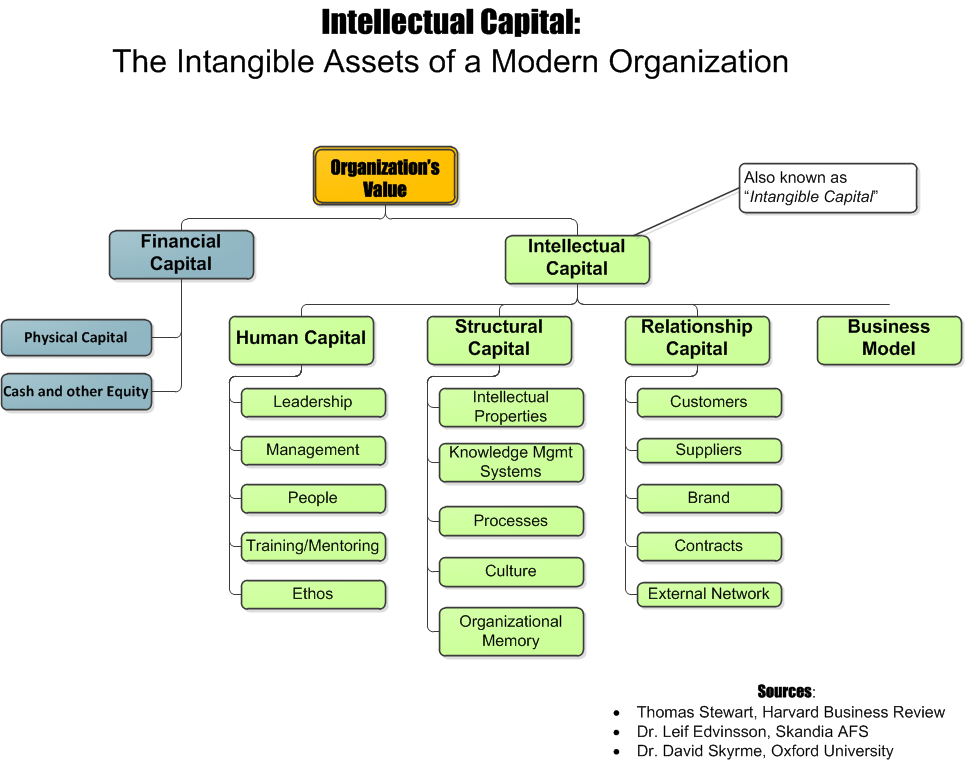
The Main Types of IP
Intellectual property isn't a one-size-fits-all concept. Different types of creations require different kinds of protection. The four main categories you'll encounter are patents, copyrights, trademarks, and trade secrets.
| Type | Protects | Example |
|---|---|---|
| Patent | Inventions and new processes | A new type of smartphone touchscreen |
| Copyright | Original creative works | A novel, a song, or a photograph |
| Trademark | Brand names, logos, and slogans | The Nike "swoosh" logo |
| Trade Secret | Confidential business information | The formula for Coca-Cola |
Each type serves a unique purpose. A patent protects the functional aspect of an invention. Copyright covers the expression of an idea, not the idea itself. A trademark protects the symbols and names that distinguish one company's goods from another's. And a trade secret keeps valuable, non-public information safe.
A well-balanced system of granting and exploiting intellectual property rights is a factor in economic growth as it encourages investment and trade, but if designed and used appropriately, it can also help cultural creativity to thrive, educate a population or workforce, drive technological innovation to improve health and nutrition and yield other social benefits as well.
Let's review the main concepts.
Ready to check your understanding?
What is the primary purpose of intellectual property (IP) laws?
An author writes a novel. Which form of intellectual property protects the specific text and expression of the story?
Understanding these basic building blocks of IP is the first step in navigating the world of innovation and creativity.