Intel Gaudi vs NVIDIA GPU Deep Learning Performance
Introduction to AI Accelerators
The Need for Speed
Modern artificial intelligence models are computational beasts. Training a large language model or an image recognition system involves billions, sometimes trillions, of mathematical operations. A standard computer processor, or CPU, is a jack-of-all-trades. It's designed to handle a wide variety of tasks, from running your operating system to browsing the web. But when it comes to the highly specific, repetitive calculations needed for AI, a CPU can become a bottleneck.
Think of a CPU as a master chef who can cook any dish you ask for. An AI accelerator is like a specialized, high-tech pizza oven. The chef can make a pizza, but the oven can make thousands of them, perfectly and incredibly fast. For the massive 'pizza party' that is AI training, you need the specialized oven.
This is where AI accelerators come in. They are specialized pieces of hardware built for one primary purpose: to run AI computations as quickly and efficiently as possible. Instead of handling tasks one by one, they are designed for parallel processing, tackling thousands of calculations simultaneously.
AI accelerators are specialized hardware components, including Graphics Processing Units (GPUs), Tensor Processing Units (TPUs), Field-Programmable Gate Arrays (FPGAs), and Application-Specific Integrated Circuits (ASICs), designed to optimize and speed up AI workloads.
Powering Modern AI
The breakthroughs in AI we've seen over the last decade, from natural language processing to self-driving cars, wouldn't have been possible without these accelerators. They are the engines of deep learning and high-performance computing (HPC), allowing researchers and companies to train increasingly complex models on enormous datasets.
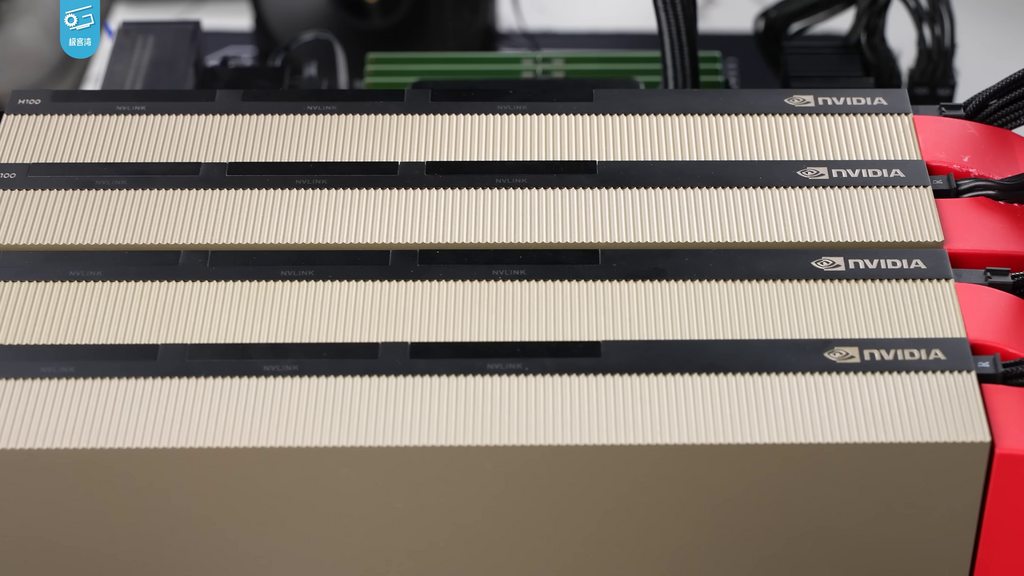
The benefits are significant. Accelerators drastically reduce the time it takes to train an AI model, cutting it down from months to weeks or even days. They also perform these calculations more efficiently, which means they consume less power. This combination of speed and efficiency makes developing and deploying powerful AI applications feasible for a wider range of organizations.
AI models require high-performance computing (HPC) to process vast datasets. With AI workloads consuming 10x more computing power than traditional IT applications, enterprises are shifting to GPUs, TPUs, and AI accelerators for faster processing.
The Key Players
While many companies are entering the AI hardware space, a few major players currently dominate the market. These tech giants design the chips that power data centers and AI research labs around the world.
| Manufacturer | Key Accelerator(s) |
|---|---|
| NVIDIA | GPUs (e.g., H100) |
| TPUs (Tensor Processing Units) | |
| Intel | Gaudi Accelerators, GPUs |
| AMD | GPUs (e.g., Instinct series) |
| Amazon (AWS) | Trainium & Inferentia chips |
Each of these manufacturers has a different approach, creating a competitive and rapidly evolving landscape. Their innovations are constantly pushing the boundaries of what's possible with artificial intelligence. As we'll explore next, understanding the differences between these hardware options is key to building effective AI systems.
What is the primary reason a standard CPU is often a bottleneck for training large AI models?
The key architectural feature that allows AI accelerators to perform AI computations so effectively is their ability to handle thousands of calculations at once. This is known as ______ processing.