Integrative Floodplain Management
Introduction to Floodplain Management
What is a Floodplain?
When you think of a river, you probably picture the channel of water itself. But rivers need more room than just their banks. The flat land alongside a river that gets covered in water during a flood is called a floodplain. It’s a natural part of the river system.
Floodplains aren't just empty land waiting to get wet. They serve several vital functions. During heavy rains or snowmelt, they act like natural sponges, soaking up and storing excess water. This process slows the water down and reduces the height of flood peaks downstream, protecting communities further along the river.
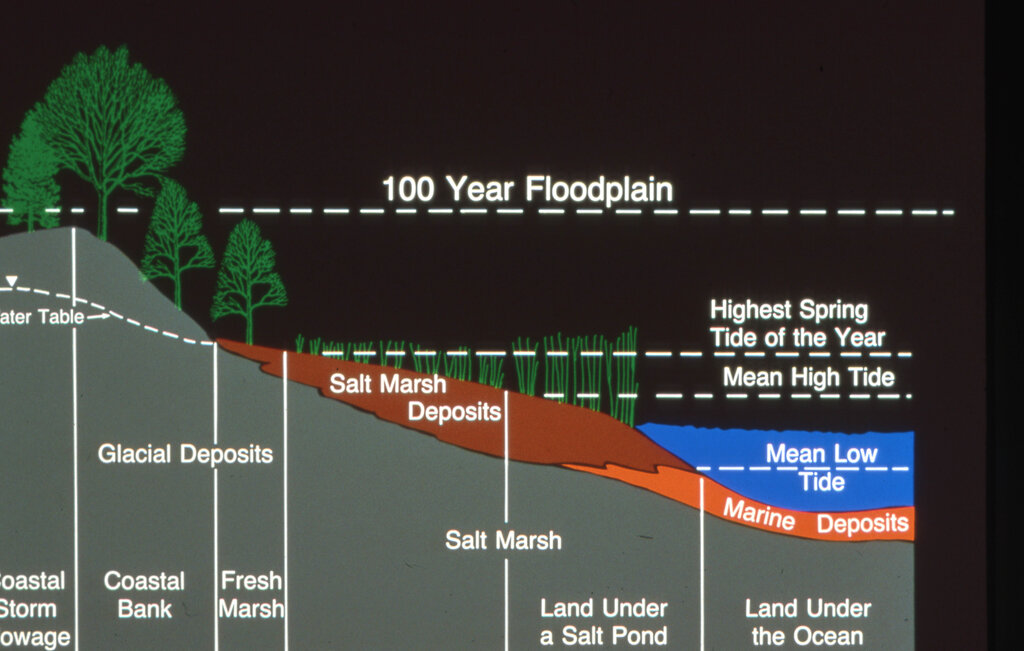
They also act as natural filters. As floodwater spreads out over the plain, its velocity drops, allowing sediment and pollutants to settle out. This cleans the water and deposits nutrient-rich soil, creating fertile ground for agriculture and lush habitats for wildlife. Marshes and wetlands within floodplains are especially important for fish, birds, and other animals.
A Shift in Thinking
For a long time, the primary approach to managing floodplains was to try and control the river. We built high walls, called levees, to keep water in its channel. We constructed dams to hold back floodwater, and we straightened and dredged rivers to move water away as quickly as possible. This was an era of fighting the river.
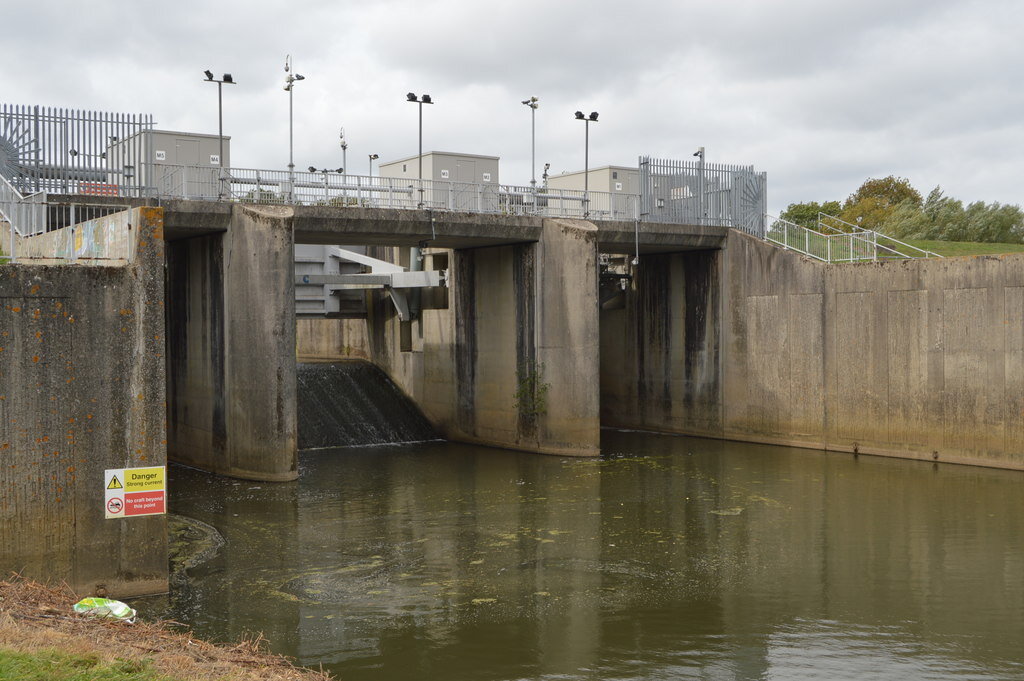
These structural solutions can be effective, but they have drawbacks. They often create a false sense of security, encouraging development in high-risk areas. When these structures fail or are overtopped by an extreme flood, the resulting damage can be catastrophic. By disconnecting the river from its floodplain, we also lose all the natural benefits like water storage, filtration, and habitat creation.
This old approach treated the floodplain as a problem to be solved, rather than a valuable asset to be managed.
Working with the River
Today, the focus has shifted toward a more balanced strategy called integrated floodplain management. The goal isn't just to stop floods at all costs. It's about finding a way to reduce flood risk while also protecting and restoring the natural functions of floodplains.
This approach balances multiple, sometimes competing, objectives.
Integrated management might involve using a mix of strategies. This could mean preserving existing wetlands, restoring parts of the floodplain to give the river more room, and adopting smarter land-use policies that guide new construction away from the most hazardous areas. It’s about working with the river system, not just against it.
This approach recognizes that floodplains are a valuable part of our landscape. When managed wisely, they can provide flood protection, support healthy ecosystems, and offer beautiful spaces for communities to enjoy. Time to check what you've learned.
What is the primary role of a floodplain during periods of heavy rain or snowmelt?
Building high levees to contain a river can be a flawed long-term strategy because it often encourages development in high-risk areas and...
By understanding the role of floodplains and adopting an integrated approach, communities can become more resilient to flooding while enhancing their natural environment.