Integrated Survival and Tactical Blade Arts
The Feeder Mindset
Feeder vs. Receiver
In any survival scenario, there are two mindsets: the Receiver and the Feeder. The Receiver is passive. They wait for the environment to act upon them. They react to cold, to thirst, to danger. Their actions are always a step behind the unfolding situation.
The Feeder is different. This mindset, drawn from the principles of Sayoc Kali, is about proactive control. The Feeder doesn't wait for problems to arise; they anticipate and neutralize them. They impose their will on the environment, dictating the flow of events rather than being swept along by them. This isn't about needless aggression. It's about taking initiative to ensure survival, whether in a remote wilderness or a chaotic urban emergency.
The Receiver reacts to the world. The Feeder makes the world react to them.
Proactive Priorities
You already know the Rule of Threes: survival is a race against time, measured in minutes for air, hours for shelter, days for water, and weeks for food. A Receiver uses this rule as a checklist for emergencies as they happen. When they feel cold, they think about shelter. When their throat is dry, they look for water.
A Feeder applies the Rule of Threes proactively. They see the setting sun and the dropping temperature and secure shelter before exposure becomes a threat. They identify and purify a water source before dehydration sets in. This approach transforms a reactive guideline into a strategic, forward-looking plan. The goal is to solve the problem before it becomes a crisis.
| Survival Need | Receiver's Reaction | Feeder's Proactive Action |
|---|---|---|
| Shelter (3 Hours) | "It's getting cold and dark. I need to find shelter now." | "The sun sets in 90 minutes. I will build a debris hut in that spot." |
| Water (3 Days) | "I'm really thirsty. Where can I find water?" | "That line of green vegetation suggests a water source. I'll confirm and purify it." |
| Food (3 Weeks) | "I'm starving. I have to find something to eat." | "I am setting snares and identifying edible plants as I move." |
Training Situational Awareness
Adopting the Feeder mindset requires you to retrain your brain. It starts with heightened situational awareness, which is more than just looking around. It is an active process of analysis and prediction. You must begin 'logging' reflexive responses—in yourself and in others. What makes a person flinch? What sounds draw their immediate attention? What visual cues cause them to change their path? By observing these automatic reactions, you learn to predict behavior and identify potential threats or opportunities before they fully materialize.
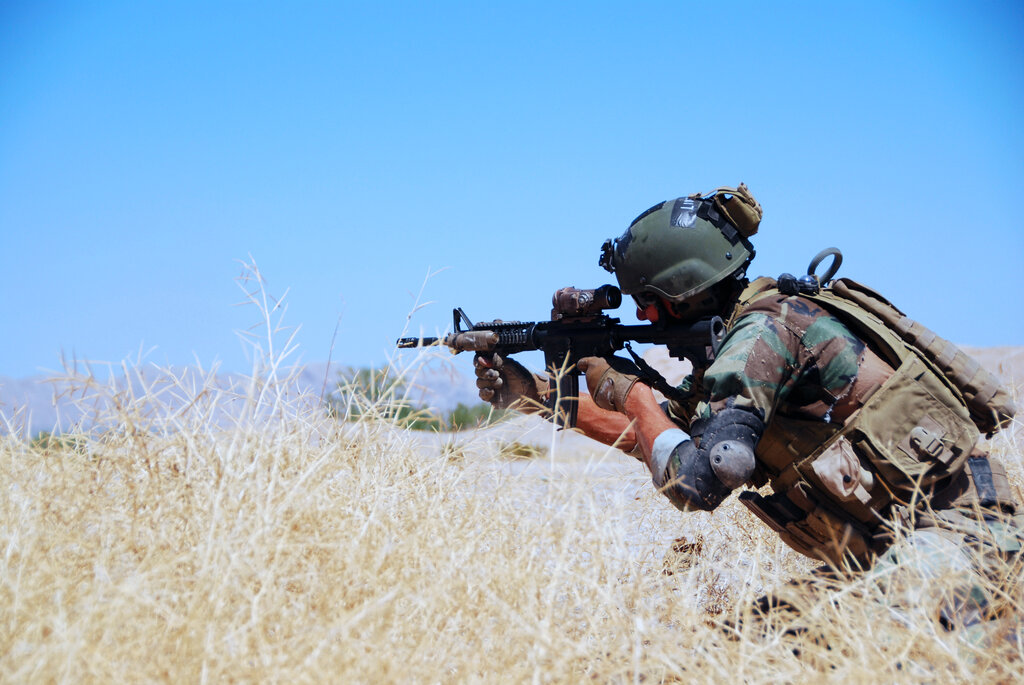
This leads to 'Thought Provocation,' a method for making knowledge stick under pressure. Rote memorization fails in high-stress situations. Instead, you must forge a powerful, memorable connection to critical information. Don’t just memorize that a particular mushroom is poisonous. Imagine the violent sickness you would experience after eating it. The visceral, emotional link ensures you will never forget.
This mental training is the foundation for the 'Elimination of Equipment' philosophy. When you can anticipate needs, read an environment, and retain information under duress, your brain becomes the primary tool. Your hands become the implements. You shift from depending on store-bought gear to relying on your own resourcefulness. The Feeder knows that the most important survival tool is the one you can never lose: your mind.
What is the core difference between the Receiver and Feeder mindsets in a survival situation?
How does a Feeder apply the 'Rule of Threes' differently than a Receiver?
The Feeder mindset is a continuous cycle of observation, anticipation, and action. It's a fundamental shift from being a passenger in a crisis to being the pilot.