Integrated Solid Waste Management Fundamentals
Introduction to Solid Waste Management
What Is Solid Waste?
Simply put, solid waste is anything we discard that isn't a liquid or a gas. It's the garbage, trash, and rubbish from our homes, schools, and businesses. Think of the empty pizza box from last night, the old phone you just replaced, or the grass clippings from mowing the lawn. All of it is solid waste.
Because waste comes from so many different places, it helps to classify it. This allows us to manage it safely and effectively. The main categories are based on its source and the potential risk it poses.
| Classification | Description | Examples |
|---|---|---|
| Municipal Solid Waste (MSW) | Everyday items discarded by the public. Also known as trash or garbage. | Food scraps, packaging, paper, old furniture, clothes. |
| Industrial Waste | Waste generated by manufacturing and industrial processes. | Chemicals, scrap metal, construction debris, power plant ash. |
| Hazardous Waste | Waste that is dangerous or potentially harmful to our health or the environment. | Batteries, pesticides, old electronics, medical waste. |
| Agricultural Waste | Waste produced from farming and livestock operations. | Crop residues, animal manure, pesticide containers. |
Sources and Composition
Waste is a byproduct of virtually all human activity. Residential areas produce a lot of food waste and packaging. Commercial businesses like restaurants and offices generate paper, cardboard, and food scraps. Industrial sites produce everything from leftover construction materials to hazardous chemical byproducts.
The exact mix of materials in our waste stream changes depending on where we live, the time of year, and our consumption habits. But generally, organic materials like paper and food make up the largest share.
Why Proper Management Matters
For much of history, waste was simply dumped in open pits or tossed into rivers. As populations grew and cities became more crowded, this created massive problems. Unmanaged waste piles attract pests like rats and insects, which can carry and spread diseases.
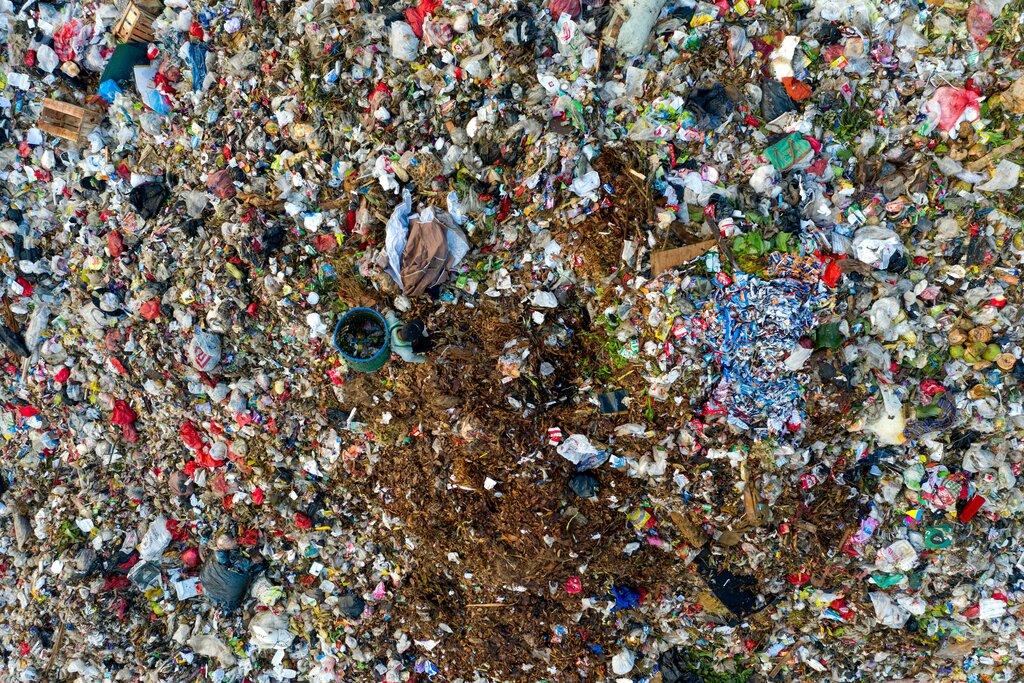
Beyond direct health risks, poor waste management has serious environmental consequences. When rainwater trickles through the garbage in a landfill, it picks up harmful chemicals and pollutants. This toxic liquid, known as leachate, can seep into the ground and contaminate our soil and drinking water sources.
Leachate
noun
A contaminated liquid produced when water percolates through waste in a landfill. It contains dissolved and suspended materials that can pollute groundwater and surface water.
Decomposing organic waste in landfills also releases methane, a potent greenhouse gas that contributes to climate change. Effective waste management helps protect public health, preserve our natural environment, and conserve valuable resources that would otherwise be buried forever.
A Brief History of Trash
The concept of systematically managing waste is relatively new. In ancient cities, waste was often just thrown into the streets. It wasn't until the mid-19th century, when scientists began to understand the link between sanitation and diseases like cholera, that cities started organizing waste collection.
The first municipal trash collection systems in Europe and North America were driven by public health crises. Keeping cities clean was directly tied to keeping citizens healthy.
Early methods were crude, often involving dumping waste in a designated area outside the city or incinerating it in open fires, which created air pollution. The modern sanitary landfill, designed to contain waste and prevent environmental contamination, became the standard in the mid-20th century. Since then, the focus has shifted toward reducing the amount of waste we send to landfills in the first place, through methods like recycling and composting.
Now that we've covered the basics of what solid waste is and why we manage it, let's review the key terms.
Ready to check your understanding?
Which of the following best defines solid waste?
What is the toxic liquid called that forms when rainwater filters through garbage in a landfill?
Understanding these fundamental concepts is the first step toward exploring the more advanced strategies and technologies used in integrated solid waste management.