Integrated Management System Auditing
Introduction to Management Systems
A Framework for Success
A management system isn't a piece of software or a complicated algorithm. It's a framework of policies, processes, and procedures that an organization uses to manage its operations and achieve its goals. Think of it as a blueprint for a well-run house. The blueprint ensures the foundation is solid, the wiring is safe, and the plumbing works, leading to a reliable and high-quality home.
These systems help organizations do things right, consistently. They provide a structured way to handle tasks, from manufacturing a product to delivering a service. The core idea behind most management systems is a cycle of continuous improvement.
This is known as the Plan-Do-Check-Act (PDCA) cycle. An organization plans what it wants to do, does it, checks the results to see if the plan worked, and then acts on that information to make improvements. This simple loop is the engine that drives progress.
ISO 9001: The Pursuit of Quality
The most well-known management system standard is ISO 9001, which focuses on quality. A Quality Management System (QMS) based on ISO 9001 helps an organization ensure its products and services consistently meet customer expectations. It's about building quality into every step of the process, not just inspecting for defects at the end.
The goal of ISO 9001 is simple: happy customers who trust your brand and keep coming back.
The benefits are clear. Businesses with a strong QMS tend to be more efficient, make fewer mistakes, and have higher customer satisfaction. Key principles include a strong customer focus, commitment from leadership, a systematic approach to processes, and a drive for continual improvement.
Standardized Processes: ISO 9001, a widely adopted quality management standard, requires documented procedures, ensuring that every process—from manufacturing to customer service—meets the same high bar.
ISO 14001: Protecting the Planet
Next is ISO 14001, the standard for Environmental Management Systems (EMS). An EMS provides a framework for an organization to manage its environmental responsibilities. This isn't just about avoiding fines; it's about systematically reducing your environmental footprint.
Organizations use ISO 14001 to identify and control their environmental impacts, such as pollution, waste generation, and energy consumption. The benefits go beyond compliance. An effective EMS can lead to reduced waste, lower energy costs, and an improved public image as a sustainable business.
Key principles of ISO 14001 involve a commitment to environmental protection, fulfilling compliance obligations, and achieving environmental objectives. Like ISO 9001, it is built on the foundation of continuous improvement.
ISO 45001: Keeping People Safe
Finally, there's ISO 45001, which deals with Occupational Health and Safety (OH&S) Management Systems. Its single most important goal is to prevent work-related injury and illness. An OH&S system helps an organization provide a safe and healthy workplace for its employees and visitors.
This standard requires an organization to proactively identify workplace hazards and assess risks, then take action to eliminate or minimize them. It's not just about reacting to accidents after they happen; it's about creating a culture of safety where risks are controlled before they can cause harm.
A key feature of ISO 45001 is its emphasis on worker participation. The people doing the work are often the ones who best understand the risks, so their involvement is crucial.
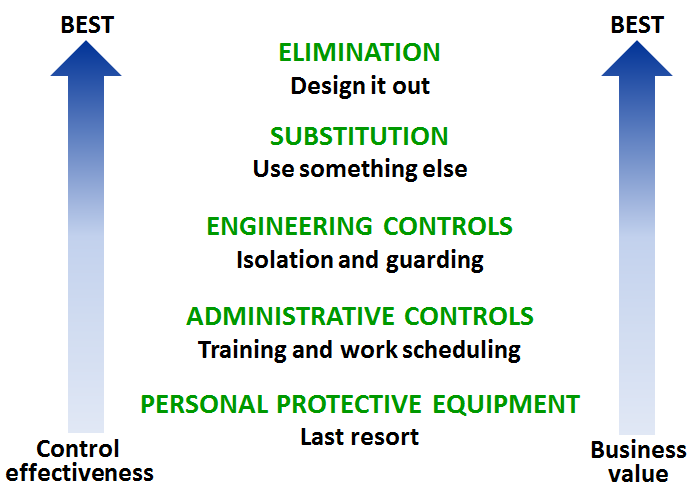
The benefits of a strong OH&S system are immense, from protecting people's lives and well-being to reducing costly downtime and improving employee morale. Core principles include leadership commitment, hazard identification, and a focus on continual performance improvement.
Let's test your understanding of these core management systems.
What is the fundamental purpose of a management system within an organization?
The continuous improvement cycle at the core of most management systems is known as Plan-Do-____-Act.
Together, these three standards form a powerful toolkit for any organization looking to improve its performance, protect its people, and care for the environment.