Integrated Human Physiology and Body Systems
Homeostatic Feedback Loops
The Architecture of Stability
Your body is a master of maintaining balance, a state called homeostasis. This isn't a static condition but a dynamic process managed by feedback loops. Think of it like the climate control in your house. You set a desired temperature (the set point), a thermometer (the sensor) monitors the actual temperature, and a control unit (the integrator) compares the two. If it's too cold, the integrator tells the furnace (the effector) to turn on. When the set point is reached, the integrator tells the furnace to shut off.
In your body, this architecture is constant. Receptors in your skin and blood vessels act as sensors, your brain and spinal cord often serve as integrators, and muscles or glands are the effectors that carry out the necessary changes. This sensor-integrator-effector trio is the fundamental structure behind nearly every regulatory process keeping you alive.
Negative Feedback
The vast majority of homeostatic control is managed by negative feedback loops. The name says it all: the system's response negates, or reverses, the original stimulus. When your body gets too warm, it sweats to cool down. When your blood pressure drops, your heart rate increases to bring it back up. The goal is always to return the system to its stable set point.
Consider blood glucose regulation. After a meal, your blood sugar rises. Specialized cells in your pancreas (the sensor and integrator) detect this change and release insulin. Insulin acts as a signal to effectors—your liver, muscle, and fat cells—prompting them to absorb glucose from the blood. As glucose levels fall, insulin secretion slows down. This is a classic negative feedback loop.
But what happens if you skip a meal? If blood glucose falls too low, a different set of pancreatic cells releases another hormone, glucagon, which tells the liver to release stored glucose, raising blood sugar levels back to the normal range.
The concept of a "set point" isn't always rigid. Sometimes, the body intentionally shifts it. During an infection, your raises the body's temperature set point, inducing a fever. This higher temperature can inhibit bacterial growth and enhance immune cell activity. In this case, feeling cold and shivering are actually homeostatic mechanisms trying to raise your body's temperature to the new, elevated set point.
Speed vs. Stamina
To carry out these feedback loops, the body relies on two major communication systems: the nervous system and the endocrine system. They often work together, but they have different strengths.
The nervous system provides rapid, targeted communication. Think of pulling your hand away from a hot stove. Sensory neurons send a signal to the spinal cord, which immediately instructs motor neurons to contract your muscles. The entire process is over in a fraction of a second. It's incredibly fast but the effects are short-lived.
The endocrine system, which uses hormones released into the bloodstream, is built for slower, more sustained responses. Hormones travel throughout the body and can affect many different organs simultaneously. The stress response, mediated by the and hormones like cortisol, is a perfect example. It takes minutes to ramp up and its effects can last for hours, preparing the body for a prolonged challenge.
| Feature | Nervous System | Endocrine System |
|---|---|---|
| Signal | Electrical impulses & Neurotransmitters | Hormones |
| Pathway | Neurons | Bloodstream |
| Speed | Milliseconds | Seconds to hours |
| Duration | Very brief | Long-lasting |
| Target | Specific cells (e.g., one muscle) | Widespread (many organs) |
When Stability Means Pushing Forward
While negative feedback is about stability, positive feedback is about amplification. In these rare but crucial loops, the output enhances the original stimulus, pushing the system further and further away from its starting state until a specific outcome is achieved. It creates an explosive, self-reinforcing cycle.
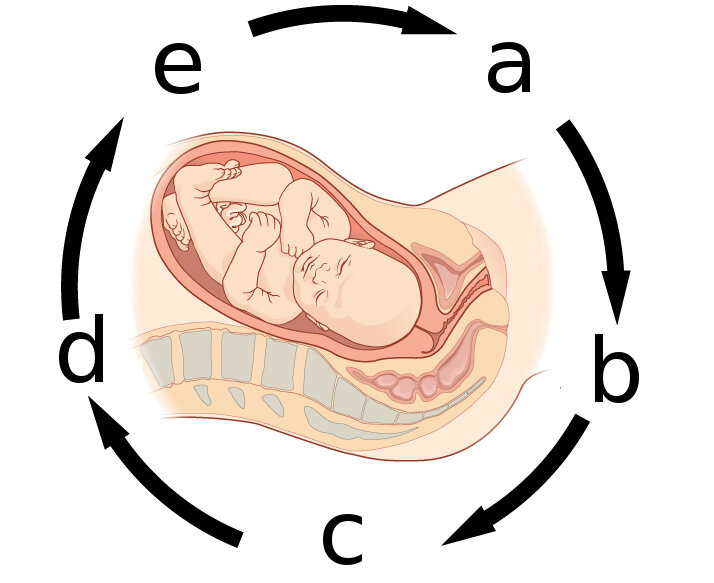
Childbirth is the textbook example. As the baby's head pushes against the cervix, stretch receptors send signals to the brain. The brain responds by releasing the hormone from the pituitary gland. Oxytocin travels to the uterus and stimulates stronger contractions, which push the baby's head even harder against the cervix. This cycle intensifies until the baby is born, at which point the stimulus (cervical stretching) is removed and the loop stops. Other examples include blood clotting, where initial platelet activation triggers a cascade that recruits more and more platelets to seal a wound.
An Integrated Response to Crisis
Most real-world challenges require multiple systems to work in concert. Take metabolic acidosis, a dangerous condition where the blood becomes too acidic. This can happen from conditions like kidney failure or uncontrolled diabetes. The body doesn't rely on a single feedback loop to fix this; it mounts a coordinated, multi-system defense.
First, chemoreceptors (sensors) in the brainstem and major arteries detect the drop in pH. This triggers an immediate neural response from the respiratory center (integrator).
-
The Fast Response (Respiratory): The integrator signals the diaphragm and rib muscles (effectors) to increase the rate and depth of breathing. This expels more carbon dioxide (CO2). Since CO2 forms carbonic acid in the blood, removing it quickly raises blood pH, partially compensating for the acidosis within minutes.
-
The Slow, Powerful Response (Renal): The kidneys (also effectors) provide a more definitive solution. Over hours to days, they increase their excretion of hydrogen ions (H+) into the urine and reabsorb more bicarbonate (HCO₃⁻). is the body's primary chemical buffer, and replenishing it directly neutralizes the excess acid.
This layered response highlights the elegance of homeostasis. A fast, neural mechanism provides an immediate patch, while a slower, more robust endocrine/renal mechanism works on a permanent solution.
What are the three core components of a homeostatic feedback loop?
After eating a large meal, your blood glucose levels rise. In response, your pancreas releases insulin, which causes your cells to absorb glucose, lowering your blood sugar back to normal. This entire process is an example of: