Insurance Sales Mastery
Understanding Insurance Fundamentals
What Is Insurance?
At its core, insurance is a way to manage risk. It's a formal agreement, called a policy, where you pay a regular fee to a company. In exchange, the company promises to pay you a sum of money if a specific, unexpected bad thing happens.
Policy
noun
A contract between an insurer and an individual or entity, which determines the claims that the insurer is legally required to pay.
Think of it like a neighborhood fund. Imagine everyone on your street puts a small amount of money into a shared pot each year. If one person's house has a fire, they can use the money from the pot to rebuild. Everyone contributes a little, so no single person has to face a devastating financial loss alone.
Insurance companies do this on a massive scale. They collect payments, called premiums, from many people. This large pool of money is then used to pay for the losses of the few who file a claim. This concept is known as risk pooling.
Managing Life's Risks
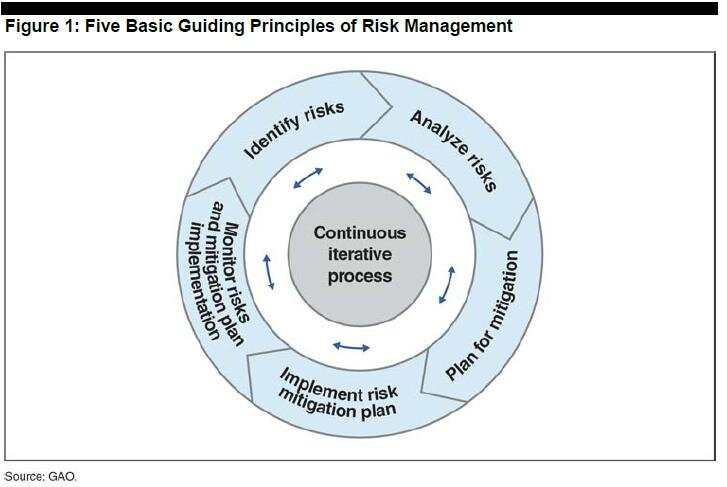
We all face potential risks. A car accident, a health emergency, or damage to your home can create huge, unexpected expenses. Risk management is the process of identifying these potential problems and figuring out how to handle them. While you can try to avoid or reduce risks, you can't eliminate them entirely. This is where insurance comes in. It's a strategy for transferring the financial impact of a potential loss to an insurance company.
Instead of bearing the full cost of a disaster yourself, you transfer the bulk of that financial risk to an insurer.
Common Types of Insurance
Insurance comes in many forms, each designed to protect against different kinds of risks. While there are policies for almost anything you can imagine, most people will encounter four main types.
| Insurance Type | What It Covers | Who Might Need It |
|---|---|---|
| Life Insurance | Provides a payment to your loved ones if you pass away. | Anyone with dependents (like children or a spouse) who rely on their income. |
| Health Insurance | Helps pay for medical expenses, like doctor visits, hospital stays, and prescriptions. | Everyone. Medical costs can be incredibly high without coverage. |
| Auto Insurance | Covers damage to your vehicle and liability for any injuries or damage you cause in an accident. | Anyone who owns and operates a vehicle. It's legally required in most places. |
| Property Insurance | Protects your home and belongings from events like fire, theft, or natural disasters. This includes homeowners and renters insurance. | Anyone who owns or rents a home. |
Each of these categories has many variations. For example, life insurance can be temporary (term life) or last your entire life (whole life). The best policy for you depends on your personal circumstances, what you need to protect, and your budget.
Insurance and Your Financial Plan
A solid financial plan isn't just about saving and investing. It's also about protecting what you have. Insurance is the defensive part of your financial strategy. It acts as a safety net that keeps your financial goals on track when things go wrong.
Without insurance, a single unexpected event could wipe out your savings. Imagine you've been saving for years to buy a house. A serious car accident could lead to medical bills and car repairs that drain your down payment fund. With health and auto insurance, those costs are largely covered, and your savings remain protected.
In this way, insurance provides peace of mind. It allows you to build for the future, knowing you have a shield against financial catastrophes that are out of your control.

Now, let's review the key terms we've covered.
Ready to check your understanding?
What is the primary purpose of insurance?
The concept of collecting small fees from many people to cover the large losses of a few is known as:
By understanding these basics, you can see how insurance works as a fundamental tool for protecting yourself, your family, and your financial future.