Insulin and Thyroid Hormones Explained
Insulin Basics
The Body's Sugar Manager
Your body runs on sugar, specifically a simple sugar called glucose. But having too much or too little glucose in your blood can cause serious problems. To manage this delicate balance, your body produces a special molecule called insulin.
Insulin
noun
A hormone produced in the pancreas that regulates the amount of glucose in the blood.
Insulin is a peptide hormone, which means it's a small protein. Think of it like a tiny messenger made of amino acids strung together. Specifically, it has two chains, an A-chain and a B-chain, linked by chemical bridges called disulfide bonds. This intricate structure is crucial for its function.
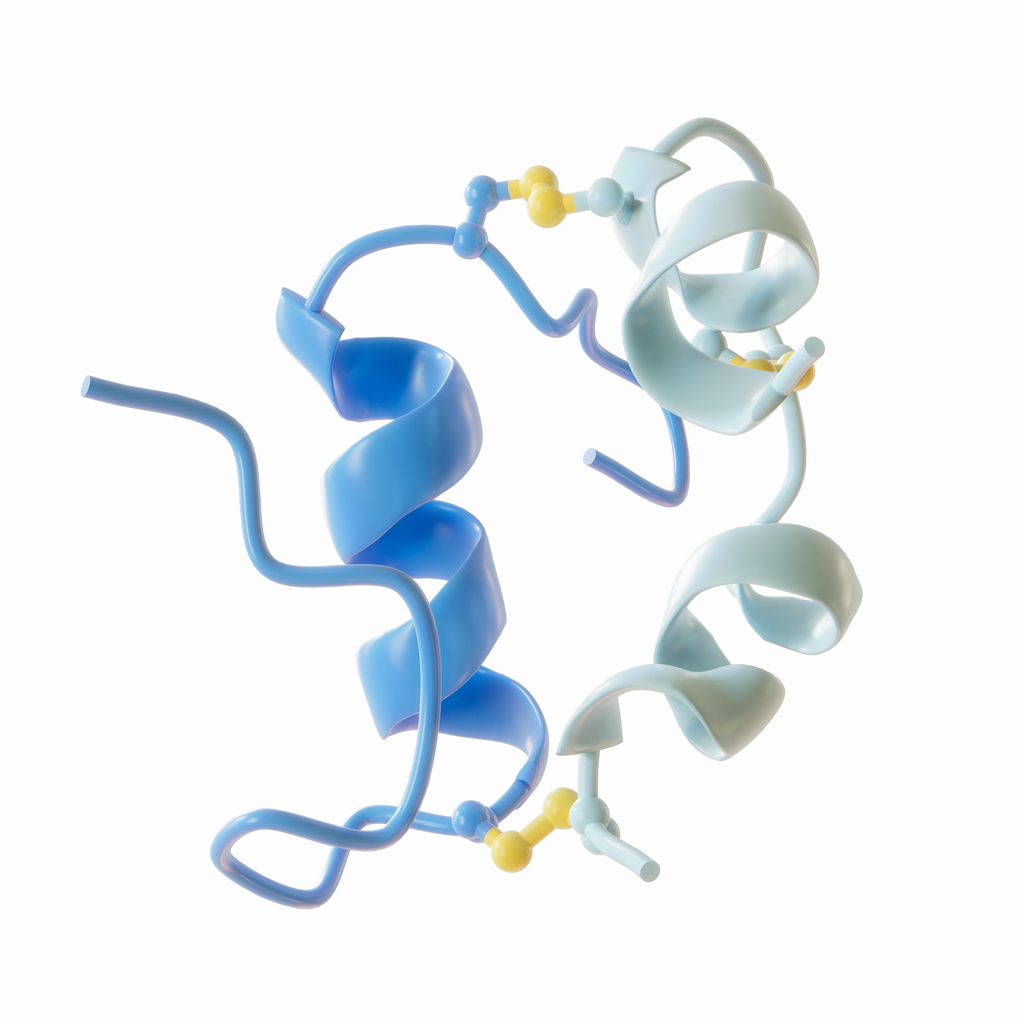
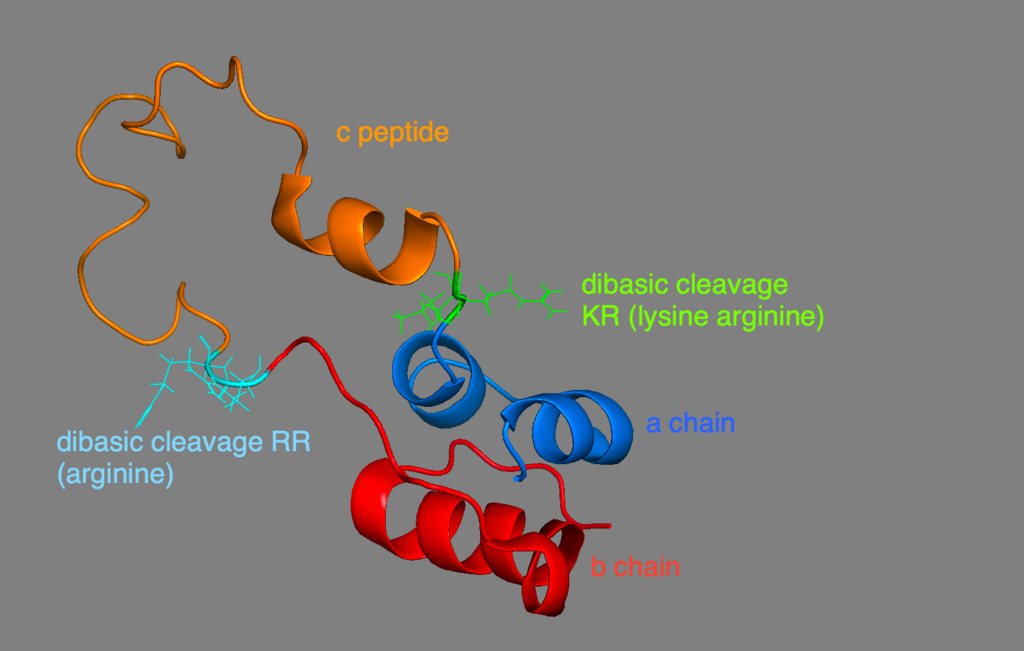
This messenger is made in specialized cells within your pancreas called beta cells. But it isn't created in its final form. It starts as a single, longer chain called proinsulin. Your body then snips out a middle section, leaving the A and B chains ready to get to work.
How Insulin Works
The main trigger for insulin release is a rise in blood glucose, which typically happens after you eat a meal rich in carbohydrates. As glucose floods your bloodstream, the beta cells in your pancreas sense this change and release their stored insulin.
Glucose is the primary regulator of insulin secretion.
Once in the bloodstream, insulin travels throughout your body, acting like a key. It binds to receptors on the surface of liver, fat, and muscle cells. This binding signals the cells to open their doors and let glucose in. Without insulin, glucose would be stuck in the blood, unable to enter the cells that need it for energy.
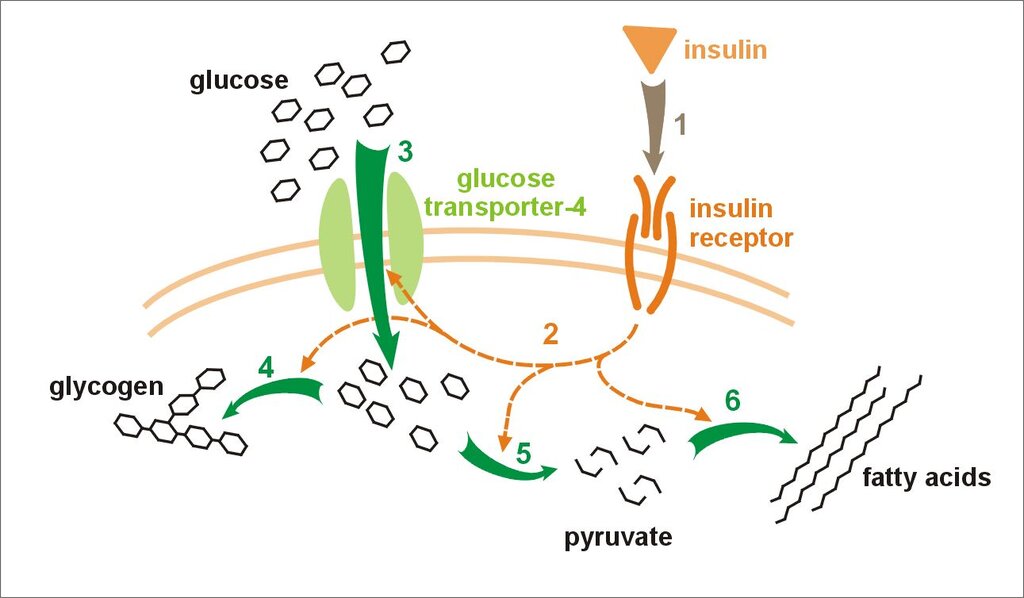
This process efficiently lowers your blood sugar back to a normal range.
More Than Just a Key
Insulin's job doesn't stop once glucose is inside the cell. It also tells the cells what to do with that energy. It's a master regulator of your metabolism.
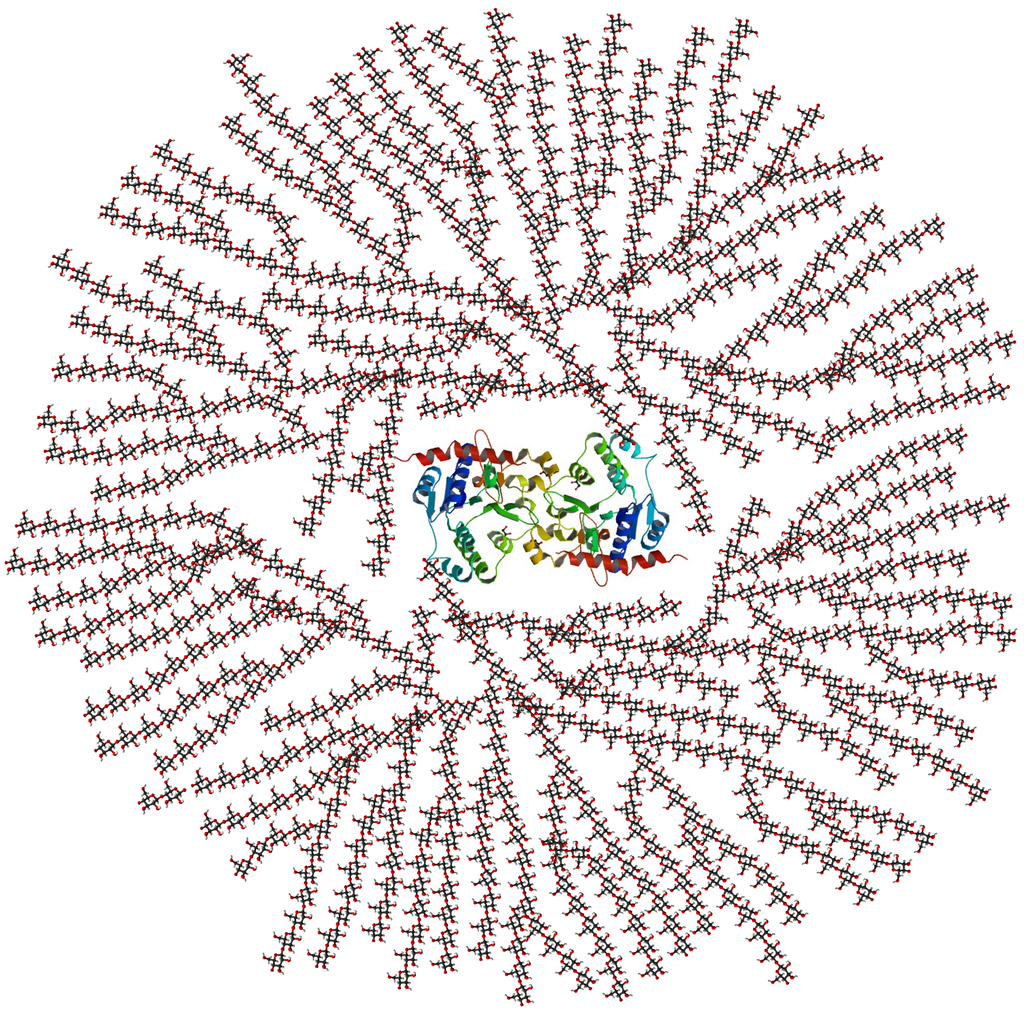
First, it promotes energy storage. In your liver and muscle cells, insulin signals the conversion of excess glucose into a storage molecule called glycogen. This is like putting extra cash in a savings account for later. When your blood sugar drops, your body can break down glycogen to release glucose.
Insulin also plays a major role in fat metabolism. When your glycogen stores are full, insulin directs your liver and fat cells to convert any remaining glucose into fatty acids, which are then stored as body fat. At the same time, it prevents the breakdown of fat that is already stored, ensuring that your body uses the readily available glucose first.
Finally, insulin influences protein synthesis. It encourages your cells, especially muscle cells, to absorb amino acids from the blood and use them to build new proteins. This anabolic, or building, effect is essential for growth and tissue repair.
In short, insulin tells your body to use the energy you've just consumed and store the rest for the future. It shifts your body from a state of breaking down resources to a state of building and saving them.
Now, let's check what you've learned.
What is the fundamental structure of an active insulin molecule?
Where in the body is insulin produced?
Understanding insulin's role is fundamental to understanding how our bodies manage energy from the food we eat.