Instructional Design Technology Fundamentals
Introduction to Instructional Design
What Is Instructional Design?
Instructional design is the practice of creating learning experiences that are effective, engaging, and appealing. Think of an instructional designer as an architect for learning. An architect doesn't just start building a house; they first analyze the needs of the family, the constraints of the land, and the desired outcome. They create a blueprint that considers everything from the foundation to the flow of traffic between rooms.
Similarly, instructional design is a systematic process. It involves analyzing who the learners are, defining the learning goals, and then crafting a clear path to get them there. The ultimate goal is to make learning more efficient and successful, ensuring that learners can acquire and apply new knowledge and skills.
Because instructional design considers learner needs, its primary goal is to make teaching more engaging, relevant and effective.
This process applies everywhere, from a corporate training module on new software to a university-level online course or a simple tutorial on how to bake bread. By focusing on the learner and the goals, instructional design turns a simple transfer of information into a genuine learning experience.
A Brief History
The roots of modern instructional design can be traced back to World War II. The military faced the enormous challenge of training a large number of soldiers for complex technical jobs quickly and consistently. This demand led to a more systematic, science-based approach to developing training materials.
After the war, these ideas began to filter into academic and corporate settings. Psychologists and educators started applying principles of learning theory to design instruction. By the 1970s, these efforts led to the creation of formal, step-by-step models.
The emergent model, Inter-service Procedures for Instructional Systems Development (IPISD) had five stages: Analysis, Design, Development, Implementation and Control and has been referenced as the origins of Instructional Design by historical reviews.
This early model laid the groundwork for many frameworks that followed, including the one most commonly used today.
Frameworks for Learning
To ensure a structured approach, instructional designers rely on models. These models provide a roadmap for the design process, helping to organize tasks and ensure no critical steps are missed. While many models exist, each with different strengths, most are built on the same core principles.
Stated differently, an instructional design model can be considered a framework to develop learning materials.
One model has become the bedrock for most learning professionals due to its simplicity, flexibility, and effectiveness. It's called the ADDIE model.
The ADDIE Model Explained
ADDIE is an acronym that stands for the five phases of the instructional design process: Analyze, Design, Develop, Implement, and Evaluate. While the steps are listed sequentially, the process is often cyclical, with insights from one phase informing and refining the others.
Let's break down what happens in each phase.
1. Analyze This is the discovery phase. Before you can build anything, you need to understand the problem you're trying to solve. Key questions include:
- Who are the learners? What do they already know?
- What is the desired learning outcome? What should learners be able to do after the instruction?
- What are the constraints? This could involve budget, timelines, or technology.
2. Design With a clear understanding of the goals, the design phase is where you create the blueprint for the learning experience. This is a crucial and creative stage.
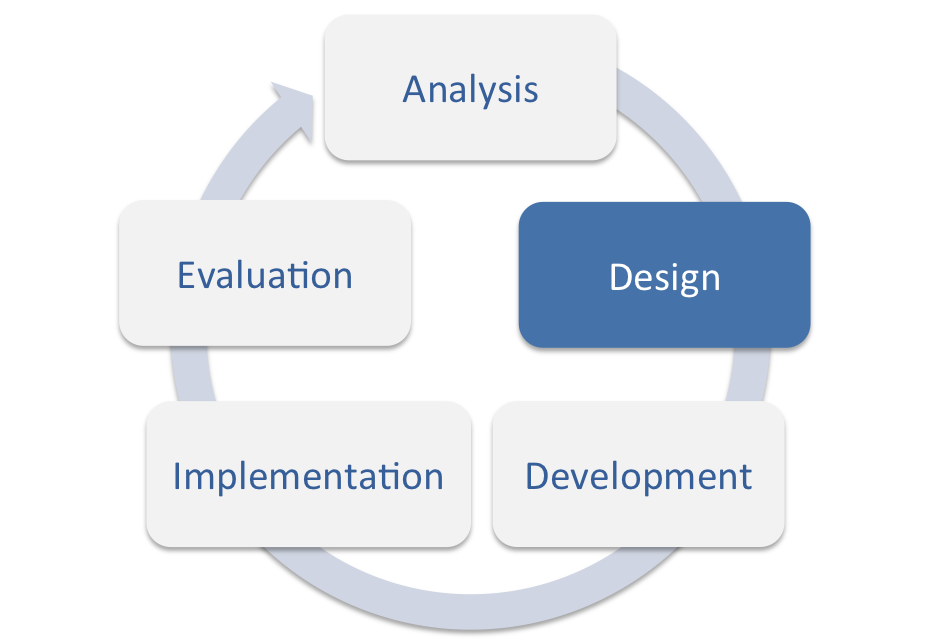
During this phase, the designer outlines learning objectives, chooses instructional strategies (like scenarios, lectures, or hands-on activities), writes a content outline, and plans how learning will be assessed.
3. Develop This is the production phase where the blueprint from the design stage comes to life. Instructional designers, often working with subject matter experts and media developers, create the actual course materials. This might involve writing text, recording videos, designing graphics, and building quizzes or interactive exercises.
4. Implement Now it's time to deliver the instruction to the learners. This could mean launching an online course, conducting a workshop, or distributing training manuals. This phase also involves preparing instructors and ensuring learners have access to all the necessary materials and support.
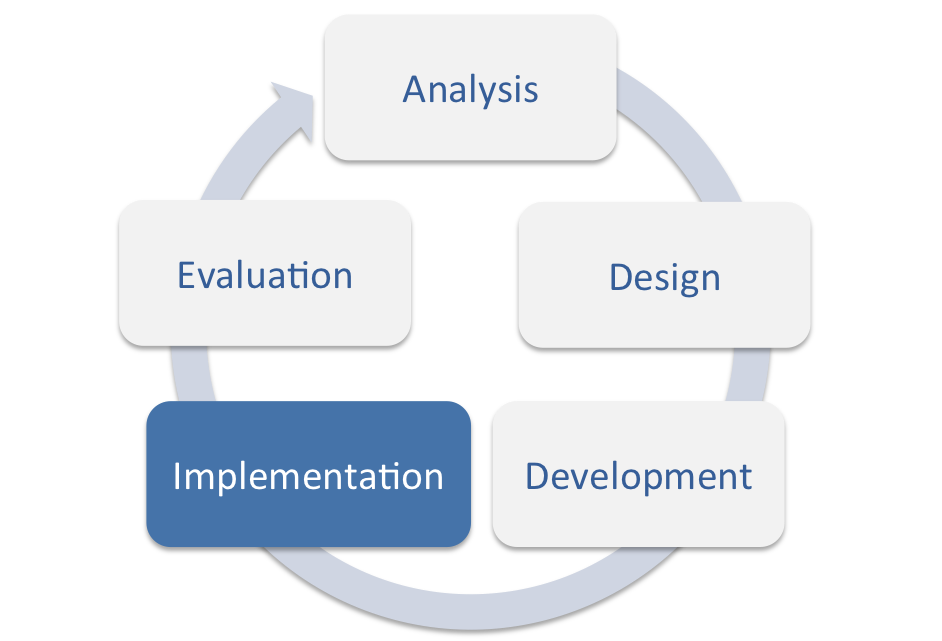
5. Evaluate The final phase focuses on determining if the instruction was successful. Evaluation happens at two levels. Formative evaluation is ongoing throughout the process, allowing for improvements along the way. Summative evaluation happens after implementation to measure whether the learning objectives were met.
Did learners acquire the intended skills? Was the experience engaging? What could be improved for next time? The answers to these questions feed back into the start of the cycle, making ADDIE an iterative process of continuous improvement.
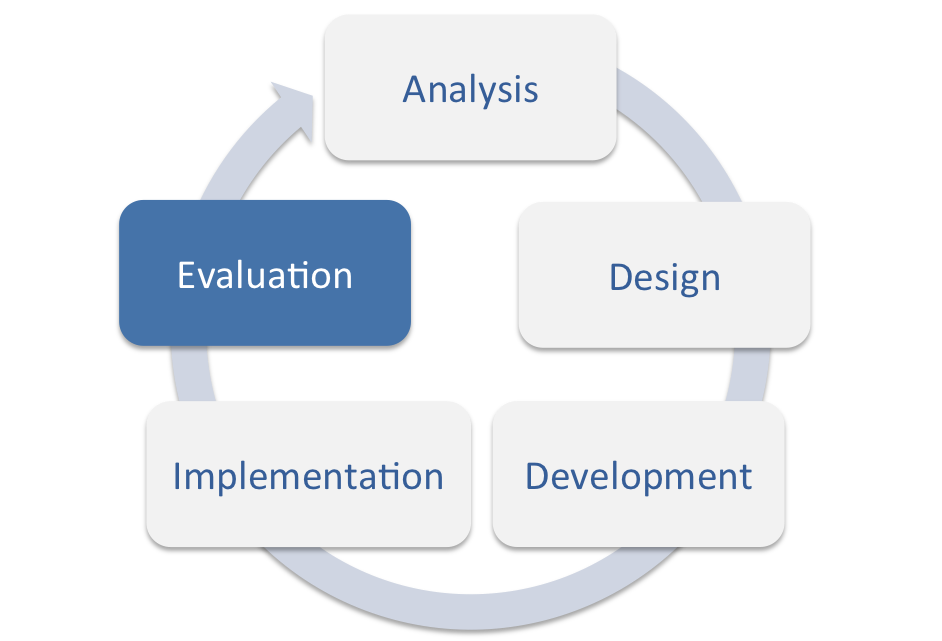
The power of ADDIE lies in its structured yet flexible approach. It provides a reliable framework that ensures all key aspects of creating a successful learning experience are considered.
Ready to check your understanding? Let's review the key concepts.
What is the primary goal of instructional design?
The systematic, science-based approach to instructional design has its roots in the challenges faced by which group?
Instructional design transforms how we learn by creating purposeful, clear, and engaging educational experiences. By using models like ADDIE, educators and trainers can move beyond simply presenting information and instead build paths that lead to meaningful understanding and skill development.