Instructional Design Fundamentals
Introduction to Instructional Design
What Is Instructional Design?
Instructional design is the art and science of creating effective learning experiences. Think of an instructional designer as an architect for learning. An architect doesn't just start stacking bricks; they first understand who will use the building, what activities will happen inside, and what the surrounding environment is like. Only then do they create a blueprint.
Similarly, an instructional designer doesn't just create a slideshow or a manual. They start by asking important questions: Who are the learners? What do they need to be able to do after the instruction? What is the best way to help them learn and retain that knowledge or skill? The goal is to make learning not just possible, but also efficient, engaging, and appealing.
The core purpose of instructional design is to identify a learning gap—the space between what someone knows and what they need to know—and create a solution to close it.
This process is used everywhere, from K-12 classrooms and university courses to corporate training programs for new software or safety procedures. Whether it's an online course, an in-person workshop, or a training manual, good instructional design is working behind the scenes to make the experience feel intuitive and impactful.
A Brief History
Instructional design as a formal field has its roots in World War II. The military needed to train a large number of soldiers quickly and effectively for complex technical tasks. Researchers were brought in to systematically analyze these tasks and create structured training materials. This approach was highly successful and laid the groundwork for a more scientific approach to instruction.
Over the decades, the field evolved. The rise of computers brought new tools for creating and delivering instruction, and psychological research offered deeper insights into how the human mind works. The focus shifted from simply delivering information to creating environments where learners could actively engage with and apply new concepts.
The Role of an Instructional Designer
So what does an instructional designer actually do? Their role is multifaceted, blending creativity with analysis. They are project managers, writers, researchers, and designers all in one.
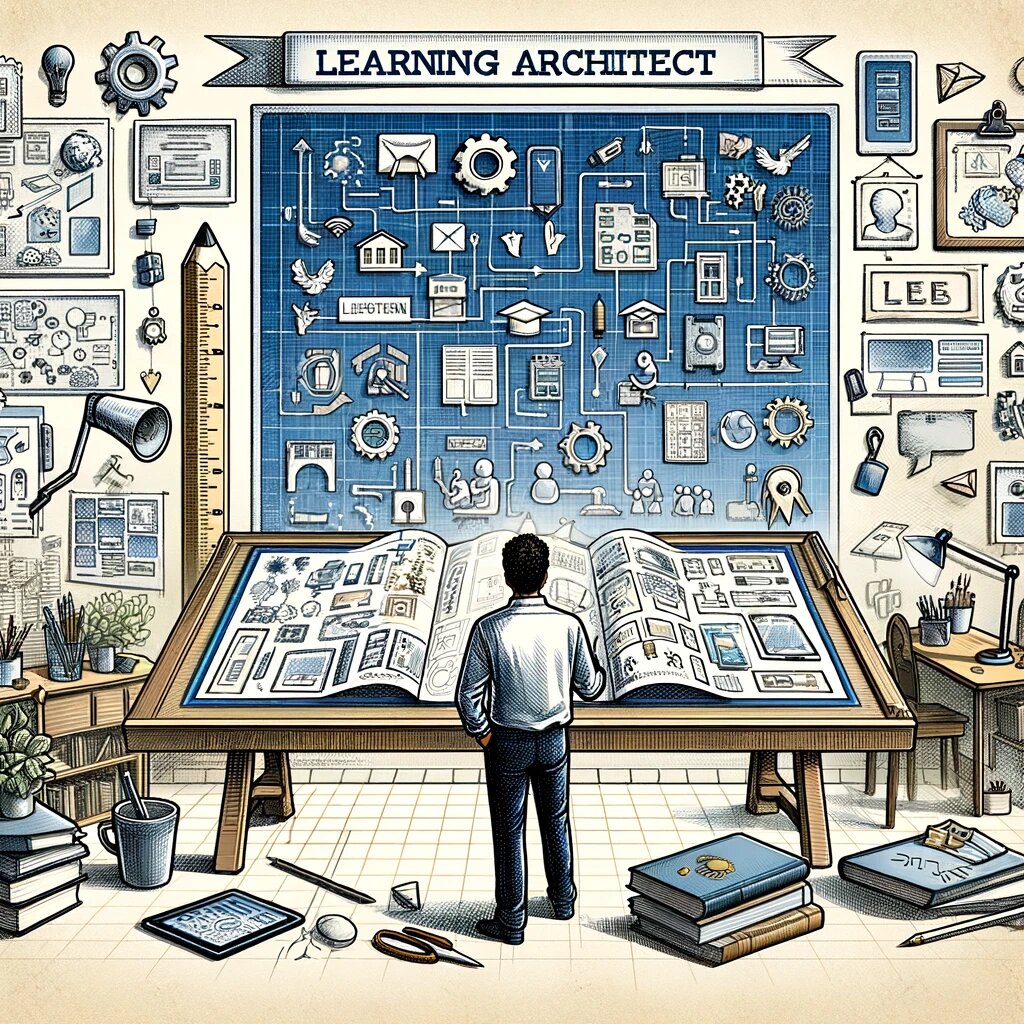
Key responsibilities often include:
- Analyzing Needs: Figuring out the learning goals and understanding the audience's existing knowledge and skills.
- Designing the Structure: Outlining the curriculum, defining clear learning objectives, and deciding on the instructional strategies.
- Developing Materials: Creating the actual content, which could be anything from videos and interactive exercises to manuals and job aids.
- Implementing the Instruction: Launching the course or training program.
- Evaluating Effectiveness: Using assessments and feedback to determine if the instruction actually worked and how it can be improved.
Theories That Guide the Work
Instructional design isn't based on guesswork. It's grounded in learning theories that explain how people acquire and process information. Understanding these theories helps designers make informed decisions. Let's look at three major ones.
Behaviorism
noun
Focuses on observable behaviors. It suggests that learning is a change in behavior resulting from a stimulus-response association made in the environment. Think repetition, feedback, and reinforcement.
In practice, behaviorism might look like a quiz with immediate feedback. You answer a question (stimulus), see if you're right or wrong (response), and adjust your understanding. This repetition reinforces the correct knowledge.
Cognitivism
noun
Views the mind as an information processor, like a computer. This theory is concerned with internal mental processes like thinking, memory, and problem-solving. It goes beyond just observable behavior.
Cognitivist strategies involve organizing information logically, using analogies to connect new ideas to existing knowledge, and breaking complex information into smaller, manageable chunks to avoid overloading a learner's working memory.
Constructivism
noun
Proposes that learners actively construct their own understanding and knowledge through experiences and interactions with the world. Learning is a social and contextual process, not a passive reception of information.
A constructivist approach might involve problem-based learning, where students work in groups to solve a real-world problem. They aren't given the answer; they build their knowledge through research, discussion, and experimentation.
| Theory | Focus | Learner's Role | Example Activity |
|---|---|---|---|
| Behaviorism | Observable behavior | Passive responder | Flashcards with immediate feedback |
| Cognitivism | Mental processes | Active information processor | Creating a concept map to organize ideas |
| Constructivism | Knowledge construction | Active creator of meaning | Group project to solve a case study |
Great instructional designers don't just stick to one theory. They pull from all of them, choosing the right strategy for the right learning goal and the right audience.
According to the "architect for learning" analogy, what is the first step an instructional designer should take?
A corporate training module that breaks a complex safety procedure into five smaller, sequential lessons is primarily applying principles from which learning theory?
By blending psychology, design, and technology, instructional design provides a systematic way to create learning that sticks.