Institutions and Living Standards
Defining Living Standards
The Quality of Life
When we talk about how well a country is doing, we often focus on money. But the full story is about people's day-to-day lives. This is the essence of 'living standards' – a measure of the overall quality of life experienced by the people in a country or region.
It goes beyond just wealth. Living standards look at the level of comfort, material goods, and necessities available to a community. It answers questions like: Are people healthy? Are they educated? Do they have access to things that make life safe and comfortable?
A country’s standard of living depends on its ability to produce goods and services
How We Measure Well-being
There isn't one single number that can capture the entire picture of a country's living standards. Instead, we look at a collection of indicators that, together, give us a clearer view. Think of it like a doctor checking your blood pressure, temperature, and heart rate to assess your overall health.
Here are some of the most common metrics used:
-
Income: Gross Domestic Product (GDP) per capita is a classic measure. It’s the total value of all goods and services produced in a country, divided by its population. It gives a rough idea of the average income per person. While useful, it’s just an average and can hide large gaps between the rich and poor.
-
Health: Life expectancy is a powerful indicator. It tells us the average age a person can expect to live to. A higher life expectancy usually points to better healthcare, nutrition, and sanitation.
-
Education: We often look at literacy rates (the percentage of people who can read and write) and the average number of years people spend in school. An educated population is generally more innovative and productive.
-
Access to Services: This includes basic necessities like access to clean drinking water, reliable electricity, and proper sanitation. Having these essentials is fundamental to a good quality of life.
| Metric | Higher Living Standards | Lower Living Standards |
|---|---|---|
| Life Expectancy | High (e.g., 80+ years) | Low (e.g., under 60 years) |
| Literacy Rate | Very high (e.g., 99%) | Lower (e.g., below 70%) |
| GDP per Capita | High (e.g., > $40,000) | Low (e.g., < $5,000) |
| Clean Water Access | Nearly universal | Limited for many |
Why It All Matters
Improving living standards is more than just a nice goal; it's a cornerstone of societal development. When people are healthy, educated, and have their basic needs met, they are better equipped to contribute to their communities and the economy.
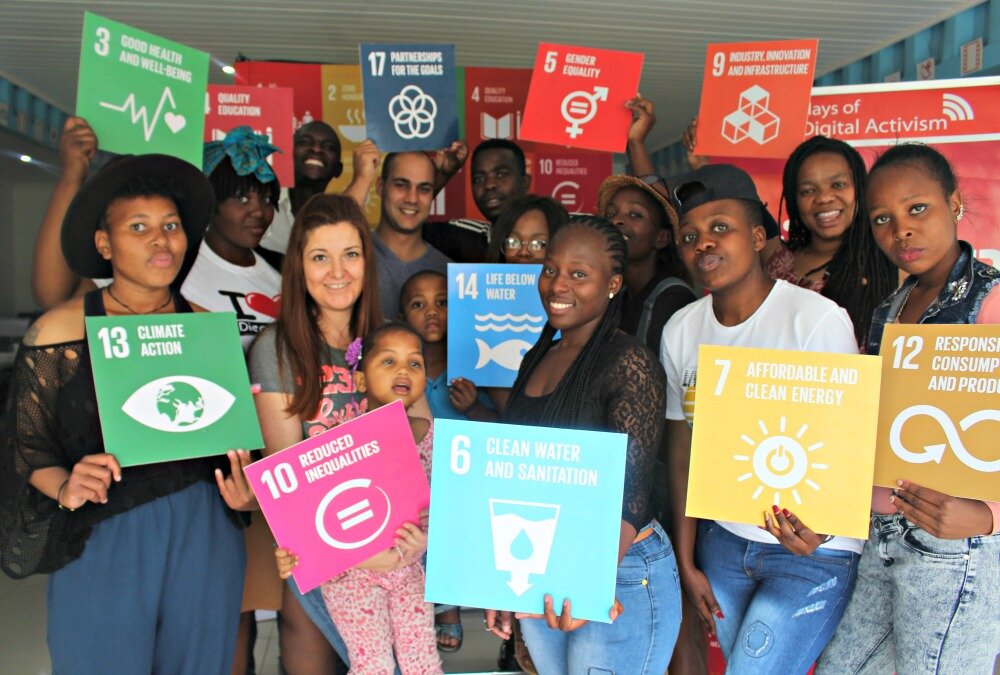
Think of it as a positive cycle. A healthier population works more effectively. An educated workforce drives innovation. When people don't have to worry about basic survival, they can create businesses, art, and new technologies. This progress, in turn, generates more resources that can be reinvested into better health, education, and infrastructure, lifting living standards even higher.
By focusing on living standards, we get a true measure of human progress. It shifts the focus from abstract economic numbers to the tangible well-being of people.
Ready to check your understanding?
What is the primary focus of 'living standards' as a measure of a country's progress?
Why is Gross Domestic Product (GDP) per capita considered an incomplete measure of living standards on its own?