Instant Wellness Boosts
Understanding Mental Well-being
More Than Just Feeling Okay
We often talk about mental health in terms of illness, like depression or anxiety. But that’s only half the picture. Mental well-being is about more than just the absence of a disorder. It’s a state of thriving, where you can handle life's stresses, realize your potential, and contribute to your community.
Think of it like physical fitness. You don’t have to be sick to decide you want to be healthier. Someone can be free of any diagnosed illness but still feel like they're just getting by, not truly flourishing. On the other hand, a person with a chronic mental health condition can still achieve a high level of overall well-being. The two exist on separate spectrums.
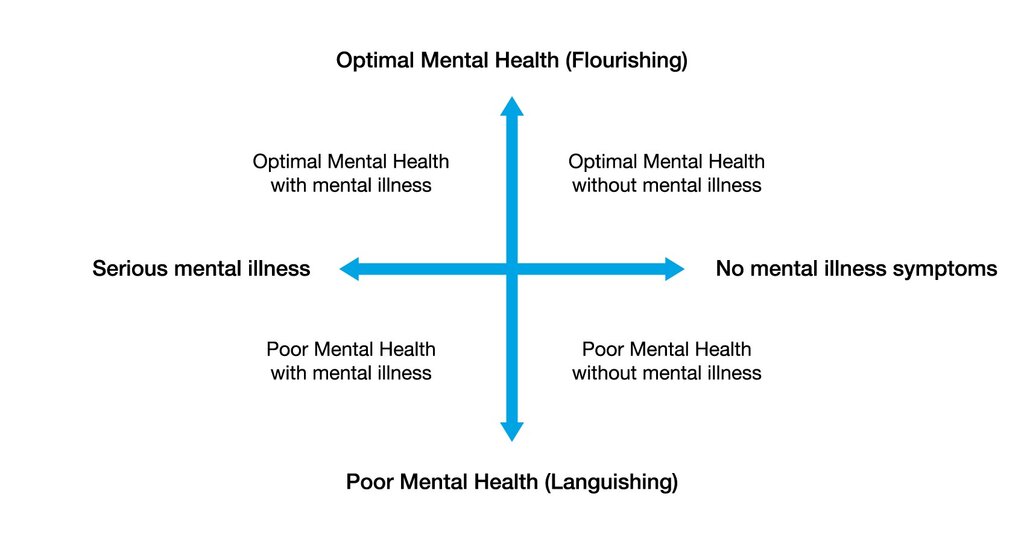
Mental well-being is a dynamic state. It’s not about being happy all the time, but about having the resilience to navigate the ups and downs of life. It forms the foundation for our emotions, thoughts, and social interactions.
The Three Pillars of Mental Health
Mental well-being isn't a single concept. It's built on three interconnected pillars: emotional, psychological, and social health. When these three areas are strong, they support a stable and fulfilling life.
Emotional health is about your awareness and ability to manage your emotions. It includes coping with stress in a healthy way, feeling good about yourself, and maintaining a generally positive outlook, even when things are tough. It's not about suppressing feelings, but understanding and processing them constructively.
Psychological health relates to your inner life and how you see yourself and the world. This includes having a sense of purpose and meaning, feeling good about who you are, and being open to new experiences. It's about personal growth and self-acceptance.
Social health involves your relationships and connections with other people. It’s about having a strong support network, feeling a sense of belonging, and contributing to your community. Humans are social creatures, and healthy relationships are vital for our well-being.
The Ripple Effect of Well-being
Your state of mental well-being affects nearly every aspect of your life. When you're mentally well, you're more productive at work or school, you build stronger relationships, and you can contribute more to your community.
Good mental well-being isn't a luxury; it's the foundation for a healthy and fulfilling life.
There's also a strong link between mental and physical health. Poor mental well-being can increase your risk for physical health problems like heart disease and a weakened immune system. Conversely, taking care of your physical health through good nutrition and exercise can have a powerful positive impact on your mental state.
What Shapes Our Mental Health?
Our mental well-being isn’t fixed. It's influenced by a mix of biological factors (like genetics and brain chemistry) and our environment and experiences. While some factors are out of our control, many are things we can shape. Key influencers include stress, lifestyle, and our social connections.
| Factor | Negative Influence | Positive Influence |
|---|---|---|
| Stress | Chronic stress wears down resilience | Managed stress can build coping skills |
| Lifestyle | Poor sleep, diet, lack of exercise | Quality sleep, nutrition, physical activity |
| Social Connections | Isolation and loneliness | Strong support network, sense of belonging |
Chronic stress, in particular, can be damaging. It keeps your body in a constant state of high alert, which can deplete your mental and physical resources over time. Lifestyle choices also play a huge role. Things like getting enough sleep, eating nutritious food, and moving your body are fundamental to a healthy mind.
Finally, the quality of our relationships is crucial. Feeling connected to and valued by others provides a buffer against life's challenges. Loneliness and social isolation, on the other hand, are significant risk factors for poor mental health.
Understanding these core concepts is the first step. By recognizing what mental well-being is and what influences it, you can begin to more intentionally cultivate it in your own life.