Installing Microsoft Project for Free
Understanding Software Licensing
The Rules of the Code
When you buy a physical object, like a chair or a book, you own it. You can paint it, lend it to a friend, or take it apart to see how it’s made. Software is different. When you acquire software, you're not buying the software itself, but rather a license to use it according to a specific set of rules.
License
noun
A legal document governing the use or redistribution of software.
Think of a software license as a contract between you and the software’s creator. This contract, often called an End-User License Agreement (EULA), lays out exactly what you can and cannot do. Can you install it on multiple computers? Can you share it with others? Can you change its code? The license has the answers. Its main purpose is to protect the intellectual property of the creators, ensuring they get credit and compensation for their work.
The Two Main Flavors
Software licenses generally fall into two broad categories: proprietary and open-source. They represent two very different philosophies about how software should be shared and used.
Proprietary software is like a car with the hood welded shut. You can drive it, but you can't look at the engine or try to modify it.
With proprietary software, the source code—the human-readable instructions that make the program work—is a trade secret. The company that created it owns the code and doesn't share it. Your license gives you permission to use the compiled program, but not to copy, modify, or redistribute it. This is the model used for most commercial software, like Microsoft Windows and Adobe Photoshop. The EULA you click “Agree” on is the binding contract that enforces these restrictions.
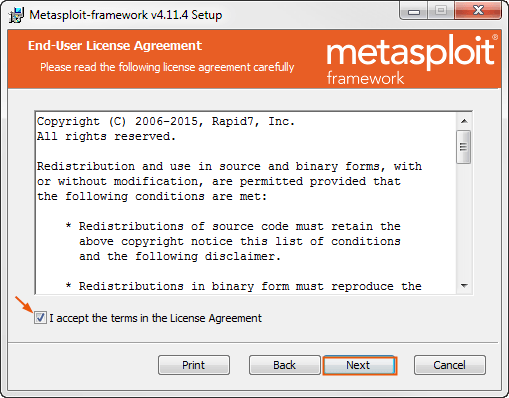
Open-source software takes the opposite approach. The source code is made publicly available. The license is designed to encourage collaboration and sharing. It grants users the right to not only use the software but also to inspect, modify, and distribute the source code.
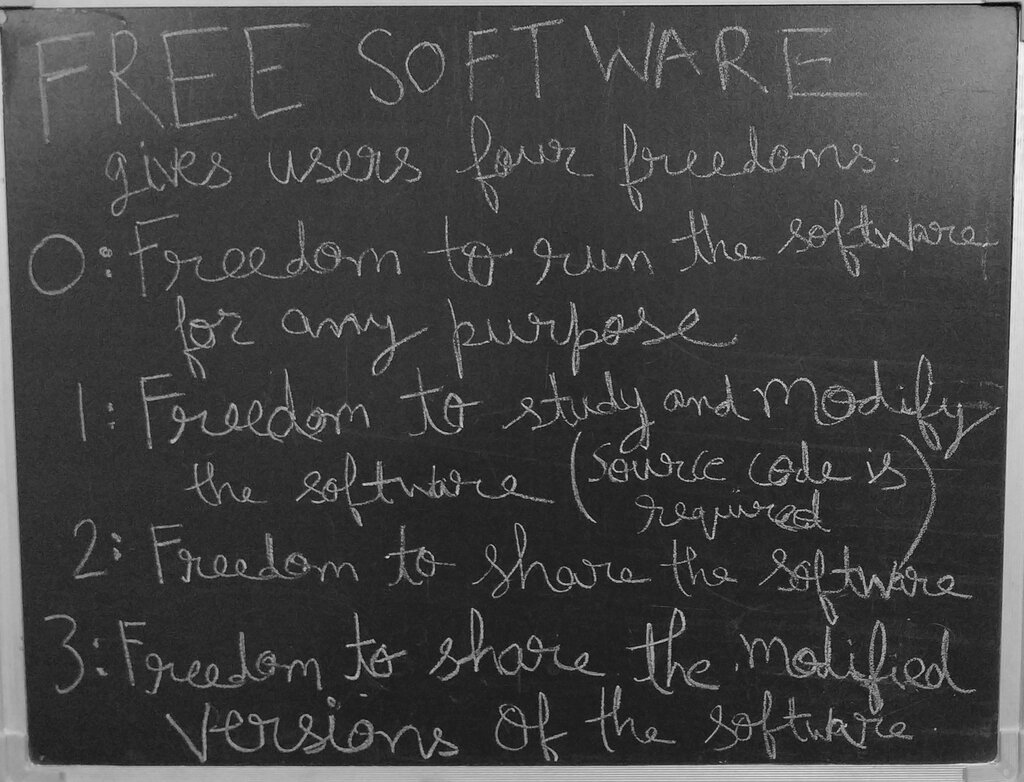
This doesn't mean it's a free-for-all. Open-source licenses still have rules. Some, known as permissive licenses (like MIT or Apache), let you do almost anything you want with the code, as long as you give credit to the original creators. Others, called copyleft licenses (like the GNU General Public License, or GPL), have a key requirement: if you modify the code and distribute your own version, you must release your new version under the same copyleft license. This ensures the software remains open and free for everyone down the line.
Laws and Consequences
Software licenses are not just suggestions; they are legally enforceable contracts. They are built upon the foundation of copyright law, which protects original works of authorship, including computer programs. When you install a piece of software, you agree to the terms of the license. Violating those terms is a breach of contract and, in many cases, copyright infringement.
Understanding enforcement mechanisms, fair use limitations, and proper licensing is crucial to mitigate these risks and ensure compliance with copyright law.
What happens if you break the rules? The consequences can be significant. For an individual, it might mean having your license revoked. For a business, it can lead to legal action, including lawsuits and substantial fines. Using unlicensed software, or more copies than you have licenses for, is often referred to as software piracy. Companies like the Business Software Alliance (BSA) actively audit organizations to check for compliance, and the penalties for infringement can reach hundreds of thousands of dollars or more, depending on the scale of the violation.
Adhering to software licenses isn't just about avoiding legal trouble. It's about respecting the work of developers and ensuring a fair and sustainable software ecosystem for everyone.