Installing Curtain Tracks on Curved Ceilings
Planning and Measurement
Dealing with Coved Ceilings
Some rooms don't have a sharp 90-degree angle where the walls meet the ceiling. Instead, they have a gentle, rounded curve. This is called a coved ceiling. It’s an elegant architectural feature, but it creates a challenge for installing ceiling-mounted curtain tracks.
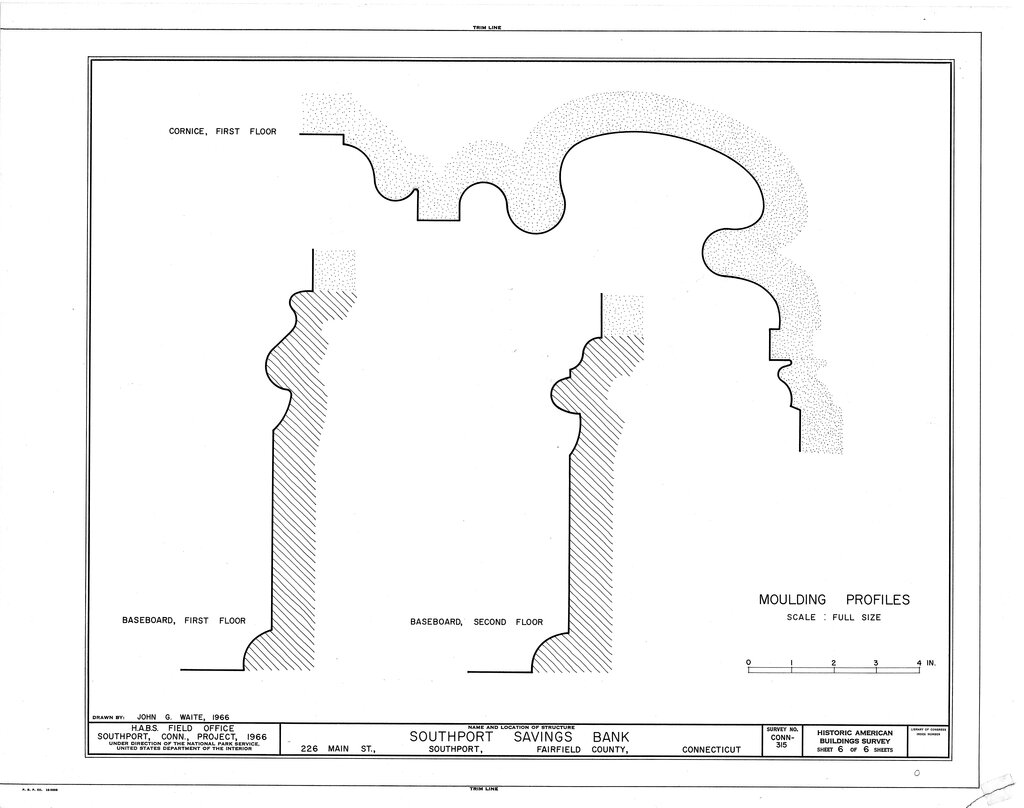
If you mount the track too close to the wall, your curtains will bump into this curve. They won't hang straight down as they should. Instead, they’ll bunch up awkwardly at the top. The key is to find the exact spot where the curve ends and the completely flat part of the ceiling begins.
Finding the Flat Zone
To get a professional result, you need to determine the right amount of clearance. This is the gap between the wall and your curtain track. To visualize how your curtains will hang, you can use a simple but perfect tool: a s. It’s just a string with a weight at the end. Gravity ensures it hangs perfectly vertical, showing you exactly where your fabric will fall.
Your goal is to install the track far enough from the wall that the curtain hangs freely, completely missing the cove.
Here’s how to measure for that clearance:
- Hold one end of a measuring tape flat against the wall, right where the curve begins.
- Extend the tape measure horizontally across the ceiling.
- Look for the point where the ceiling becomes perfectly flat. This marks the end of the cove's radius. The measurement from the wall to this point is the minimum clearance you'll need.
For example, if the curve extends 3 inches out onto the ceiling, your track must be installed at least 3 inches away from the wall. It’s wise to add a little extra space, perhaps another half-inch, just to be safe. This ensures your curtains have ample room and don't drag against the wall or the cove.
Marking Your Line
Once you've determined your final clearance measurement (the cove radius plus your extra half-inch), you need to mark a guideline on the ceiling. This line will show you exactly where to install the track.
Measure out from the wall at several points along the length of the window or wall where the curtains will be. Make a small pencil mark at each point. Then, use a straightedge, like a yardstick or a level, to connect the dots. This gives you a perfectly parallel line to the wall.
Use a plumb line, level, or laser to mark a vertical guideline before hanging the first strip.
Double-check your measurements before you commit to the line. Taking the time to plan and measure correctly is the most important step. It's the foundation for a flawless curtain installation that will look clean and professional.
What is the primary challenge when installing a ceiling-mounted curtain track on a coved ceiling?
How do you determine the minimum clearance needed for a curtain track on a coved ceiling?
With your ceiling measured and marked, you're ready for the next phase: installing the hardware.