Install a Third-Party Car Camera
Understanding Dash Cams
Your Silent Witness on the Road
A dash cam, short for dashboard camera, is a small video camera that mounts to your car's windshield or dashboard. Its job is simple: to continuously record video of the road ahead, and sometimes behind or inside the vehicle. Think of it as an impartial witness that's always on duty while you drive.
The primary benefit is having a video record of any traffic incidents. If you're in an accident that isn't your fault, dash cam footage can be invaluable evidence for insurance claims or legal proceedings. It can help prove what really happened, protecting you from false accusations and potential fraud.
Beyond accidents, these cameras can also enhance security. Some models have a "parking mode" that starts recording if it detects motion or an impact while your car is parked, potentially capturing evidence of theft, vandalism, or a hit-and-run.
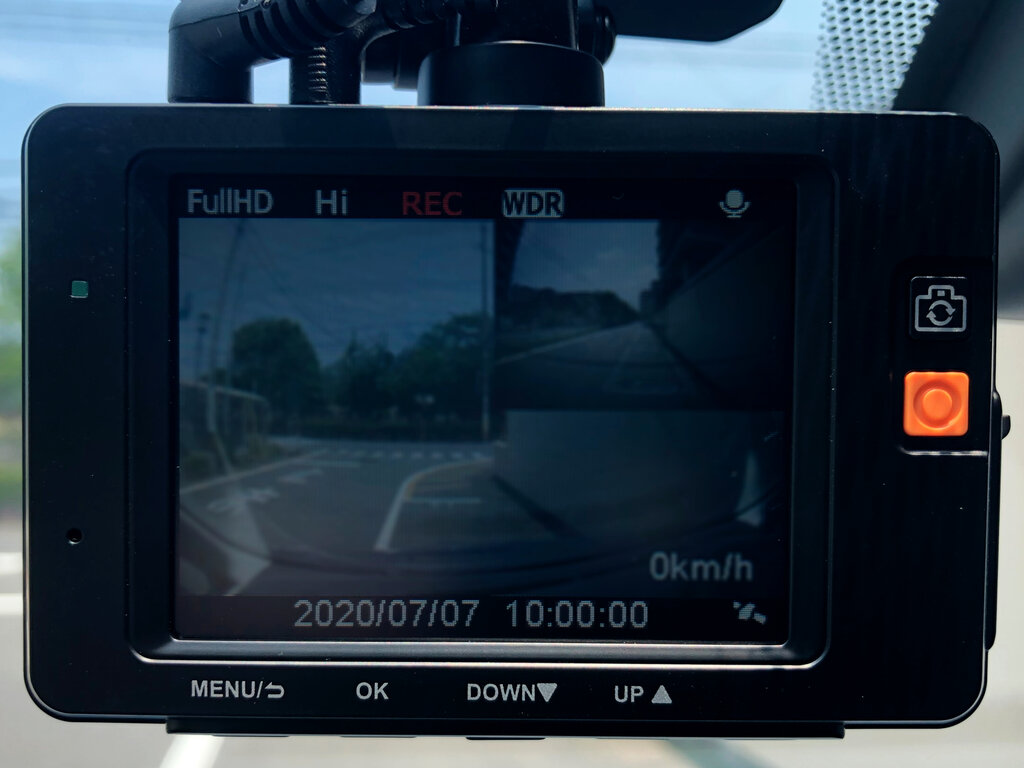
Types of Dash Cams
Dash cams come in a few main configurations, each offering a different level of coverage.
Single-Channel: This is the most basic and common type. It has one forward-facing lens and records only the view through your front windshield.
Dual-Channel: This setup includes two cameras: one for the front and one for the rear of your car. It gives you a much more complete picture of events, recording what happens in front of you and behind you simultaneously. This is especially useful for rear-end collisions.
Multi-Channel: For the most comprehensive coverage, multi-channel systems use three or more cameras. They typically record the front, the rear, and the interior of the car. These systems are popular with rideshare and taxi drivers who want to record interactions with passengers for safety and liability reasons.
Key Features to Consider
When evaluating dash cams, a few key features determine their performance and usability.
| Feature | Importance |
|---|---|
| Resolution | Higher resolution (e.g., 1080p, 1440p, or 4K) provides clearer video, making it easier to read license plates and see details. |
| Field of View | A wider angle (e.g., 140-170 degrees) captures more of the scene, including adjacent lanes and sidewalks. |
| Night Vision | Crucial for recording in low-light conditions. Look for features like Wide Dynamic Range (WDR) that help balance light and dark areas. |
| Storage | Video is stored on a microSD card. The camera records in a loop, overwriting the oldest files when the card is full. A larger card holds more footage. |
Legal and Privacy Notes
While dash cams are legal in most places, the specifics can vary significantly by country, state, or province. It's your responsibility to understand the laws where you live and drive.
Some jurisdictions have rules about where on the windshield you can mount a device to avoid obstructing the driver's view. More importantly, there are often strict laws regarding audio recording. In many places, it's illegal to record a conversation without the consent of all parties involved. For this reason, many drivers choose to disable audio recording on their dash cams to avoid privacy violations.
Always check local regulations on both video and audio recording before installing and using a dash cam.
These small cameras offer a powerful combination of security and accountability on the road. By understanding the different types and features, you can decide if adding one to your vehicle is the right choice for you.